 22 Apr 2026
Tags: great keppel Island, Capricorn Coast, First Nations, Woppaburra, Southern Great Barrier Reef

A groundbreaking environmental and cultural restoration project on Great Keppel Island (Woppa) is turning heads, combining ecological science with First Nations storytelling in what is believed to be a first-of-its-kind initiative in Australia.
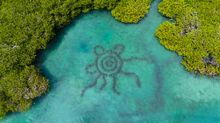
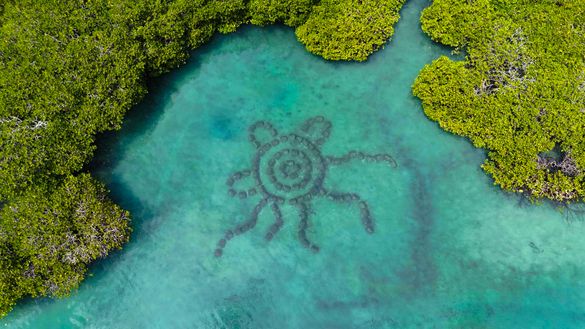
Located at Balban Dara Guya (Leeke’s Creek), the innovative oyster reef installation doubles as a large-scale cultural artwork, reflecting the movement, gathering places and deep connection of the Woppaburra people to their Land and Sea Country.
As part of the broader Restoration for Balban Dara Guya and Putney Beach Project, the initiative is restoring 77 hectares of mangroves, salt marsh and shellfish reef ecosystems, strengthening biodiversity while preserving cultural heritage.
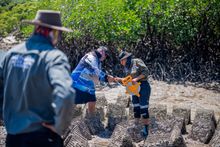
The project is a partnership between Woppaburra TUMRA Aboriginal Corporation and Ecosure. Along with sub-contractors CQUniversity and Ozfish, the project brings together Traditional Owners, scientists and Indigenous land and sea ranger groups in a powerful example of collaboration and co-stewardship.
Woppaburra Operations Manager Dr Sonny Van Issum said the restoration goes far beyond environmental outcomes, reconnecting culture, community and Country.
“Waku (oysters) hold deep cultural significance for our people.”
“This project is about bringing them back—not only as a food source, but to rebuild traditional practices, strengthen culture and ensure these connections continue for future generations,” Dr Van Issum said.
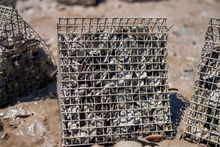
Using up to 100 specially designed oyster reef baskets made from recycled shells, the installation will improve water quality, create habitat for marine life and help protect coastlines, while naturally regenerating shellfish populations.
The oyster reef’s design, created by Woppaburra artist Debra Witteman, has been carefully mapped to align with natural systems and cultural narratives, blending ancient knowledge with modern technology.
Capricorn Enterprise CEO Mary Carroll said the project highlights the Capricorn Coast’s leadership in sustainable tourism and environmental stewardship.
“This is an extraordinary example of how culture, conservation and innovation can come together to create something truly unique.”
“Projects like this not only protect and restore our natural environment, but they also offer powerful, authentic stories that connect visitors to the depth of our region’s heritage,” Mary said.
“The Capricorn Coast continues to position itself as an ECO Certified destination, and initiatives like this reinforce our commitment to working alongside Traditional Owners to protect what makes this region so special.”
Supported by the Federal and State Governments and multiple regional partners, the project is expected to deliver long-term environmental, cultural and economic benefits, including employment opportunities and ongoing care of Country by Indigenous ranger groups.
As the reef establishes, it will stand as both a living ecosystem and a lasting symbol of cultural resilience—demonstrating how Traditional Ecological Knowledge and contemporary science can work together to heal Country.
Getting there and experiencing the reef
Visitors to Great Keppel Island can explore the surrounding coastline and waterways via GKI Boat Hire, offering a range of easy-to-operate vessels ideal for self-guided discovery. To experience the marine environment up close, snorkelling equipment is available for hire through Keppel Dive and Water Sports, giving visitors the opportunity to engage with the reef responsibly while learning more about the importance of protecting these fragile ecosystems.
#visitcapricorn #southerngreatbarrierreef