 02 Jun 2017

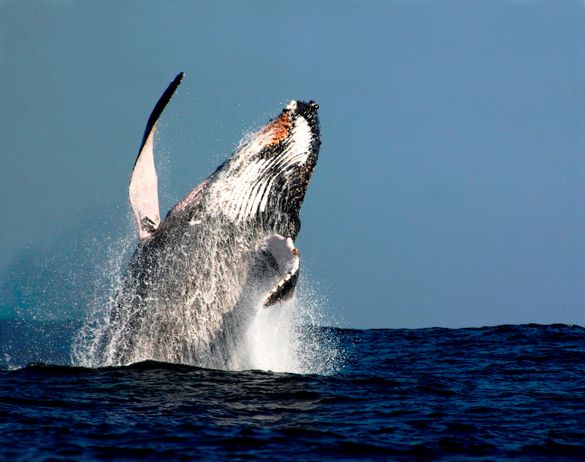
Whale watching season has kicked off in Sydney with the northern migration well under way. There has been sightings everyday since we started our season on 18th May with a varying array of activity from the humpbacks. Double breaches, tail throws have been seen by juveniles, sub adults and mature adults all within approximately 2 miles of land.
The east coast off Sydney has become known as “the humpback highway” amongst the local operators and this year is shaping to be awesome as always. The migration of the southern hemisphere whale population is one of the great migrations of the world, with an expected 22,000 plus whales migrating past Sydney alone this year. Unbelievable conservation effort from varying supporters and groups around the world have helped make this happen, Great work.
They will travel over 10,000kms in total and they do this to mate and give birth in the warmer waters of Northern Australia.
The juveniles and younger whales will be the first to depart for the trip north followed by adult breeding animals whilst the pregnant mothers and last year's mother and calf's will leave last as they need to stock up on the food as well as conserve for the return journey.
An interesting fact is that they will rarely eat along the whole journey. Prior to them leaving the icy waters of the Antarctic they will feed on enormous amounts of krill to build their energy supplies and blubber. They have been known to eat should it be an “opportune feed” where a school of small marine life may present itself and it may be too good to refuse for some, however most tend just to keep migrating.
During the middle stage of the northern migration we get to see what is called a “competition pod” this is when a group of males begin competing for a females attention. The males will form a pod of 2 or more and the action can really start. They will push each other, head slap another, all in an attempt to gain the attention of a female whale who is probably really only minding her own business however she is emitting hormones that the males can sense. The competition pods can go on for varying amounts of time and part of the reason they are great to watch is nearly the whole time they are competing is spent on the surface because as they are using a lot of energy, this means they have to breathe more, hence the surface activity, really exciting to watch.
Humpback whales are the most common whale we see on the east coast getting up to a maximum 16 metres, however there are other species like Minke, Southern right, these 2 species can be a bit shy and harder to spot however on the right day can be great watching and then the mighty Blue whale which has been known to get over 29 metres in length and weigh over 140,000kg, HUGE. Experts have said that the main artery/veins of a blue whale are big enough for a small child to fit through.
Wherever you are in Australia if you get a chance to see a whale just enjoy it, and that goes for any of Australia's unique and awesome wildlife no matter where your travels and adventures take you.