10 May 2017
Tags: birdwatching, birds, Victoria, #Victoria, Australia, Twitchers, Parks Victoria

With such a diverse range of spectacular natural habitats spread across more than 4 million hectares of coastal, wetland, forest, alpine, desert and marine parks, it's no wonder Victoria has a reputation as one of the best destinations in the world for birdwatching.
Australia has over 800 species of birds and more than half of them are found in Victoria. Birdwatchers from all over the world are taking advantage of Victoria's immense diversity and easy accessibility where they can see a high number of bird species representing several different ecosystems in a relatively small area and all easily reached from Victoria's capital city, Melbourne. It's not unusual for birdwatchers to see big lists of 100 or more unique bird species within a week as they tour the state.
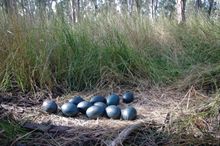
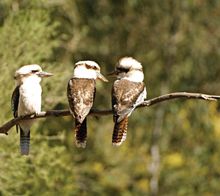
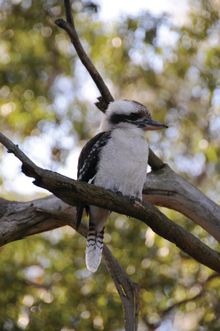
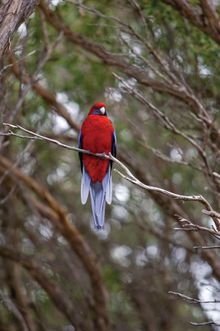
Many iconic Australian birds such as the Emu, Sulphur Crested Cockatoo, Crimson Rosella, Laughing Kookaburra and the Superb Fairy-wren are viewable year round in many locations throughout Victoria and cannot be seen in the wild anywhere outside of Australia.
Our top picks for birdwatching:
The Mallee
Spring is the best time of year to visit desert habitat Mallee parks such as Hattah-Kulkyne National Park, Murray Sunset National Park and Wyperfield National Park where amazing parrot species can be seen including the Mallee Ringneck, Mulga Parrot, Regent Parrot, Major Mitchell's Cockatoo and the difficult to find Black-eared Miner.
Completely flat and very low-lying, the Mallee takes its name from a small, multi-stemmed eucalypt. The blanket of sandy soil which characterises the Mallee, has created a gentle scenery and superficially simple landscape that hides a diverse ecosystem.
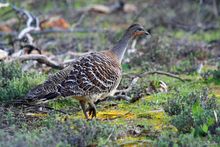
Mallee parks are also home to Malleefowl which are the only megapode in the world that has adapted to an arid environment.
Gippsland Lakes
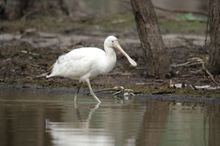
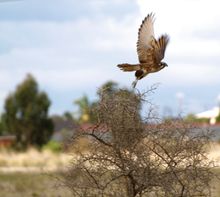
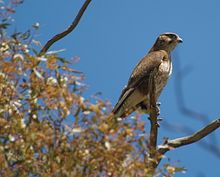
One of Victoria's many wetland highlights is the Sale Common Nature Conservation Reserve which forms part of the Bataluk Cultural Trail. It boasts over 300ha of Ramsar listed freshwater wetland, a large network of trails and boardwalks with an extensive variety of birdlife, insects and amphibians. Be on the lookout for Whistling Kite, Swamp Harrier, White-bellied Sea Eagle, Spoonbills, Herons, Coots, Swans, Cormorants, Ibis and numerous migratory birds.
The tranquil Gippsland Lakes are a system of coastal lagoons separated from the Tasman Sea by the dunes of Ninety Mile Beach. Seven rivers terminate at the lakes creating a spectacular series of freshwater wetlands which provide habitat for over 20,000 waterbirds some travelling from as far as Siberia and Alaska.
Upper Murray and Northern Victoria
The headwaters of the Murray River flow from the river's source in the Australian Alps to Corowa for around 2,508km and features varied terrain. The upper reaches of the Murray extend from the gently undulating farming land of the Albury District, through rugged, timbered, hill and mountain country to the alpine grasslands of the Snowy Mountains. The forests and waterways of the Upper Murray create some of the best birdwatching opportunities in the country.
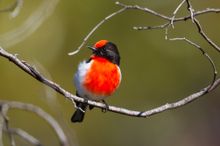
Victoria's Box-Ironbark forests are home to the Red-capped Robin, Turquoise Parrot and Swift Parrot which are best viewed in Winter or Spring in Warby-Ovens National Park and Chiltern-Mount Pilot National Park. The more experienced birdwatcher will relish the challenge of spotting a Regent Honeyeater, Specked Warbler or even a Diamond Firetail.
Dandenong Ranges, Yarra Valley and surrounds
Birds such as the Australian Superb Lyrebird, one of the world's largest songbirds and renowned for its elegant tail feathers, prefer wet forest habitats such as those of the Yarra Valley. The Yarra Valley is the name given to the region surrounding the Yarra River which originates about 90km east of the Melbourne CBD and flows towards and then through it. Cradling the Yarra River headwaters and much of Melbourne's water catchment the Yarra Valley is a mosaic of green, from heathland on river plains to Mountain Ash forest covering steep slopes on the nearby ranges.
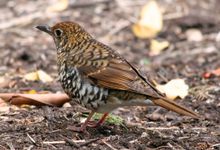
Visit Dandenong Ranges National Park, Kinglake National Park or Bunyip State Park to catch a glimpse of this greatest of all mimics. These parks are also popular for other wet forest birds such as the Yellow-tailed Black Cockatoo, Gang Gang Cockatoo, Pink Robin, Pilotbird, Powerful Owl, Sooty Owl and Bassian Thrush.
Over 18% of the State of Victoria's land mass is protected within a diverse network of parks, reserves and waterways, providing vital habitat for wildlife.
For more information on Victoria's spectacular parks and waterways call Parks Victoria on 13 1963 or visit www.parks.vic.gov.au