05 May 2020

Click Here for Yukon All Seasons Video
The Yukon, situated in the upper Northwest corner of Canada, next to Alaska, is Canada's most accessible northern destination. As one of North America's most undiscovered areas – 80 percent remains pristine wilderness – each season offers a completely different and 'out of this world' experience for visitors.
Golden colours in the autumn transform into the snowy, aurora filled winter wonderland. Spring is enthralling, blooming with birds and bear cubs. In the summer, the Yukon becomes the ultimate adventurers' playground under the glorious Midnight Sun. There is always a perfect time to #ExploreYukon.
Whilst visitors cannot travel to the Yukon right now, the territory is patiently waiting to welcome visitors in the upcoming months. Here's some travel inspiration through the Yukon's ever changing seasons:
Autumn:
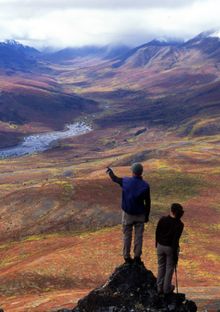
Autumn in the Yukon only lasts two short months from September to October, but during this time a lot happens. A herd of caribou, over 160,000 strong, undertake the longest land-migration route of any land mammal on Earth. The landscape changes from green to orange, yellow and red, and hibernating animals ready themselves for bed.
The air becomes crisp and the nights longer, ushering in the start of the aurora borealis (northern lights) season. Yukoners know that autumn can be the best time of year for viewing this spectacular phenomenon and there is an abundance of aurora viewing tours available for visitors. Spend crisp days strolling Whitehorse's riverside trails wrapped in fall colour, take a scenic day trip to Carcross or to Haines Junction, visit fascinating heritage museums and landmarks, and taste local cuisine.
Click here for videos of the Yukon in autumn
Winter:
Winter is the longest season, spanning five months from November until the end of March, and there is a plethora of thrilling activities for adventurers to experience. For some, it is breathing in the white-clad beauty. Others hear the absolute silence. Some demand the physical challenges. Others exalt in the Northern Lights.
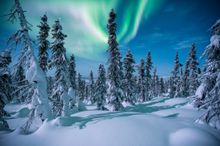
From November to April, snow turns the Yukon into a winter wonderland and the low-light winters make for exceptional viewing of the aurora borealis. This phenomenon appears like undulating ribbons of green, blue and red light. Visitors can stay in remote lodges and wait for the greatest light show on earth from the comfort of their cabins, or join various aurora viewing tours including an aurora hunting excursion.
Visitors can dogsled like gold prospectors did during the 1890s Gold Rush. Other activities include snowmobiling, ice-fishing and snowshoeing.
Click here for videos of the Yukon in winter
Spring:
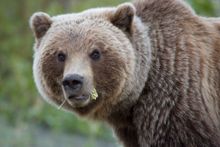
Spring may be short, but in April and May, life in the Yukon starts to bloom. Prairie Crocuses erupt with colour, millions of migratory birds fly into town, and bear cubs emerge groggily from their dens to explore the world—not unlike a few of the locals do.
For humans, on the other hand, the weather at the beginning of spring is still a chilly 7°C on average, so whatever activities are being planned, plan them with hats, gloves and coats still in mind. Once the sun's high in the sky again and the towns have thawed out, spring becomes the perfect season for cross country skiing through the last of the snow, driving along scenic highways. For something literally breathtaking, visitors can jump into the lake after the ice melts for a quick dip.
Click here for a video of the Yukon in spring
Summer:
Summer starts in June and runs until August. At the height of the season, the sun sets just before midnight and temperatures are as high as 26°C. Shorts and t-shirts are the standard during the warmer months and hiking one of the Yukon's legendary trails is a must-do.
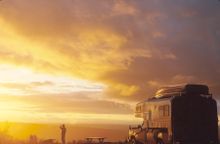
The Midnight Sun offers an abundance of energising daylight and extra precious hours to explore the boardwalks of Dawson City or the magnificent icefields of Kluane National Park. The further north visitors travel into the Arctic Circle, the longer the days.
The summer is also the perfect time to spot wildlife. Spot wild birds as well as larger animals, like moose and bears, as they forage around rivers for fresh greens, visitors may also be able to spot wildlife from their canoe.
Click here for videos of the Yukon in summer
For further information on the Yukon, visit www.travelyukon.com