 27 Feb 2020

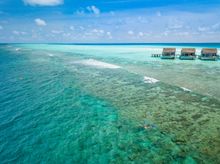
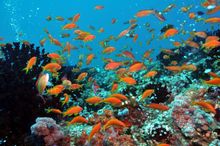
Each year on March 3rd, World Wildlife Day celebrates the natural world and reminds us of the need to protect it. The unique environment of the Maldives provides the perfect biosphere for a wide range of endangered and under threat marine animals. Universal Resorts including Faarufushi, Dhigali, Kuramathi and Kandolhu are ideally situated for guests to observe these animals in their natural habitat and educate guests on conservation.
Dhigali Maldives; Hanifaru Bay, Manta Feeding Station
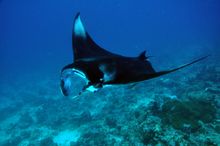
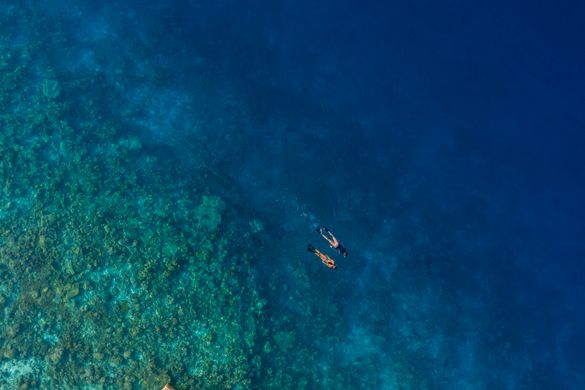
Avid snorkelers at Dhigali can explore the UNESCO Biosphere protected area of Hanifaru Bay in the Baa Atoll; the largest Manta feeding hotspot in the world. This small submerged bay and its resultant uninhibited island Hanifaru, is just a tiny sand patch. The grandness of this famed marine life habitat comes from the sheer number of Manta Rays and Whale Sharks that converge to feed at the same time. The biodiversity of this marine region combined with a unique dynamic water circulation system that during western monsoons creates the ideal feeding conditions to support and attract high numbers of endangered marine megafauna.
This once in a lifetime experience welcomes over 200 of the gentle giants feeding for up to 4 hours in this tiny bay; manta rays are usually seen feeding in a sedate, patterned behavior; however at Hanifaru Bay visitors can (when the conditions are right) see 'cyclone feeding' in action.
The stunning biodiversity of Hanifaru Bay, and the Baa Atoll means that visitors to this area can also see a variety of additional marine fauna including Green and Hawksbill Turtles, along with a plethora of fish and corals.
Faarufushi Maldives; Remote Diving and Snorkelling
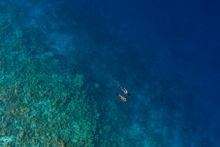
Faarufushi invites guests to dive into an extraordinary experience both above and below the surface of the Indian Ocean. Beneath the sparkling sea, Euro-Divers Faarufushi Maldives offers access to over 20 largely unexplored dive sites, as well as a truly beautiful house reef.
The private jetty and diving Dhoni afford divers the opportunity to reach most of the available dive sites in under an hour. These dive spots range from wall reefs, to thila and channel diving, as well as the opportunity to discover huge schools of tropical reef fish, beautiful soft corals, eagle rays, turtles, sharks and more.
Back on land, Faarufushi continues to work towards a sustainably conscious resort. The implementation of a state-of-the-art water filtration system provides water in reusable glass bottles across all rooms and dining outlets. This, along with the ban of plastic straws has significantly reduced the plastic footprint of the resort drastically as it continues to fight the plastic tide.
Kuramathi Maldives; Extensive Marine Conservation
Led by a team of professionals including a Resident Marine Biologist and Horticulturist, the Eco Centre at Kuramathi operates year-round, playing a vital role in providing guests and local communities with an enriched experience of the Maldives, ensuring they are fully educated on ocean and island practices. The eco-conscious resort known for championing environmental awareness have taken the steps to ban single-use plastic straws as part of an ongoing strategy to reduce plastic pollution. The newly introduced paper straws will replace 400,000 plastic straws currently used by the resort each year, and is just one of the steps they year and to develop sustainable resort operations.
The centre's team also works with other Maldivian bodies to carry out coral reef research, monitor sea water temperature and maintain a coral nursery. New initiatives include the reduction of plastic waste with the introduction of glass bottles for drinks, paper straws and the hydroponics garden.
The Hydroponics Garden is a remarkable facility which provides over 70% of the fresh salad leaves used across the food outlets on the island. This garden is run by a greenhouse system which produce a range of herbs and leaves, including coriander, arugula, mint, green basil, purple basil, dill, sage and lemongrass. This efficient and eco-friendly method of growth facilitates rapid harvesting where plants grow within a month's time, under the careful supervision of our resident horticulturist.
In the waters surrounding Kuramathi, the marine life is diverse and abundant, including several different types of sharks, eagle rays, stingrays, manta rays (November to April), turtles, barracuda, tuna, Napoleons, morays, schools of jacks and trevally, leaf fish and even the occasional whale shark. Additionally, Hammerhead Shark Point, a mere 8 minute boat ride from Kuramathi, still offers lucky advanced divers the chance to see these magnificent sharks as the sun rises, in one of the few remaining places in the world where they can still be found in significant numbers.
Kandolhu Maldives; Marine Protected Areas of the Maldives
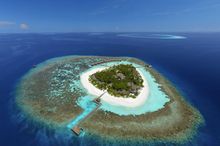
Ringed by an intricate yet stunning coral garden, teeming with colourful reef fish, Kandolhu Maldives is a patch of natural paradise hidden in the North Ari Atoll of the Maldives. Within a close range of magnificent dive sites, while boasting one of the best house reefs; Kandolhu is perfectly situated for unforgettable dive adventures.
Nearby reefs Fish Head and Maaya Thila are both registered as Marine Protected Areas of the Maldives, providing the ultimate dive experience. Long regarded as the prime spot to witness mature Grey Reef Sharks and a plethora of fish, diving here can be likened to swimming in a healthy live fish soup. Be wary of the strong current as an experienced skillset is required to brave these waters, but divers can be rewarded by close encounters with schools of fusiliers, batfish, bannerfish, trevally, tuna and the famed red snapper.
The Fesdu wreck offers a combination of a wreck dive and a deep dive; this is strictly for the advanced certified divers. Measuring 30 metres in length this former coastal fishing trawler has been submerged for over 30 years allowing time for beautiful coral blooms to bud into homes for long-nosed hawkfish, damsel fish, and glass fish. The wreck is adjacent to a pristine coral formation rising to 12 metres, home to vibrant nudibranch, slugs, flatworms, octopus, scorpionfish and even frogfish. Reef mantas frequent these waters during certain time of the year making it one of the most valuable dive sites.
Celebrate the natural wonders of the Maldives on World Wildlife Day (and all year round) by taking the chance to observe threatened fauna and environments and learn how we can all take steps to conserve them for the future.
END
For more information about the resort, or for press trips please contact: Genevieved@goodresults.co.uk or Chloec@goodresults.co.uk