 15 Jun 2015

At the time of Independence back in 1963, less than 7% of Kenya's land mass had been set aside as National Parks – a smaller percentage than many other countries in Africa or the rest of the world. However as the population of Kenya in 1963 was only about 12 million, the areas adjacent to the parks and reserves were mainly very sparsely populated and so the wild animals were able to migrate outside and were not confined within the park boundaries.
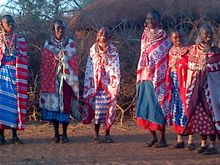
Today the human population in Kenya is four times the size that it was at Independence, and as a result there is much less land available outside the parks for wildlife as it is needed by humans. So there has been a huge impact on wildlife caused by habitat loss since much of the land beside the parks is becoming developed and heavily settled, or fenced off as farmland for cultivation or livestock ranching, while forests are cleared and rivers diverted for irrigation.
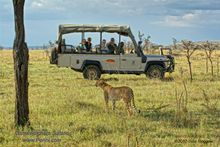
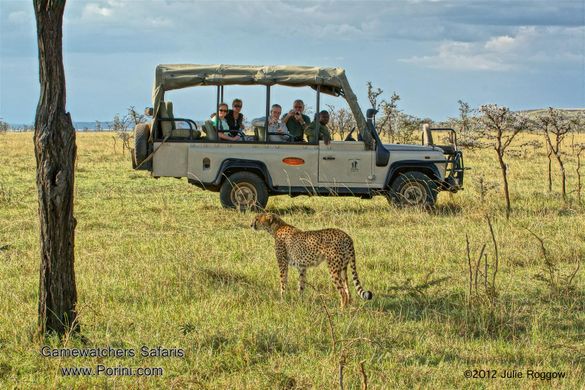
This loss of protected habitat is the main reason that wildlife populations have plummeted in Africa and elsewhere but in recent years this problem has been addressed by Gamewatchers Safaris and other conservation-minded safari companies who have established new 'wildlife conservancies' on tracts of land leased from communities adjacent to the parks and reserves. This has actually expanded the area of habitat now available for wildlife beyond the parks and reserves and within these new conservancies there has been a regeneration of vegetation and a big increase in wildlife including big cats and elephants as well as a wide range of herbivores.
The renowned elephant conservationist Cynthia Moss has written recently: “The establishment of the Conservancies in Kenya has been the single most successful conservation initiative since the creation of national parks in the 1940′s. Conservancies protect land for Kenya's wildlife and even more important create sanctuaries of safety. In addition conservancies bring benefits in the form of direct payments and jobs to the people who share the land with wildlife”.
Researchers have been monitoring the positive effects of the Conservancies in Kenya and it is striking that the animals learn very quickly where they are safe.
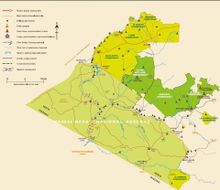
Support of these conservancies and the wildlife therein is key as without tourists they will not survive. Gamewatchers Safaris organise safaris using their own Porini Safari Camps situated in some of the key conservancies of Ol Pejeta near Mt Kenya, Ol Kinyei, Naibosho and Olare Motorgori Conservancies adjacent to the Masai Mara and Selenkay near Amboseli.
Gamewatchers Safaris are committed to conservation and working with local communities and were previously winners of the Responsible Tourism Awards at WTM in London for 'Best for Conservation of Endangered Species or Protected Areas' among numerous other awards (http://www.porini.com/about-us.html?sub=awards-and-news-articles). They have also just recently won Tour Operator of the Year 2013 by Eco Tourism Kenya and are winners of both Kenya's Leading Tented Safari Camp and Africa's Leading Tented Safari Camp Brand at the World Travel Awards 2014. More details on our projects and commitment to this can be found by going to our website, http://www.porinisafaricamps.com/responsible-tourism.htm