 14 Sep 2021
Tags: food and drink, food preservation, Sustainable Food, Visit Sweden, Seasonal Food

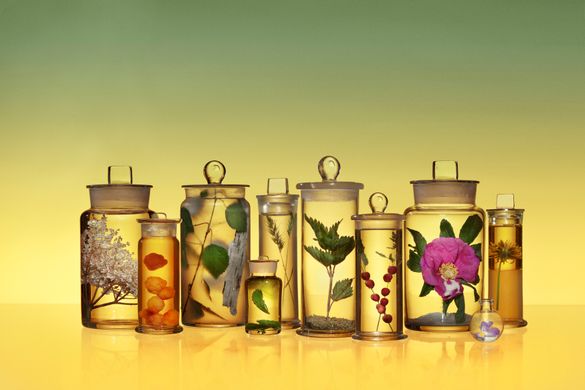
In a normal year, tourists visiting Sweden during the summer months are able to get a taste of its gastronomic treats but due to the pandemic, many visitors have missed out on the Swedish summer delicacies. In June and July, Swedish nature is bursting with flavours that are characteristic of the Swedish summer season. The long days give berries, flowers and plants precisely what they need to develop their distinct taste that is enhanced further through preservation.
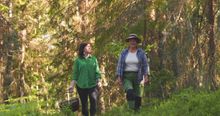
”In Sweden, we have always preserved food. In times past it was necessary to survive the winter. Today we can use these techniques in completely new and surprising ways. One way is to preserve the Swedish summer so that more people can get a taste of our unique summer flavours and see how they can be used.”, says Lena Engelmark Embertsén.
To see a film about the initiative: https://visitsweden.com/what-to-do/food-drink/taste-swedish-summer/
Hi-resolution images can be downloaded here: https://contentbank.visitsweden.com/selection
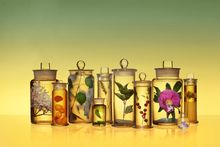
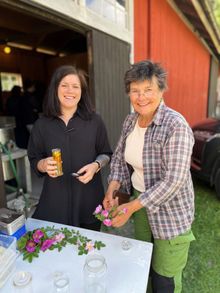
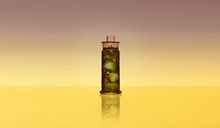
Together Lena Engelmark Embertsén and Elvira Lindqvist have created 22 Swedish summer flavours and combinations, some of which can be experienced at Elvira Lindqvist's newly opened Restaurant Oxenstiernan in Stockholm or bought at Lena Engelmark Embertsén's farm, Högtorp gård in Mellösa. The 22 flavours are also presented on Visit Sweden's website, where you can learn where the ingredients come from, what they can be combined with and with recipes provided, find out how to create the flavours for yourself.
“Pickled cloudberries are delicious with venison and moose or barbecued turnip, fermented spruce buds work really well with chicken or cheese and dried nettles are packed with vitamins and can be used as a powder to season smoothies or sprinkled over a salad,” says Elvira Lindqvist.
Elvira Lindqvist and Lena Engelmark Embertsén are not the only ones who have discovered the benefits of working with preservation to experiment with new tastes and textures and to reduce food waste and maximise the use of local ingredients. More and more restaurants, shops, and food halls in Sweden – from the family-run Skoogs Eatery and Deli in Funäsdalen in northern Sweden, to the modern food hall Malmö Saluhall in the south – are using these methods.
About our food innovators
Lena Engelmark Embertsén is a trained food chemist and specialises in finding exciting flavours in nature and combining and preserving these in new ways. She runs Högtorp Gård, a farm dating back to the 17th century, where she creates unique products and places great emphasis on organic production and biodiversity. Lena's products are found in many White Guide and Guide Michelin restaurants and have also been served at the Nobel dinner.
Elvira Lindqvist is one of Sweden's most exciting, up-and-coming chefs. She has been named Stella Chef of the Year 2020 at the Stella Gala - a gala that highlights the most prominent women in Sweden's restaurant industry. She has also worked as a kitchen manager at the acclaimed restaurant at Fotografiska, which has been awarded the Michelin Guide's sustainability emblem and has been named the world's best museum restaurant. Elvira is trained in classic, Scandinavian cuisine and is passionate in her pursuit of sustainability - as well as gender equality - in the industry. In August, she opened Restaurant Oxenstiernan, in central Stockholm, where you can enjoy Swedish, innovative dishes in a beautiful 18th-century building.
About Visit Sweden's work within food tourism
Since 2017 the Swedish government and the EU have supported Visit Sweden's "Export Programme for Food Tourism", through the Rural Development Programme. This support continues through to 2022.
Visit Sweden works together with Sweden's regional tourism organisations, local authorities and larger cities to strengthen the image of Sweden as a food destination in the long term, to increase the number of foreign tourists travelling to Sweden for our food and drink.