 11 May 2011

Colorado's beer, wine and spirits industries have enjoyed healthy growth over the past 25 years. Colorado has long been known as a state with strong agricultural roots. The farm-to-table trend, the slow food movement, and growth of sustainable organic foods were happening in Colorado long before it became en vogue around the rest of the country.
These trends have led to the growth of Colorado's 'agritourism' industry, most notably Colorado's beer, wine, and craft distilleries. Across the state, Coloradans are passionate about locally produced products. Colorado's governor and former mayor of Denver, John Hickenlooper, even helped establish the state's first brewpub, Denver's Wynkoop Brewing Company (www.wynkoop.com), back in 1988.
Today, visitors can enjoy a plethora of free beer, wine, or craft distillery tours after sampling the many recreational pursuits that the state has to offer, in any season. For more information, visit www.COLORADO.com.
Colorado Beer Country
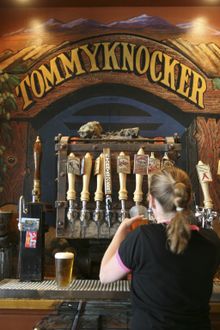
Colorado has long been known for its award-winning brews. From the MillerCoors Brewery (www.millercoors.com) in Golden, Colorado, to the 100 craft breweries that dot the state, beer connoisseurs everywhere know Colorado for its serious beer culture.
Denver leads the nation in beer production per capita and ranks second in the number of breweries. Colorado is among the top beer producers in the U.S., boasting one of the largest concentrations of craft breweries in the country. In fact, Colorado is home to four of the top 50 brewing companies in the country. The state is ranked first in gross beer production in the U.S. and third in volume of brewpubs and craft breweries.
Many local craft breweries offer free tours – and free samples – from the MillerCoors brewery in Golden, Colorado to the popular New Belgium Brewery (www.newbelgium) in Fort Collins, one of the great beer towns in the country. There are also a number of festivals dedicated to Colorado beer. The Great American Beer Festival (www.greatamericanbeerfestival.com), the largest commercial beer competition in the world, takes place annually in Denver, a homage to the city's standing among beer enthusiasts.
The Colorado Brewers' Festival (http://www.downtownfortcollins.com/dba.php/brewfest) in Fort Collins, another major beer festival, allows guests to interact directly with breweries, while enjoying local food, music and entertainment. The Colorado Brewers Guild (www.coloradobeer.org) also hosts the Colorado Brewers Rendezvous, in the picturesque town of Salida, Colorado, along the Arkansas River, with the aim of increasing awareness and appreciation for Colorado beer.
Colorado Brewers are among the most innovative in the country. Oskar Blues Brewery (www.oskarblues.com) in Longmont is popular for creating craft beer in a can, including its popular Dale's Pale Ale and Ten Fiddy beers. In fact, Oskar Blues' Dale's Pale Ale was named one of “America's Hottest Brands” in a 2010 Advertising Age report highlighting the 50 brightest brands of the year and the visionaries behind them. The report, which calls Dale's Pale Ale “one of the hottest beers in the sizzling craft category,” highlights the success of Dale Katechis, founder of Oskar Blues.
The New Belgium Brewery is known for being 100 percent wind powered and one of the greenest breweries in the world almost as much as it is known for its award-winning Fat Tire Ale. Odell Brewing (www.odellbrewing.com) in Fort Collins is popular with locals for its handcrafted classics, including its flagship brew, 90 Shilling Ale, and small batch, experimental beers that are served in its craft brewery. It's best not to get attached to the experimental beers, as they come and go without warning. Locals have been known to flood the Odell's tasting room with their growler—a half gallon jug used to buy beer directly from craft breweries—in hand when a popular brew makes a limited return.
Other breweries are attached to popular restaurants, where beer is a central part of the fare. Durango's Steamworks Brewing Company (www.steamworksbrewing.com) offers a varied selection of award-winning ales and lagers that are available throughout the year; some specialty beers are only available at the brewery. The brewery also offers beer pairings with its original menu items, such as the Steamworks Cajun Boil, a feast meant to eat with your hands on a table covered in thick wax paper.
There's even a beer made by Colorado, with Colorado ingredients, for Coloradans. Colorado Native Lager (www.coloradonativelager.com), a brilliant amber lager, was introduced by AC Golden Brewing Company, a subsidiary of MillerCoors, in 2010. Colorado Native Lager, available only in Colorado, is made from 99.9% Colorado ingredients, including barley from the San Luis Valley, water from the Colorado mountains and hand-picked Colorado hops.
Though a majority of Colorado's breweries are located in Denver and its surrounding towns and cities including Boulder, Fort Collins, Lyons and Longmont, there are tk craft breweries across the state. Visitors will find microbreweries in Grand Junction, Alamosa, Colorado Springs, Salida, and Pueblo, Ouray, Telluride and Durango. For a list of all Colorado Breweries visit the Colorado Brewers Guild website at www.coloradobeer.org/brewers.html.
Colorado's Wine Revolution
Colorado is becoming increasingly popular among oenophiles for its growing wine industry, still just in its teen years. Colorado's vintners are enjoying a well-earned reputation among serious wine enthusiasts for producing a wide variety of national and international award-winning wines, some of which incorporate the state's best known agricultural staples, including cherries, peaches, plums and honey.
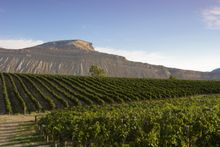
Today, Colorado boasts 100 wineries and 80 vineyards totaling 650 acres of vines, according to the Colorado Wine Industry Development Board (www.coloradowine.com). Though there are wineries and vineyards around the state, Colorado's “Wine Country” is located on Colorado's western slope, primarily the towns of Grand Junction and Palisade.
Since the end of the 19th century, wine grapes in Colorado have been grown primarily in designated wine grape-growing regions including the Grand Valley of the Colorado River and the West Elks along the North Fork Valley of the Gunnison River. These areas, also known as American Viticultural Areas (AVA), range in elevation from 4,000 to 7,000 feet above sea level and are among the highest vineyards in the world. Nearly all of Colorado's vineyards are located in these AVAs. While most of Colorado's wine grapes come from these two AVA areas, grape growing vineyards are also located in Delta, Fremont, Larimer, Montezuma, and Montrose counties.
Colorado has four distinct wine trails, which include dozens of wineries and vineyards. A popular way to experience some of these trails is via bicycle, particularly in Colorado Wine Country.
? The Front Range Wine Trail features two dozen wineries and tasting rooms in amazing areas including the Royal Gorge in Cañon City and Rocky Mountain National Park in Estes Park, and the quaint Victorian town of Georgetown.
? The Heart of Colorado Wine Country Trail takes visitors around two federally designated AVAs in Colorado's Wine Country: Palisade and Grand Junction. Visit wineries in towns such as Delta and Olathe, known for its amazing sweet corn, and along Surface Creek, which offers incomparable views of the largest flat top mountain in the world: The Grand Mesa.
? The Four Corners Region Wine Trail takes visitors from Durango to Cortez, near the iconic Mesa Verde National Park. Workers in Vineyards in this culturally significant area have been known to find ancient pottery shards and arrowheads among the rich soil.
? There's also the Pikes Peak and The Arkansas Valley Wine Trail, which leads visitors over Wolf Creek Pass through the picturesque San Luis Valley, passes through the Central Colorado towns of Salida and Cañon City, before winding up at Pikes Peak and historic Manitou Springs.
Colorado, known for its food, music and film festivals, also plays host to several popular wine festivals. Colorado Mountain Winefest (www.coloradowinefest.com) in Palisade is among the wine industry's biggest events, although many other areas also host wine festivals, including Mesa Verde, Manitou Springs, Evergreen and Castle Rock, to name a few.
Those in the know will make reservations for barrel tastings, which usually take place in the spring and fall seasons at various wineries across Colorado. Colorado Wine Country is the perfect location for tastings, as you can walk or bike from winery to winery tasting the best vintages from wineries around the state.
Many quaint boutique inns and B&Bs can be found at nearby wineries in Colorado. Several vineyards also have accommodations on-site. In springtime, guests awaken to the sweet scent of fruit and grape blossoms at The Two Rivers Winery & Chateau (www.tworiverswinery.com) in Grand Junction, the Victorian-style Palisade Wine Valley Inn (www.palisadewinevalleyinn.com) and the 80-room Colorado Wine Country Inn (www.coloradowinecountryinn.com) in Palisade.
Colorado's Growing Artisan Spirits Industry
Colorado's rapidly-growing artisan spirits and craft distillers industry produces everything from fruit whiskeys using Colorado peaches and blackberries to lavender-infused gin, absinthe, brandies, and other spirits. The growth in the number of distilleries in Colorado has been amazingly robust, having quadrupled its number of craft distilleries – rising from three to 14 – in just over four years.
Colorado now has the third-highest number of craft distilleries in the country. Colorado allows distilleries to sell directly to consumers and self-distribute to bars and liquor stores. Distilleries can also operate two tasting rooms, one on-premise and one at an outside location; most states do not allow the practice.
Perhaps one of the best known Colorado spirits is the multiple-award-winning Stranahan's Colorado Whiskey (www.stranahans.com). Stranahan's was born when whiskey connoisseur George Stranahan's barn caught fire. After the fire was extinguished, one of the volunteer firefighters struck up a conversation with Stranahan and the two men discovered their shared passion for whiskey. A partnership was forged and Stranahan's Colorado Whiskey was born.
Colorado Pure Distilling (www.coloradopuredistilling.com) createspremium, hand crafted, private label and top shelf spirits in small batches using the freshest ingredients and pure Colorado mountain spring water.Colorado Pureis one of just two craft distillers in the world using a glass finishing still, which eliminates impurities left by traditional metal stills, and makes it easier for the master distiller to identify and draw off any remaining impurities. Colorado Pure Distilling also immerses its customers into the vodka making process by allowing them to create their own recipes and make their own private labels.
Much like restaurants in Colorado, many boutique craft distilleries grow their own organic ingredients or purchase them from nearby organic farms. Peak Spirits (www.peakspirits.com) boasts its own biodynamic farm, Jack Rabbit Hill, in Hotchkiss, Colorado and has created CapRock Organic Dry Gin, the nation's first all-organic gin. The distillery draws water from an aquifer that sits 10,500 feet above sea level. The distillery then uses apples for a fresh finish that blunts the usually harsh juniper kick.
Colorado's après ski scene is also helping to drive sales of locally produced craft spirits. Richard Betts, master sommelier at the five-star Little Nell in Aspen, along with entrepreneur Dennis Scholl and Charles Bieler, co-founder of Three Thieves/Rebel Wine, had the idea of bringing an artisanal Oaxacan mescal to Colorado. Sombra Mezcal (www.sombraoaxaca.com) is now one of the hottest spirits on the après ski scene; warming, rich and smoky, it easily heats up the coldest of skiers.
A number of Colorado's craft distilleries are open for regular tours; some are by appointment only while others may not currently offer tours. Regardless, your best bet is to call ahead of time. Visit the Colorado Distillers Guild website (www.coloradodistillersguild.com) for more information on Colorado's craft distilleries, products, tastings, tours and more.
ABOUT COLORADO
Colorado is a four-season destination offering unparalleled adventure and recreational pursuits, a thriving arts scene, a rich cultural heritage, flavorful cuisine, and 26 renowned ski areas and resorts. The state's breathtaking scenic landscape boasts natural hot springs, the headwaters of seven major rivers, many peaceful lakes and reservoirs, 12 national parks and monuments, and 54 mountain peaks that top 14,000 feet. For more information or a copy of the 2011 Colorado Official State Vacation Guide, visit www.COLORADO.com or call 1-800-COLORADO. Media are invited to visit the Colorado Media Room at www.COLORADO.com/mediaroom. Visitors can also follow Colorado's social media channels, including Facebook, Twitter, YouTube, Flickr and Foursquare, on the Colorado Connect page at www.COLORADO.com/connect.
?
# # #
?