 21 Nov 2014

Louisiana Coast, November 2014 – Historic plantation houses located along Louisiana's coast offer a fascinating look at a crucial period in the history of the American South—just before and during the Civil War. During their halcyon days in the early to mid-1800s, most Louisiana plantations produced sugar cane—referred to at the time as “white gold”—which provided their owners with the kind of vast wealth it took to build these lavish estates. While the plantation model of agriculture has disappeared in the South, many of Louisiana's amazing antebellum mansions remain intact, meticulously maintained and furnished with beautiful period pieces. Today they are open to visitors eager to explore and learn about this important part of American history.
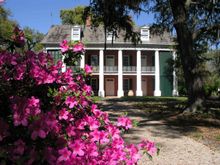
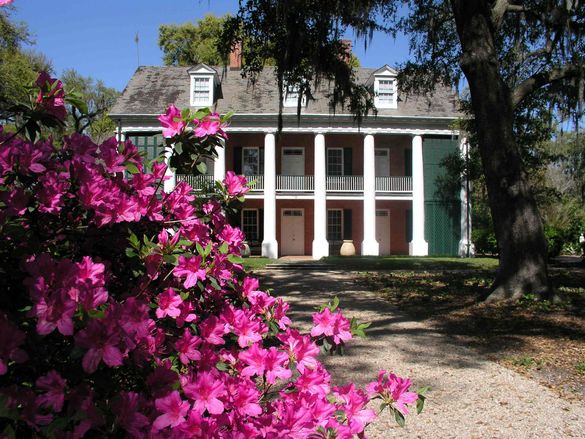
In Iberia Parish, set among towering live oak trees draped with iconic Spanish moss, sits Shadows on the Teche, the first National Trust for Historic Preservation site in the Gulf South. Built in 1834 for sugar planter David Weeks, this classic revival-style home paints a vivid picture of plantation life for the four generations that made this property their home. In addition to touring the restored home, visitors can get an inside perspective on the historic significance of the plantation through the Weeks Family Papers, a collection of more than 17,000 invoices, receipts, business, legal, and personal letters that record the joys, sorrows, fears, sickness, celebrations, pain, prosperity and poverty of their time at the plantation. Guided tours are available from once an hour between 9 a.m. to 5 p.m., departing at 15 minutes past each hour. Interactive garden tours are available via QR codes that can be accessed with a smart phone.
The past and present collide in more ways than one at St. Joseph Plantation in Jefferson Parish. Not only is the property still a working sugarcane plantation, it's also owned and operated by the descendants of Joseph Waguespack, who purchased the home in 1877 and became the plantation's second owner. In addition to the antique furniture-filled rooms of the large manor house, guests here can also explore many of the original outbuildings, including slave cabins, the detached kitchen, blacksmith's shop, carpenter's shed, and a schoolhouse. Today, most of the guides giving St. Joseph Plantation tours are family members who are proud to share this grand and priceless piece of their heritage. Tours run on the hour beginning at 10 a.m. and ending at 3 p.m., Thursday through Tuesday. The plantation is also available for private events and weddings.
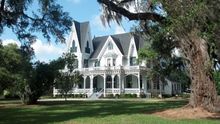
Ardoyne Plantation, the largest and most elaborate remaining example of rural Victorian Gothic architecture in the state of Louisiana, is located about seven miles north of Houma in Terrebonne Parish. Constructed in 1897 by John D. Schaffer for his wife, the “cottage” is a replica of a Scottish castle copied from a photo she saw in a magazine. To this day, the plantation is still owned by the Schaeffer family, who give many of the guided tours. Ardoyne is one of the first post-Civil War operations of its kind and serves as an example of how Southern plantations transitioned from slavery to automated machinery as a result of the industrial revolution. Movie buffs may recognize the property from such films are 1999's “Crazy in Alabama” and 2009's “Deadline!,” both of which were filmed on site. Guided tours are given Tuesday through Saturday at 9:30 a.m., 11:30 a.m. and 2 p.m.
If Woodland Plantation and Spirits Hall looks familiar, it's probably because the image of its “Big House” graced the Southern Comfort label from 1934 until 2010. Built in 1834 in Plaquemines Parish, Woodland is the legacy of William Johnson, the first American chief river pilot and a prosperous sugar baron. Over the years, Woodland has withstood the torment of several hurricanes and witnessed many changes, including serving as a haven for bootleggers during prohibition. Completely restored, Woodland stands today as the only remaining plantation homes in the Delta on the west bank of the Mississippi River. Visitors can book overnight accommodations in the big house, little house or magnolia store, and the Spirit Hall is available as a wedding venue.
Collectively known as the Louisiana Tourism Coastal Coalition (LTCC), the coastal parishes of Louisiana promote natural, recreational and cultural experiences to residents of and visitors to these parishes. The LTCC is also an advocate for the sustainable development of coastal communities and protection of the area's fragile wetlands.
###
Lauren Frye
lauren@gilliesandzaiser.com
212-724-7783 x3
Gillies and Zaiser
LTCC-11-November2014