 06 Jan 2005

Nestled along the St. Johns River in Florida�s lush interior, 14 diverse communities make up what is known as St. Johns River Country. Each with its own unique history, these communities are woven together by one watery common thread � the mighty St. Johns River. The architecture, arts, heritage sites, and cultural and natural attractions form a mesmerizing showcase of small town Florida, outdoor adventure and historic treasures.
The St. Johns River is Florida�s longest river and one of only three in the United States that flows south to north. Named an American Heritage River by President Clinton in 1997 and known as �Florida�s First Highway,� the St. Johns has been a vital part of the state�s transportation system since the late 1800s. Today the river and its surrounding ecosystem feed the interests of countless visitors in search of outdoor adventure, natural beauty and true southern heritage.
Like many parts of Florida first populated by Native American Indians, St. Johns River Country was once home to the Mayaca tribe. The birth of the steamboat in the early 1800s and the expansion of the railroad afterwards, brought a new wave of residents to the area. Throughout the 14 towns and cities that make up the region, visitors can discover traces of these original inhabitants through historical sites, artifacts, plantation homes, sugar mills and much more. Free-standing sites, homes and museums offer a glimpse into the history and culture of the people and events that shaped the area.
Early pioneer heritage is celebrated at the Pioneer Settlement for the Creative Arts, a living history museum in Barberville, a small town established in 1763 as a trading post on the west side of the St. Johns River. In May, the Settlement hosts Florida Hands Multi-Cultural Day to honor the Hispanic and African-American contribution to the area�s agriculture industry. The first weekend in November features demonstrations of pioneer arts and crafts, historical displays, dance, music, food and storytelling amid a collection of historic structures rescued from destruction in nearby towns.
Established in 1894 and designated a Historic District on the National Register of Historic Places in 1991, the Southern Cassadaga Spiritualist Camp is the oldest active religious community in the southeast United States. The historic district dates from 1895 to 1938, including mostly Frame Vernacular residences and Queen Anne-style cottages with original tin roofs and a few commercial and religious buildings. Visitors are welcome to attend services, take spirited walking tours and set appointments for readings and healings with resident mediums.
After the Civil War, steamboats traveled up the St. Johns to resort towns such as Enterprise. The 1871 DeBary Hall, a 20-room Italianate-style hunting lodge built for Frederick DeBary, captures the style of this era. The restored estate now tells its story through period rooms and interpretive exhibits. In 2005, a new high-tech theater will open and feature a simulated riverboat journey that will further enhance the River�s story with historical and environmental context. The theater will be housed in the new 5,600-square-foot Visitors� Center also featuring a gift shop and meeting space. The existing historic barn will be converted into a dining hall providing seating for 150 persons.
The city of DeLand is home to a wide variety of historic sites for visitors to explore. A great place to start is the 1886 DeLand House Museum, just a short walk from the historic campus of Stetson University, established in 1883 and Florida�s oldest private educational facility. The African-American Museum of Art and the 1920 DeLand Memorial Hospital Museum, which was a working hospital until 1948, are also popular stops for history buffs. Main Street DeLand, a revitalized downtown district, offers many unique shops, sidewalk cafes and restaurants, art galleries and the city�s two main landmarks: the 1928 Volusia County Courthouse, with its marble rotunda, art glass dome and murals, and the 1921 Italian Renaissance-style Athens Theater, currently undergoing restoration. Rounding out the eclectic collection of historic attractions is the Cattlemen�s Arena, where visitors enjoy Cracker Day every April, a celebration of the area�s Florida cowboy heritage; and the DeLand Naval Air Station Museum, which serves as a tribute to all military wars and is listed on the National Register of Historic Places. The museum houses a MASH helicopter from the Korean War and a WWI collection of photos and documents. For some history outdoors, visitors will find that many Native-American tribes left clues about their past in the form of burial mounds and ceremonial objects. Hontoon Island State Park, a 1,650-acre expanse in DeLand, still protects Mayaca Indian mounds which can be seen along the park�s nature trail.
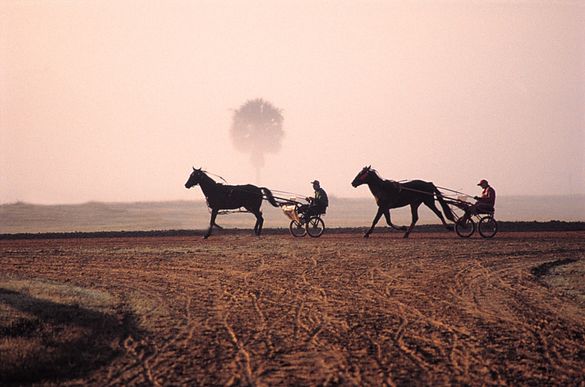
The neighboring community of DeLeon Springs, named for Ponce DeLeon, the famous explorer who discovered the spring in 1513, is home to two major natural attractions. In the 1820�s, wealthy Americans established plantations along the St. Johns River to grow cotton, sugar and indigo. They also traded with the Seminole Indians, but in 1835 hostilities broke out and the Seminoles burned 16 plantations, putting an end to the sugar plantation era. Remains of an early sugar mill can be seen at DeLeon Springs State Park, along with an original canoe, arrowheads and other objects that are preserved in the park�s museum area. Spring Garden Ranch, a training ground for pacers and trotters, welcomes visitors year-round to experience the excitement of horseracing. Drivers from all over the world bring their award-winning horses to train in Florida�s sunshine each year.
The city of Deltona, the county�s fastest growing community, is known for its diverse culture and the Deltona Arts & Historical Center. Established in 1999, the center pays tribute to the area�s rich history through art exhibitions, performing arts and cultural events throughout the year.
The small city of Lake Helen, established by Henry A. DeLand in 1883 and named in honor of his daughter, Helen Parce DeLand, is a National Historic District with more than 70 structures from the period of 1885-1940. Splendid homes, many in Revival styles, line narrow streets and lend Lake Helen a special southern charm.
Between DeLand and DeBary is the small town of Orange City, home to the United States Postal Museum, one of only three museums of its kind in the United States. Visitors will find displays of more than 440 artifacts relating to the history of the postal service.
In Pierson, better known as the �Fern Capital of the World,� and throughout St. Johns River Country, residents and visitors enjoy heritage festivals on Mexican Independence Day and Cinco de Mayo in celebration of the area�s Hispanic cultural influences.
St. Johns River Country is made up of 14 unique communities which together form a colorful and illuminating picture of Florida�s past. They include Barberville, Cassadaga, DeBary, DeLand, DeLeon Springs, Deltona, Glenwood, Enterprise, Lake Helen, Orange City, Osteen, Pierson, Seville and Volusia. For more information on St. Johns River Country, contact (386) 775-2006, toll-free (800) 749-4350 or visit www.StJohnsRiverCountry.com.
-St. Johns River Country, Fla.-
For more media info: Gentry Baumline Hayworth Creative Public Relations (386) 677-7000/ gentry@hayworthcreative.com