 08 Mar 2014

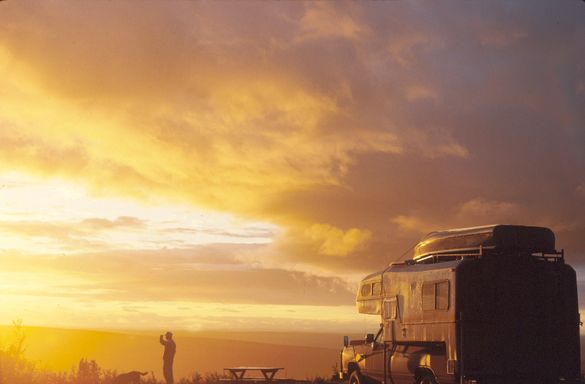
Traversing one of the Yukon's least-populated regions, the Campbell/Canol wilderness drive offers a quiet, more remote experience with rewarding fishing and wildlife viewing. This gravel road through an untouched wild landscape of mountains and alpine tundra of the South Canol delivers a true northern driving experience.
Iconic Drives
With seven spectacular scenic drives lined with parks, historic sites and abundant wildlife, this is a road-touring paradise. The territory boasts a network of well-maintained highways that rank among the world's premiere driving adventures. By road, it's an exhilarating combination of postcard scenery, historic communities, cultural attractions and adventure outings. This is a land of friendly characters, endless Midnight Sun and expanses of pristine wilderness. Explore one scenic drive, or loop several together for an extended Yukon tour.
For a true Yukon wilderness driving experience, few journeys rival the Campbell/Canol route. Well-maintained roads wind past inviting lakes, sparkling rivers and scenic vistas. Towns along the way offer historic, cultural and natural diversions. The journey promises camping, fishing and wildlife sightings, but it's the solitude and leisurely pace that really sets it apart.
Day 1 - Bound for Peace and Quiet Lake
After provisioning in Whitehorse, head east on the Alaska Highway to Johnson's Crossing and the junction with the South Canol Road. From here you drive north on a well-maintained but less-travelled road into spectacular Yukon wilderness. Take the time to stop at historic site markers and scenic pullouts on the way to Quiet Lake.
Days 2-3 - Meditations on Moose
Spend a couple of days camping along the South Canol and embrace the region's peaceful magic. Try fishing in Quiet Lake, and paddle across subalpine Rose and Lapie lakes. Keep your speed down and your binoculars handy: this is moose country.
Days 4-5 - Sheep, Trout, Caribou and Solitude
Visit Ross River and Faro, where you'll spot the region's distinctive Fannin sheep. Or head east to Watson Lake through caribou habitat to explore the town's Alaska Highway and northern lights visitor attractions. Choose from at least eight campgrounds along the Campbell Highway, located on excellent fishing lakes.
Days 6-7 - Circle back to Whitehorse
Though your circle tour through the Canol/Campbell region is coming to an end, it's not over yet. More great campgrounds await you between Carmacks or Watson Lake and Whitehorse, along with historic sites, trails and other diversions. Spend your last night out under the stars, head back to town for museums, restaurants and shopping
Background on Yukon
Situated in the upper Northwest corner of Canada, next to Alaska, the Yukon is Canada's most accessible northern destination. Home to Canada's highest mountain (Mount Logan) and one of the largest non-polar icefields located in Kluane National Park - a UNESCO World Heritage site - breathtaking doesn't describe the vastness, or the beauty!
The Yukon is one of North America's major wilderness attractions; close to 80 percent remains pristine wilderness with 5,000-metre peaks, forested valleys, unspoiled waters and untamed wildlife. Roughly the size of France at 483,000 square kilometers, The Yukon is home to more than 160,000 caribou, 70,000 moose, 22,000 mountain sheep, 7,000 grizzly bears, 10,000 black bears and 250 species of birds... and only 34,000 humans!
Travelbag offer fly-drive packages to the Yukon from £1,089 per person for travel between April - May 2014, including return flights from London Heathrow to Whitehorse via Vancouver on Air Canada/Westjet Airlines and 7 days 4 x 4 car hire. For more information contact 0871 811 1634 or visit www.travelbag.co.uk
-Ends-
For further information please contact:
Lisa Chamberlain
Tel: 020 8339 6152
Email: lisa.chamberlain@btinternet.com