 07 Dec 2016
Tags: Responsible Tourism, Responsible Travel, Ecotourism, Sustainable Travel Trends, travel trends, Usa, Burma, Myanmar, Norway, Iran, Croatia, Justin Francis, responsibletravel.com, authentic, authentic travel, Experience, experience economy

Responsible Travel reveals today its predictions for key destinations and trends colouring travel in 2017, driven it says, by an increasingly polarised tourism industry.
With the results of Brexit and the Trump vote in, Responsible Travel believes that tourism will become more polarised than ever before in 2017: one side dominated by a climate of fear and mistrust of strangers and the other trailing a growing trend for authentic and intrepid experiences.
Halted by fear
Destinations perceived as 'unsafe' will be avoided by many travellers as mainstream travel companies choose to capitalise on their fear; marketing holidays that provide a safe 'home-from-home', away from local people and real experiences. The continued growth of the cruise industry, Turkey's decrease in tourists and the fact that Tunisia continues to be closed highlights this trepidation. In the meantime, Tenerife (a traditionally 'safe', home-from-home destination) looks set to welcome its highest number of visitors ever recorded.
While Responsible Travel predicts Turkey and North Africa will recover some visitors in 2017 due to a reliance on mainstream tourism, it will still be the traditionally 'safe' destinations such as the Canaries which will see the biggest growth.
Feel the fear and do it anyway...
Responsible Travel cites its own rapid 22% year on year growth as indicative of an ever increasing trend for authentic, intrepid experiences as travellers become more driven by the 'experience economy'. The company has recorded a 49% increase in revenue from Iran holidays, often cited as a more 'unusual' destination. It is also the more adventurous travellers, according to Responsible Travel, who are becoming more engaged with responsible tourism issues, backed by research which reports an increase in interest in responsible tourism over the last couple of years.
CEO and Founder of Responsible Travel Justin Francis says:
“It is becoming clearer that tourism will be more polarised in 2017. At a time where one end of the tourism spectrum is reverting back to home-from-home, all inclusive, outwardly 'safe' holidays, fuelled by an increasing mistrust of strangers, responsible tourism is leading the way in meeting an increasing consumer demand for authenticity, and experience-led lifestyles.
“We see our role as helping travellers overcome the natural fear of doing something new or different, in order to help them live their travel dreams. It is these people who are increasingly interested in responsible tourism as a way to get more authentic, memorable holiday experiences. The signs are there that in 2017 we can make the world a better place through travel”.
WHERE'S HOT FOR 2017?
Croatia
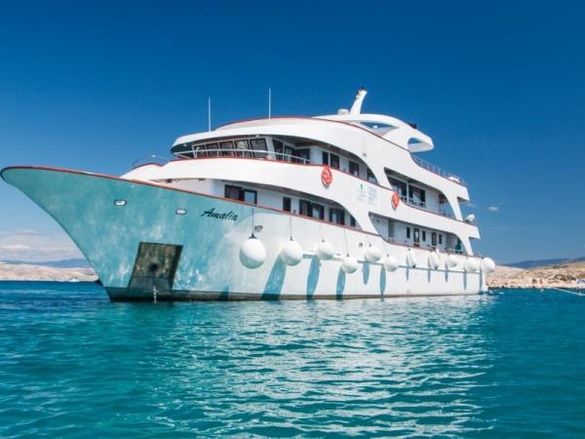
Responsible Travel reports that Croatia is its second best-selling destination, with a 20% increase – reflecting its appeal for holidaymakers looking for more authentic experiences. It offers an abundance of locally sourced fresh food, delicious locally-produced wine and a warm welcome from local people keen to embrace tourism as the country recovers from the civil war of the 1990s.
Iran
Since British Airways restarted its connection to Tehran, the upwards trend of visitors intrigued by the unique culture, and new experiences offered by this country doesn't look to be stopping in 2017 with Responsible Travel recording a 49% increase in revenue from Iran holidays.
Norway
Northern lights and winter holidays away from the ski slopes continue to rise in popularity as tourists seek new experiences. But the unique opportunity to also go whale watching is a huge draw for visitors to Norway and is driving a 38% increase in revenue – as consumers turn away from captive whale encounters, to more ethical alternatives.
WHERE'S NOT:
USA
Responsible Travel has seen a 57% decrease in revenue from US trips and expects a lower level of demand to continue through 2017. A combination of Trump and the effect of Brexit on the strength of the pound means that the US is not the destination of choice for responsible travellers in 2017.
Burma
It seems that for 2017, Burma's bubble has burst. Pent-up demand for a chance to visit this 'untouched' destination has increased prices, meaning it is no longer a cheap destination. It will take a while for infrastructure to catch up with visitor numbers, and until it does it seems the Burma shine has worn off.
- Ends -
NOTES TO EDITORS:
Interviews with CEO Justin Francis are available on request.
CONTACT:
Sarah Faith
01273 829269
ABOUT RESPONSIBLE TRAVEL
At Responsible Travel we help travellers live their dreams through authentic and life-enriching adventures, ensuring local people and wildlife benefit and being a catalyst for change in the industry.
Responsible Travel is now the world's largest platform for ethical tour providers (with a rigorous screening process in place to ensure each company fits the guidelines to be represented on the site). The company is growing by 22% each year with its profits dependent on an 'Honesty Box' where tour providers voluntarily declare their commission.
- The holiday collection includes tours from almost 400 small, specialist and ethical tour operators
- The collective operates in 190+ countries
- In 15 years, the company has helped over 100,000 people live their travel dreams, received over 1million holiday enquiries and taken £100m in booking revenue.
Alongside the holidays it markets, Responsible Travel has two other core programmes to drive positive change in the tourism industry:
- Activism – campaigning for more responsible types of tourism worldwide.
- The World Responsible Tourism Awards (founded by us in 2004) - celebrating and recognising the businesses around the world, big or small, innovating and leading the way in responsible tourism.
CEO Justin Francis has been included in Courvoisiers The Future 500, Thames and Hudsons 60 Innovators Shaping Our Creative Future and taken his place on the Advisory Board of The International Centre for Responsible Tourism.