20 Sep 2018
Tags: Responsible Travel, Responsible Tourism, Sustainable Travel, Sustainable Tourism, South America, world tourism day

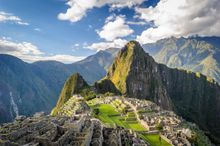
In South America, the focus has grown on travelling more responsibly and protecting revered popular destinations like Machu Picchu and the Inca Trail. Having witnessed the detrimental effects of overtourism around the world priorities are shifting towards offering a more beneficial, sustainable and less-invasive form of tourism.
With only a little bit of effort and a lot of awareness we can ensure the tourist highlights, and all those precious hidden spots in between, actually benefit from our collective visits.
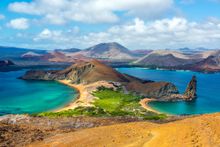
1. Choose to stay in eco-friendly lodges –Eco-lodges are essential in delicate and remote destinations like the Amazon or the Galapagos Islands. There are over 100 different certifications schemes for accommodations sustainability but even these cannot offer a complete picture. It's best to check accommodations transparency that demonstrates real achievements, in terms of environmental and social awareness. A good step in the right direction is to ask your accommodation how many locals they employ and what percentage of local produce is used in their food.
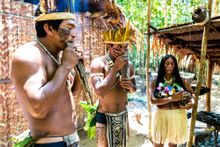
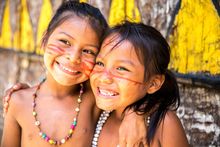
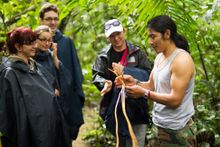
2. Include a visit to an indigenous community – Ethno-tourism is increasing in popularity as more and more travellers discover the incredible rewards of learning about and meeting some of the remotest and most authentic communities on our planet. When done respectfully, responsibly and through the organisation of a respected tour operator, this kind of tourism has the potential to literally save endangered cultures. Ethno-tours provide a needed source of income and stability, highlighting the conservation plight of a specific minority group, enticing governments to take measures to protect it, even if just to gain popularity. Read more about visits to indigenous communities in South America.
3. Buy your crafty souvenirs directly from the artist/maker – Whether it's a weaved carpet, leather bag, knitted alpaca poncho or wood carving, buying your souvenirs directly from the artist and maker means you cut out the middle-man and inject some much-needed funds into what are, usually, indigenous and impoverished communities. Although tourism cannot solve huge poverty issues, it can provide a valuable income and support pride in their traditions. Tourism is a significant employer with great potential for local enterprises linkages. Make your shopping a responsible and sustainable exercise, and you'll enjoy a much more rewarding stint of retail therapy.
4. Share your hard-earned holiday funds, responsibly – Sometimes, visitors head to South America intent on spending as little as possible and bargaining over every cent. Sure, no-one wants to fall victim to some tourist overcharging scheme, but it pays to remember that in countries whose annual average salary probably corresponds to one month of ours, leaving a generous tip and not striving to bargain on everything are also great ways to help the local communities we visit. Although there seems to be an upward trend in people being lifted out of poverty in Latin America and the Caribbean there are still people living in extreme poverty, some 220 million people are classified as vulnerable – living on about $4-10 US a day. If you wish to donate some money or provide gifts while travelling, Viva Expeditions recommends our sister companies MAD Project or to ask your operator if there are any local organisations you can donate to or if you can bring any useful gifts.
5. Respect and appreciate entry fees & tourist number restrictions – Land grabs to transform wild spaces into farms, or giant luxury resorts and golf courses are a big problem in areas such as Patagonia. Indigenous communities like the Mapuche people have suffered from these developments. Entrance fees can help local people generate an income from their land, prevent tourist overcrowding and also stop the land being ravaged for commercial gain by speculators and big business. In South America, you'll find that some of the most famous national parks charge entry fees whilst other prominent highlights, like Machu Picchu in Peru, the revered Galapagos Islands and even expeditions to Antarctica – also restrict the number of visitors. All of this promotes responsible tourism in South America, and all are practices we should be more than happy to uphold.
If you are interested in supporting local communities in Latin America Survival International, Human rights watch and Amnesty international are some groups working hard and campaigning for indigenous rights
-ENDS-
Notes to editors:
High-resolution images are available upon request. Some images are provided here https://www.dropbox.com/sh/z5dvtihe67wcsho/AACHg_8KPqW-9FF4pSqS5NX3a?dl=0
Contact:
Saul Greenland
Saul@vivaexpeditions.com
(0064) 9 950 5918
About Viva Expeditions
Viva Expeditions is a Latin America and Antarctica travel specialist with over ten years' experience of routes, destinations as well as the Central and South American people and their cultures. Each employee has travelled independently or worked as a tour leader and guide reaching the furthermost reaches of the continent. The company has driven over half a million kilometres in South America.
Viva Expeditions creates and operates its own small group holidays and overland expeditions. The company's trips include carefully designed small ship cruises, overland expeditions, tailor-made adventures and luxury escapes. Viva Expedition's holiday collection consists of 190 tours to Antarctica, South and Central America.
As proud members of the Rainforest Alliance, Viva Expeditions highly values responsible tourism as a dynamic way to create better experiences for travellers while benefiting the environment and local populations.
- Blogs
Founder and Managing Director Rachel Williams travels across South America year-round. You will probably find Rachel swimming in the Antarctic sea or travelling in the wilds of Patagonia.
Rachel previously worked for five years as a tour guide in South America then worked for a wholesaler in New Zealand. She quickly noticed her colleagues had no experience of the South American continent. Driven to give others the Latin America experience she loves, Rachel launched Viva Expeditions in 2008.