 27 Mar 2023

BBC One's highly acclaimed series Race Across the World returned this week when five pairs of ordinary Brits began their epic race across Canada to win a £20,000 cash prize. The nine episode series will see the couples travel over 16,000 kilometres and across six time zones as they navigate their way, with a limited budget and without any use of air travel or modern technology, from Vancouver in British Columbia to the finish line in St John's, Newfoundland.
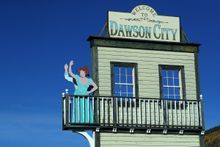
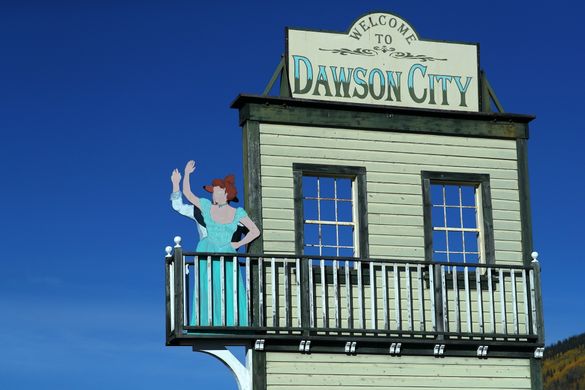
Episode two which airs next Wednesday (29th March on BBC One at 9 p.m.) will follow the five couples as they head north towards the Arctic Circle and up into the Yukon territory, a land that provides 'Larger than Life' experiences distinguished by culture and its vast, wide-open spaces and the freedom inspired by the unending, 80% pristine wilderness, to complete their second challenge. Leaving Haida Gwaii in British Columbia, the teams must race towards the second checkpoint, the former Gold Rush town, Dawson City.
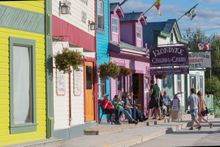
2023 is an exciting one for the Yukon territory as it continues to celebrate the 125th anniversary of the Klondike Gold Rush. Steeped in heritage and known as The Paris of the North, Dawson City is a forward thinking and entertaining place for visitors to experience. There's no place on earth like Dawson, with its wooden sidewalks, fascinating tales, unique personalities, an abundance of wildlife and unparalleled outdoor experiences. Each year under the Midnight Sun, visitors to the city will witness glorious skies and endless summer light. Life flourishes between May and August under hours of intense sunlight and on Summer Solstice, the sun never sets at the Arctic Circle. From August to April, Aurora viewing opportunities are endless, as a result of the low level of light pollution from the small community.
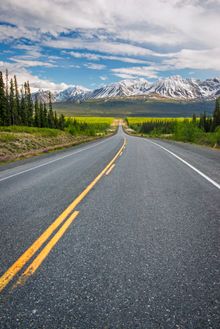
Visitors will find many ways to experience the Klondike Gold Rush heritage. The world-renowned Chilkoot Trail hike traces the prospectors' path from Skagway, Alaska, through the Yukon to Bennett Lake (BC). Across the ravine, the White Pass and Yukon Route railway chugs over the pass. In between the trail and the tracks, a scenic highway winds through the coastal mountains to the charming village of Carcross, in the Yukon.
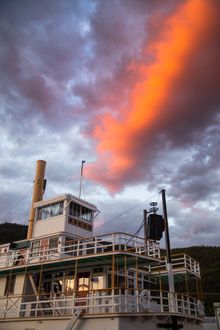
Explore preserved paddlewheelers on shore or canoe some, or all, of the river route the gold seekers took from Bennett Lake to the Klondike. There are touches of the gold rush in everything from jewellery to coffee beans to outdoor art. Tour heritage buildings, pan for gold, stroll boardwalks and get to know larger-than-life gold rush characters as they share their gripping stories about the momentous event that changed the Yukon forever.
Author Jack London was one of those brave people who survived the treacherous journey to the Yukon to find gold. Whilst he did not find his fortune in gold, he found it in the stories he wrote about his experiences in the Yukon and most famously, in The Call of the Wild. Jack London fans will love the Jack London Museum and Cabin in Dawson City. The interpretive museum tells the story of Jack's adventure in the Klondike and the subsequent hunt for his cabin where he lived during the winter of 1897. Visitors can also have a look inside his cabin that includes half of the logs from his original cabin, which was located on the North Fork of Henderson Creek.
Take me to the Yukon with Original Travel
Original Travel is offering a 12-day Call of the Wild Yukon tailormade self-drive from £3100 per person. Price includes return international flights, internal flight from Vancouver to Whitehorse, 11-nights accommodation and car rental.
To book call 0203 582 4990 or visit www.originaltravel.co.uk
About Yukon:
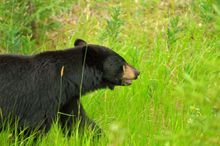
Situated in the upper Northwest corner of Canada, next to Alaska, the Yukon is Canada's most accessible northern destination. Home to Canada's highest mountain (Mount Logan) and the planet's largest non-polar icefields located in Kluane National Park - a UNESCO World Heritage site. One of North America's most undiscovered destinations; close to 80 percent remains pristine wilderness with 5,000-metre peaks, forested valleys, unspoiled waters and untamed wildlife. Roughly the size of Spain at just over 186,000 square miles, the Yukon is home to more than 160,000 caribou, 70,000 moose, 22,000 mountain sheep, 7,000 grizzly bears, 10,000 black bears and 250 species of birds, with a human population of only 41,000.
For further information on the Yukon, visit www.travelyukon.com