 13 Aug 2014

Louisiana Coast, August 2014 – The Louisiana Coast is a region rich in history, culture and – perhaps most important for many travelers – food. With access to some of the best freshly caught seafood in the country, a large Cajun population and interesting historic culinary ties, it only makes sense that the coastal Louisiana parishes host a variety of diverse and memorable food festivals. Here's a sampling of the region's best fall and winter culinary events, each of which uniquely represents its parish's heritage and agriculture.
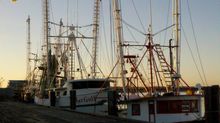
St. Mary's Parish celebrates Labor Day with Louisiana's oldest state-chartered harvest festival, the Shrimp & Petroleum Festival. Now in it's 79th year, this five-day extravaganza (August 28-September 1) of family entertainment includes live music, the traditional Blessing of the Fleet and water parade, arts and crafts, the crowning of the Festival King and Queen and, of course, lots of great food. In addition to shrimp prepared every way imaginable, the festival is also home to the annual Cajun Culinary Classic, a showcase of local homestyle cooking featuring delicious Cajun and Creole dishes. The festival began in 1936 and officially became the Louisiana Shrimp & Petroleum Festival in 1967, when the oil industry became firmly implanted in the local economy. Since then, the event has grown to become one of the state's premiere festivals, winning statewide and national accolades. Time magazine described the festival as “...the best, the most unusual, the most down-home, the most moving and the most fun that the country has to offer.”
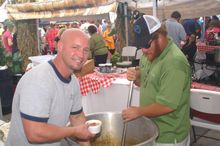
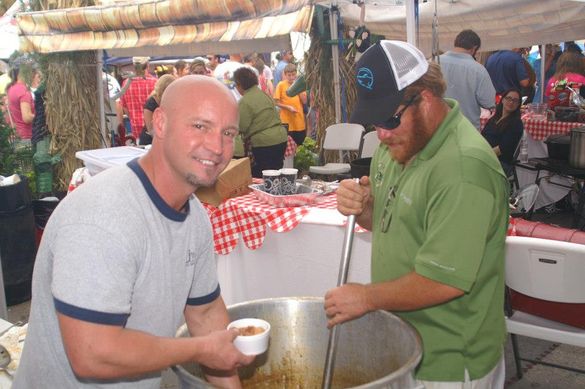
Travelers looking to sample the best of Cajun cooking should plan to attend the World Championship Gumbo Cookoff in Iberia Parish on October 10-12. This three-day event takes place on New Iberia's historic Main Street, where approximately 100 teams vie for bragging rights to the best gumbo in the world. While the gumbo competition itself is on Sunday, the festivities begin on Friday with music and popular food items. On Saturday, bands play all day, downtown shops have deals, museums offer tours, and more than 40 food vendors serve up local Cajun and Creole foods such as jambalaya, étouffée, and boudin … but no gumbo. Sunday's full attention goes to the gumbo, with the “gumbo police” making their rounds at 6 a.m. to sound the signal for the battle of the rouxs to begin. Guests are invited to sample dozens of gumbos, from traditional chicken, sausage and seafood gumbos, to more daring creations featuring alligator, rabbit, quail and duck.
Vermilion Parish lays claim to what has to be one of the most unique food festivals around: the Giant Omelette Celebration. This event, which takes place November 1-2, was born of an effort to bring the town Abbeville closer to its French heritage. According to legend, when Napoleon and his army were traveling through the south of France, they decided to rest for the night near the town of Bessieres, where Napoleon feasted on an omelette prepared by a local innkeeper. The dish was such a culinary delight that Napoleon ordered the townspeople to gather all the eggs in the village and to prepare a huge omelette for his army the next day. Each year during the celebration, a 5,000-egg “Omelette of Friendship” is made in front of the Vermilion Parish Courthouse, featuring such ingredients as bell peppers, onions, parsley, crawfish tails and Tabasco sauce. All attendees are invited to taste the omelette. Live entertainment, food vendors and other family-friendly activities round out the celebration.
In Coastal Louisiana, December ushers in citrus season, and the Plaquemines Parish Fair and Orange Festival, held December 5-7, promotes the bounty of the community. Louisiana boasts hundreds of acres of citrus crops, which flourish here because of the absence of severe freezes. In Plaquemines, Louisiana's southernmost parish, more land here is dedicated to citrus groves than anywhere else in the state. Among the most plentiful crops are navel oranges and satsumas, a tasty seedless citrus that's also very easy to peel. Activities include orange peeling and duck calling contests, live music, a 5K run/walk, carnival rides, and helicopter rides.
In addition to these fun, food-centric festivals, the Louisiana coast also hosts a variety of other festivals celebrating everything from the American bald eagle to pirates to wildlife trapping. A list of top festivals on the Louisiana coast is available on www.visitlouisianacoast.com.
Collectively known as the Louisiana Tourism Coastal Coalition (LTCC), the coastal parishes of Louisiana promote natural, recreational and cultural experiences to residents of and visitors to these parishes. The LTCC is also an advocate for the sustainable development of coastal communities and protection of the area's fragile wetlands.
###
Lauren Frye
lauren@gilliesandzaiser.com
212-724-7783 x3
Gillies and Zaiser