 09 Aug 2017
Tags: Gap Year, a level results, exam results, Gap Year Travel, year out, student travel, travel trends, industry news, booking data, industry insights, Thailand, south africa, Animal Welfare, Responsible Travel, Volunteer projects, Working holidays

- Animal welfare projects most popular with school and college leavers
- South Africa and Thailand are most popular gap year destinations
- Majority of school and college leavers book 4-week projects
Gap year travel specialists Oyster Worldwide expect to see an influx of school-leavers enquiring about gap year projects following the release of A-level results on 17th August.
Gap years are proving an increasingly popular option for school leavers who haven't made the grade for university or want to defer their studies for one year.
In 2016 tens of thousands of school and college leavers deferred their studies, and ABTA charted a 20+% increase for bookings among gap year companies.
Oyster Worldwide state that August and September is a key booking time for school leavers looking to get involved with one of their volunteer and work abroad programmes.
Ahead of A-level results day Oyster Worldwide have released data showing the gap year trends for school and college leavers in recent years.
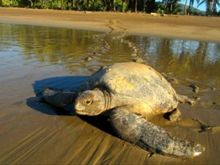
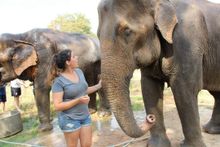
Over the last three years Oyster Worldwide have found animal welfare projects to continually be the most popular programmes with school leavers. The company expect their animal welfare projects, which include volunteering in an elephant sanctuary and assisting with turtle conservation, to prove popular again in 2017.
The most popular destinations have also remained consistent since 2014, with both South Africa and Thailand coming out on top for the last three years – which are both key locations for Oyster Worldwide's animal welfare projects.
Excluding the company's animal welfare projects, Australia, Canada and Chile are also leading destinations with school-leavers.
Thailand's soaring popularity is in line with the country's increasing tourism figures as a whole. In 2016 the number of foreign visitors to Thailand increased by 9% to 32.6million, and ABTA also saw the destination move up to be the second most popular choice among their gap year companies, with Australia taking the number one spot.
Oyster Worldwide Travel Adviser Georgie Collcutt says, “Taking a gap year after school or college is an exciting way for young people to broaden their horizons and explore the world.
Animal welfare projects have consistently remained our top choice for school leavers in recent years. These programmes are an ideal way for those on a gap year to see the world, learn new skills and help to make a difference.
We are thrilled to see the most popular destinations for gap year travellers spread across various continents; both South Africa and Thailand are wonderful places to spend a gap year.
We are excited to help even more young people plan their perfect gap year following the release of A-level results this summer, and we are keen to see whether these booking trends remain consistent again or whether we will see new activities and destinations taking the lead.”
The responsible travel experts have seen an increase in the duration of projects booked over the last year. In 2014 and 2015 the most popular duration for a project was tied between two and four weeks, however in 2016 the organisation saw in increase in bookings for four-week long projects.
The cost for four weeks on one of Oyster Worldwide's most popular projects starts from approximately £1300.
With most university years encompassing around 30 teaching weeks and one year's tuition amount to £9250, four teaching weeks of university comes out at an almost equivalent cost of a four-week gap year project.
The booking duration for these projects suggests many gap year travellers chose to spread their time among various places and projects.
The most popular Oyster Worldwide projects for school and college leavers booking in August and September 2016 included turtle conservation in Costa Rica and volunteering with monkeys in South Africa.
More information on each of the projects can be found below.
Turtle Conservation in Costa Rica
Costa Rica is home to vast stretches of beautiful turtle nesting beaches. However, the turtles living here are at great risk of extinction, with the sea turtle population in Costa Rica rapidly plummeting. Turtles are plagued by numerous threats including predation from other animals and human interference, such as egg poaching, industrial fishing and the sale of turtle shell products.
The turtle conservation project helps protect the endangered species from extinction by safely hatching turtle eggs, working to end industrial fishing and spreading awareness of the issue in the local community.
1 week costs £879; each additional week costs £260 per week, excluding flights. Find out more.
Volunteering with Monkeys in South Africa
The world's largest primate rehabilitation centre in South Africa is home to many orphaned and mistreated monkey and baboons. Here these primates are nurtured and rehabilitated to help them on their journey back to the wild.
Volunteering at the sanctuary includes helping the monkeys and baboons through preparing food, cleaning enclosures and playing and interacting with the animals. The sanctuary is specially accredited by the local Government and has undertaken many successful releases of the monkeys and baboons back into the wild.
2 weeks cost £847 each additional week costs £200 per week, excluding flights. Find out more.
-ENDS-
For further media information contact Catriona McGale (catriona@justtravelpr.co.uk)