 12 Dec 2013

With the Australian summer now in full swing and hot weather likely to hit over the coming weeks, new research has found more than nine in ten Australians would rather go thirsty than drink tap water in developing countries.
The research, conducted as part of CARE Australia’s Water Appeal (www.care.org.au/water), found that 94 per cent of Australians would choose not to drink tap water in developing countries, including Cambodia, Kenya and Indonesia, with more than three in five Australians (61 per cent) saying that they had experienced diarrhoea or a stomach virus while travelling overseas.
CARE Australia’s Country Program Manager Jenny Clement said that for most Australians, falling ill from drinking water was a rare occurrence, usually exclusive to an overseas holiday. For 884 million people across the world however, the risk of contracting life-threatening illnesses such as typhoid, e.coli or cholera from drinking water was part of daily life.
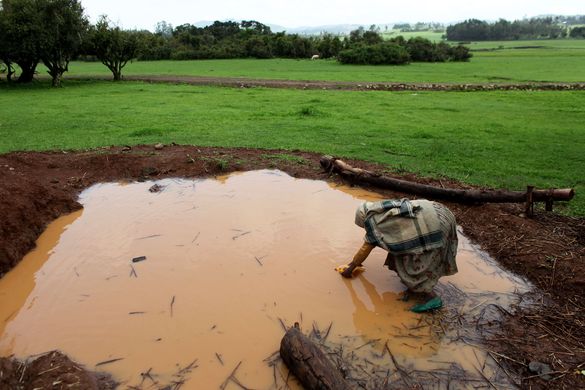
‘One in eight people worldwide do not have access to a clean, reliable water source. They are relying on drinking water that can cause a range of diarrhoea-related illnesses, which kill more people worldwide than malaria, measles and HIV/AIDS combined,’ said Ms Clement. ‘Yet these deaths are easily preventable by building simple, lifesaving water management systems.’
As the mercury rises this summer, Australians will be urged to drink plenty of water and keep hydrated. However, Ms Clement said this advice was not so simple for those in poor countries.
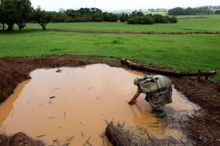
‘For most of us, if we are thirsty, we just reach for the nearest tap or water bottle. Yet across Asia and Africa, women walk an average of six kilometres a day to get water, a journey that can be exhausting, dangerous and means that they don’t have the time or energy for school, or earning a wage.’
Ms Clement said CARE Australia’s Water Appeal, which aims to raise more than $900,000 by the end of the year, was being launched in the Australian summer, when water consumption is at its peak, emphasising the value of safe, clean water for people in developing countries.
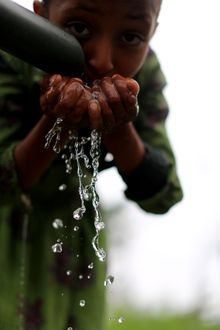
‘Clean water saves lives; it’s as simple as that,’ she said. ‘In Ethiopia, water and sanitation-related diseases are among the biggest killers of children under five. Yet these deaths can be prevented through simple, cost-effective solutions such as wells and water pumps.’
She said CARE Australia’s water-related projects have provided millions of people with access to clean, reliable water sources throughout Asia-Pacific, and urged Australians to get behind the push to improve water access for the world’s poorest.
‘Last year, CARE helped more than 1.5 million people access safe drinking water, develop sustainable water management practices and improve hygiene and sanitation in countries including Cambodia, Myanmar, Ethiopia, Papua New Guinea, Timor-Leste and Zimbabwe. But to continue this work, we need more support.’
$60 will provide clean water for a family, $70 can provide hygiene training for a family and $400 will help drill a new fresh water borehole, which will provide clean water to an entire community. To donate to CARE’s Water Appeal, visit www.care.org.au/water or call 1800 020 046.
MEDIA CONTACT:
Tom Perry
tom.perry@care.org.au
0419 567 777)
Interviews with CARE spokespeople are available.