 20 Dec 2017
Tags: Catalonia, Christmas, Catalan, traditions, Festive, Food, Winter, Events, gastronomicfestivals, christmastraditions

Catalonia celebrates Christmas with an eclectic mix of colourful events. In this newsletter, you will discover the festive Catalan traditions, gastronomic festivals, events and Christmas craft markets in Catalonia. We Catalans celebrate Christmas in many unique ways!
Tió de Nadal
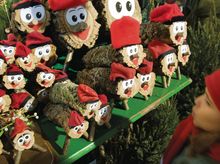
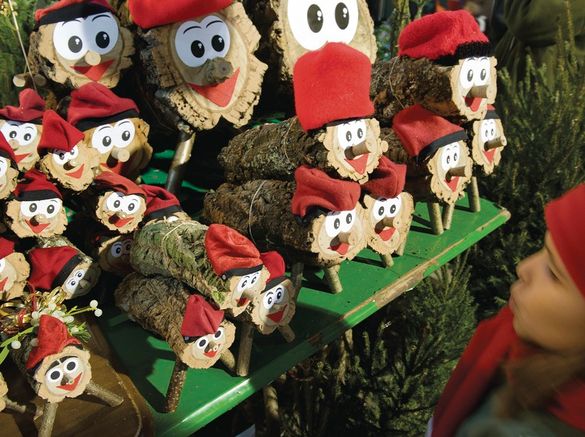
Caga Tió, a small log of wood with a painted smiling face, is a Catalan Christmas tradition. It appears in homes across the region from the 8th of December during the Feast of Immaculate Conception. Children keep the log as a pet until Christmas, the belief that the log will bring more gifts if it is looked after well. On Christmas Eve, the children are given a stick with which they hit the Caga Tió and sing a special song, for the Caga Tió to produce presents.
Caganer at the Nativity Scenes
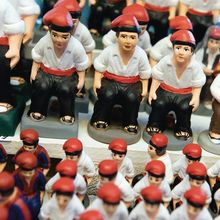
A caganer is a bare-bottomed, pooping figurine considered by many in Catalonia an essential feature of the traditional nativity scene. There is no clear explanation for the Caganer; some believe it’s a symbol of good luck others think that he represents the mischief that is in all of us. Usually hidden in the Nativity scenes, you are supposed to find it in every Catalan Nativity Scene.
Three Kings Parade
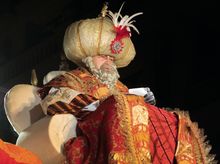
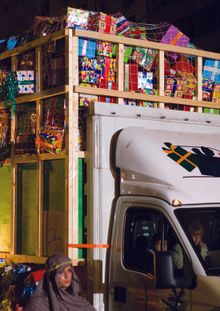
One of Catalonia’s most treasured traditions takes place on the evening of the 5th of January 2018. Three kings have been said to visit each town in Catalonia and give gifts to all the family. The following day, children find presents from The Three Kings at home or coal if they have behaved badly.
Festive food
Christmas in Catalonia, like in many countries, centres on foodie traditions. On both 25 and 26 of December, families gather for a traditional Christmas feast.
- 25 December – Sopa de Galets, a hearty festive broth that consists of vegetables with large shell-shaped pasta (galets) and giant meatballs (Pilota) is a typical starter, before a main dish of roast chicken, lamb or baked fish.
- 26 December –With the meats and vegetables used to do the Christmas Sopa de Galets, Catalan families prepare cannelloni, smothered in creamy sauce and cheese, as the main dish for the 26th December (Sant Esteve).
- 6 January 2018 – On Three Kings Day, after the children have opened their presents or coal (for the naughty ones), families eat Tortell de Reis. Tortell de Reis is an O-shaped pastry stuffed with marzipan or cream and topped with glazed fruit. The Tortell de Reis contain a hidden dried field bean and a tiny figurine of one of the three kings. The person who gets the figurine gets to wear the paper crown. The person who gets the dried fava bean in their cut has to pay for the Tortell.
- All Christmas season – Torrons are a festive Catalan dessert. Torrons are usually made using nougat, almonds, marzipan, chocolate, eggs or honey and are one of the oldest Christmas foodie traditions, usually washed down with plenty of delicious Catalan cava. These aren’t limited to Christmas day though; torrons are irresistibly enjoyed throughout the festive season!
Catalan Christmas markets and fairs 2017
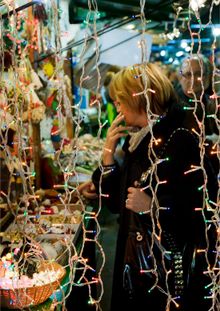
Visitors are spoilt for choice when it comes to Christmas activities in Catalonia. The most famous of these is Barcelona’s Fira de Santa Llucia which sits under the city’s famous Gothic cathedral. A firm favorite amongst tourists and locals, the market holds over 300 stalls selling festive decorations, nativity scenes, handmade crafts, food and wine and the famous Caga Tió.
Other Catalan cities and towns also feature Christmas markets throughout December with an assortment of unique ornaments and crafts to be found.
For information on events and festivals in Catalonia, visit https://experience.catalunya.com/en
-Ends-
About Catalonia:
Catalonia is a Mediterranean destination in the Iberian Peninsula with a millenary history, its own culture and language, as well as a wealth of natural heritage. Its rich gastronomic culture and 65 Michelin-starred restaurants make it a prime destination for wine and culinary tourism. Covering 32,107km, Catalonia is divided into four regions; Barcelona, Girona, Lleida and Tarragona. Together, the territory offers visitors stunning scenery, culture, history and cuisine; from the towering heights of the Catalan Pyrenees to the spectacular coastline of the Costa Brava, Costa Barcelona, Costa Daurada and Terres de l’Ebre. Its diversity and excellent facilities place it among Europe’s prime tourist areas, welcoming 18 million tourists per year.
For further press information contact:
Eira Mogas press.act.uk@gencat.cat / 020 7583 8855