 24 Jul 2017
Tags: La Gomera, Canary Islands, Spain

LONDON, 24 July 2017 – There are few sights in the world as impressive and joyful as a school of dolphins playing for an eager audience or a pod of whales breaching the water's surface. And while the rest of Europe only offers such opportunities in the summer, you can have the chance to go dolphin and whale watching in La Gomera throughout the year.
The second smallest Canary Island is one of the world's hotspots for whale and dolphin watching with sightings of 30 different species. As there are only 87 species worldwide, you can see almost one-third of the existing species in one area!
Set sail on the open seas to spot dolphins jumping through the waves, whales blowing their spouts and both enjoying their freedom. Clear waters, warm temperatures and an abundance of food have made La Gomera the place these marine mammals call their regular home.
What will you see?
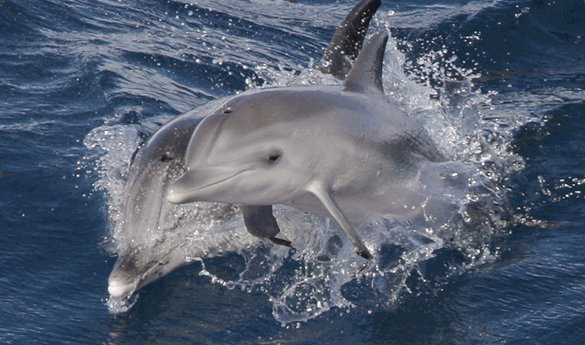
Six species of dolphins are residents of La Gomera, and the Atlantic bottlenose dolphin can be spotted the most frequently. These dolphins are approximately 3–4 metres long and have a deep gray or grayish blue colouring on the upper sides of their body and a lighter-toned belly. Eager to please, these intelligent mammals often swim alongside boats for hours at a time.
As well as dolphins, pilot and beaked whales can often be spotted near the coast. Even sperm, finback, minke and sei whales can be seen at times. One exceptional highlight is the large group of long-finned pilot whales living in the waters between Tenerife and La Gomera. This shy herd is estimated to consist of around 300 whales. The 6–7 metre long dwellers of the sea can be identified by their round dorsal fin, and of course, their spout, which erupts like a high-pressure fountain of water.
How can you see them?
La Gomera has several companies that provide whale and dolphin watching tours. Most of the excursions start out from the port of Vueltas (Valle Gran Rey), but there are also possibilities to depart from Playa Santiago and San Sebastián de La Gomera.
Usually, ships don't need to travel far from the coast for a successful sighting, making this activity perfect for a family day out. To fully enjoy this unique experience, you should always wear comfortable clothing, a swimsuit, sunglasses and sunscreen. And don't forget to bring your binoculars and camera!
But that's not all…
Dolphin and whale watching is a “must-do” experience that will become one of your best holiday memories, but that's just the start. Average annual temperatures range between 22 and 27 degrees in La Gomera, so you can enjoy the water all year-round. What's more, the island provides an abundance of opportunities to enjoy its coastline and the Atlantic Ocean in all its glory:
• Boat excursions
• Canoeing
• Fishing trips
• Kayaking
• Sailing
• Scuba diving
• Snorkeling
• Spotless beaches
• Stand-up paddle boarding
Visit La Gomera's official website for more information.
ENDS
Notes to editors:
Please contact Natasha Sá Osório, PR MEDIACO, for enquiries: natasha@prmediaco.com or call +44 (0)20 33025560.
Pressroom and Media Gallery: la-gomera.prmediaco.com
About La Gomera
La Gomera is renowned for being the most rural, authentic and visual of the Canary Islands. Flights run from the UK to Tenerife, where visitors can then enjoy a short ferry ride to the island within 50 minutes. Alternatively, flights to Tenerife North are available from the UK. Visitors can then board a 30-minute connecting flight to La Gomera.