 08 Jun 2015

Keep beaches plastic-free for Make Holidays Greener month
- Follow top tips on how to reduce plastic waste while away
- Go to makeholidaysgreener.org.uk and follow #greenerhols
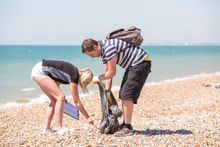
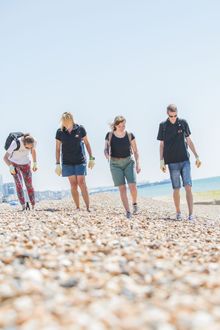
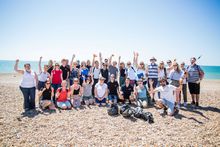
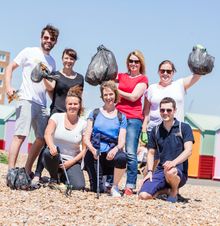
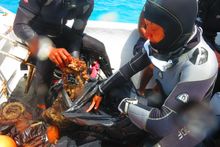
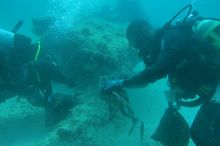
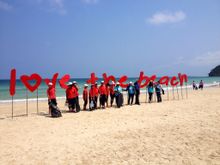
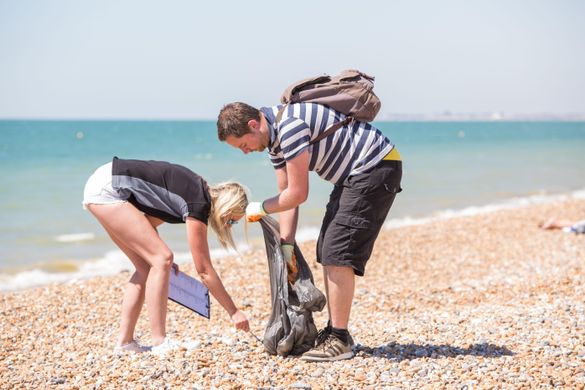
This year's Make Holidays Greener (#greenerhols) campaign is calling on holidaymakers and the travel industry worldwide to help make beaches plastic-free this July. This year's campaign, jointly delivered by The Travel Foundation and Travelife for Hotels & Accommodations wants holidaymakers to reduce the amount of plastic they throw away on holiday and for tourism businesses to protect the beaches and seas that form a vital part of our holidays by joining in with the Big Holiday Beach Clean and organise beach clean ups worldwide.
It is estimated that with 6.4m tonnes of litter entering the oceans each year, there are currently 5.25 trillion pieces of plastic floating in our oceans. From cigarette ends, shopping bags, to crisp packets and bottles, the waste is unsightly and causes damage to marine wildlife. And as plastic doesn't biodegrade; tiny plastic 'microparticles' are entering our food chain.
Make Holidays Greener is urging holidaymakers to take part by following the holiday top tips:
- Take reusable bags and bottles with you
- Avoid unnecessary plastic straws
- Use an ashtray on the beach and don't drop cigarette butts
- Remove packaging before you travel. Many holiday destinations don't have the same recycling facilities.
- Avoid bathroom products that contain microplastic particles, such as some toothpastes and body wash.
The 2015 campaign builds on last year's success, which saw more than 100 organisations take part and 600 bags of rubbish collected from 97 beaches across the world. Travel businesses including Thomson, First Choice, Thomas Cook, Kuoni and Explore are supporting the campaign and beach cleans are being organised in holiday destinations around the world.
Ben Lynam, Head of Communications at the Travel Foundation, said: “No-one can fail to be shocked by the reports of the current levels of plastic in our oceans. Taking part in Make Holidays Greener month is a great opportunity to start turning the tide on this global issue.”
Travelife, the international sustainability label for hotels, is championing the campaign with its 1,300 members, which are already taking action to improve their businesses through protecting the environment and supporting local people.
So far beach cleans have already been planned across Europe, and from Cambodia to the Caribbean. More than 60% of the organisations registering to take part so far are Travelife members.
Nikki White, Head of Destinations and Sustainability from Travelife, said: “Travelife hotel members are already working to operate greener businesses and protect destinations for the future. This includes making sure beaches and other natural areas we love to visit are clean and beautiful. I am delighted that Travelife for Hotels & Accommodations is partnering with the Travel Foundation for this year's Make Holidays Greener campaign so we can help to make a difference.”
Follow the Make Holidays Greener #greenerhols hashtag for news, updates and campaign competitions. All the Make Holidays Greener beach cleans are being mapped with more being added as the campaign builds over the summer. Join a beach clean by finding out whether your holiday resort or tour operator is organising on makeholidaysgreener.org.uk. If you're staying in the UK, you can also sign up for one of the Marine Conservation Society's beach watch events.
ENDS For more information contact: Frances Tuke, frances@tukepr.com 07415 136001; Emma Lewis, Travelife elewis@travelife.orgm 44(0) 20 3693 0164; Ben Lynam, Travel Foundation ben.lynam@thetravelfoundation.org.uk44(0) 117 927 3049.
About Travelife
Travelife is an international certification system, promoting sustainability within the tourism industry. It helps tour operators, hotels and accommodations to manage and monitor their social and environmental impacts, as well as communicate their achievements to customers. It is an easy to use, step-by-step programme, which provides members with a practical approach to improve their business.
www.travelife.org and www.travelifecollection.com
About the Travel Foundation
The Travel Foundation is an independent charity that works with the travel and tourism industry towards a sustainable future, both for the industry and holiday destinations. The Foundation enables travel companies to protect the environment and create opportunities for local people in tourism destinations. The Travel Foundation has been running Make Holidays Greener month for 5 years. thetravelfoundation.org.uk
Facts and stats about litter in our seas and on our beaches
Tourism can provide the means and motivation to keep beaches and seas clean and healthy, plus it can support coastal communities around the world.
Here are some facts and stats to show the importance of keeping our seas and beaches clean:
• Plastic never biodegrades. It breaks down into small pieces but does not disappear.
• Cigarette butts are the most common litter found on a beach. Butts are made from a type of plastic (not natural fibres) so can take years to degrade and, when they do so, they release harmful toxins into the environment.
• The ocean supplies much of the air that we breathe, the food we eat and the water we drink. Therefore sea pollution affects us all.
• Litter disposal and accumulation in the marine environment is one of the fastest growing threats to the health of the world's oceans, with an estimated 6.4m tonnes of litter entering the oceans each year.
• It is estimated that on average there are more than 13,000 pieces of plastic litter floating on every square kilometre of ocean. Plastic waste can be found in all the world's oceans, including those in polar regions.
• Microplastic particles are now found inside all kinds of fish and aquatic animals and among sand grains on our beaches.
• Some areas of ocean contain six times more microscopic plastic particles than plankton.
• At least 267 different species are known to have suffered from entanglement in or ingestion of marine debris including seabirds, turtles, seals, sea lions, whales and fish.
• Turtles mistake plastic bags for jellyfish and eat them. The bags block their stomachs, often leading to death from starvation. A high proportion (about 50–80%) of sea turtles found dead are known to have ingested marine debris.
• Seabirds mistake floating plastic litter for food. More than 90% of fulmars found dead around the North Sea have plastic in their stomachs.