 30 May 2015

Louisiana Coast, May 2015 – A key part of what makes coastal Louisiana so special is its people, whose courage, tenacity and resiliency are among their most distinguishing characteristics. These people have thrived in a climate that is itself unique and distinctive, helping to create a history and culture that is especially fascinating. Jean Lafitte National Historical Park and Preserve celebrates all the elements that help define this region and its inhabitants. Named for a man who was a curious blend of pirate and patriot, the park offers six different interpretive sites, three of which are located within parishes that are part of the Louisiana Tourism Coastal Coalition (LTCC).
So who was Jean Lafitte? In short, he was a scoundrel who made his fortune as a pirate and privateer; he traded slaves, was a thief and murderer. He wasn't someone to admire, but nobody knew the swamps and bayous of this part of Louisiana better than Lafitte did. He and his brother Pierre established a smugglers' colony in the islands at the base of Barataria Bay. It was here – far enough away from U.S. officials – that the Lafittes and their compatriots delivered their captured ships and stolen goods, which the brothers offloaded into pirogues (Cajun canoes) and transported through the bayous to eager merchants in New Orleans. Prior to the Battle of New Orleans in January 1815, Lafitte negotiated with General Andrew Jackson to commit Barataria's band of pirates to the U.S. military effort if the country agreed to pardon them for their crimes. The Baratarians helped to soundly defeat the British, and Jean Lafitte ultimately became something of a cult hero.
His namesake national park is divided into six separate facilities, three of which are located within LTCC member parishes. The Barataria Preserve, in the region Lafitte smuggled his cargo through, is in the town of Marrero within Jefferson Parish and offers interpretation of the natural and cultural history of the area; Chalmette Battlefield and Chalmette National Cemetery, which commemorate the Battle of New Orleans in which Lafitte's men fought, are in St. Bernard Parish; and the Wetlands Acadian Cultural Center, where guests can learn about the culture of the region and reserve passage to tour Bayou Lafourche – which was used by Lafitte and legitimate captains to bring goods to and from Lafourche Parish – is in Thibodaux. Each site has a visitor center; it's best to visit www.nps.gov/jela/index.htm to check days and hours of operation for the various locations. All sites offer free admission and parking.
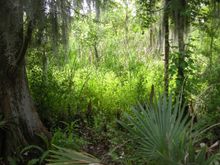
At the Barataria Preserve, guests can stroll along boardwalks and dirt trails to explore the park's 23,000 acres of bayous, swamps, marshes and forests. It's an ideal place for bird watching – at least 200 species have been sighted here – and nature lovers delight in spotting alligators and wildflowers. Guests can take a self-guided tour using the park service's printed map, or they can take a cell phone tour using codes posted at points of interest. In addition, rangers offer wetlands walks at 10 a.m. every Wednesday through Sunday and special talks at 2 p.m. on those same days; topics for these walks and talks vary.
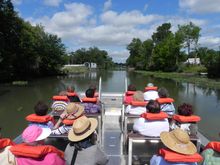
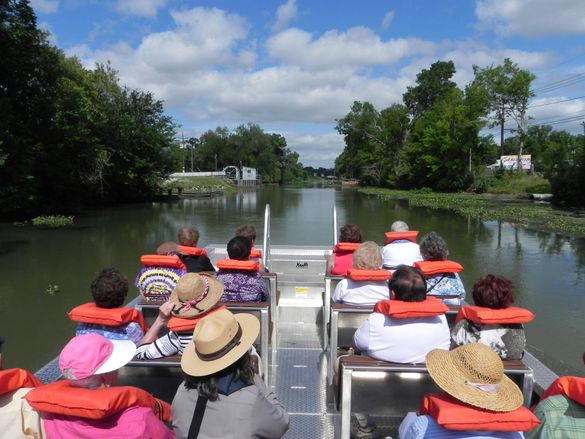
At the Wetlands Acadian Cultural Center, visitors can gain a better understanding of the lives of the Acadians (also known as Cajuns), a people who settled in Louisiana in the 1700s after they were driven out of Canada by the British. The cultural center's exhibits and films explore the Acadians' cuisine, clothing, religion, recreation and home life. The center hosts a free Cajun music jam session on Monday nights from 5 to 7 p.m., and visitors are welcome to listen or even bring an instrument and play along with local musicians. On Tuesday nights the center hosts “Cercle Francophone” from 5:30 to 7 p.m., during which participants are encouraged to speak French as a way of keeping the language alive in Louisiana. Other special programs at the center include a free one-mile walking tour of the town of Thibodaux at 2 p.m. every Tuesday, Wednesday and Thursday, and fall and spring boat tours along Bayou Lafourche.
Chalmette National Battlefield and Chalmette National Cemetery are located in St. Bernard Parish, just six miles downriver from New Orleans. The battlefield boasts a visitor center that interprets the story of the Battle of New Orleans; through exhibits and films, visitors learn what Louisiana's citizens did to protect the United States from an attack by the British as the War of 1812 came to a close. On Fridays and Saturdays from 9 a.m. to 3:30 p.m., visitors can climb the 122 interior steps of the 100-foot obelisk that was built on the site to commemorate the battle. The visitor center also offers ranger talks every Tuesday through Saturday at 12:15 p.m. Visitors can access the battlefield via automobile, or by taking the Creole Queen cruise ship from downtown New Orleans.
Collectively known as the Louisiana Tourism Coastal Coalition (LTCC), the coastal parishes of Louisiana promote natural, recreational and cultural experiences to residents of and visitors to these parishes. The LTCC is also an advocate for the sustainable development of coastal communities and protection of the area's fragile wetlands. For more information, visit www.visitlouisianacoast.com.
###
Mindy Bianca
mindy@gilliesandzaiser.com
212-724-7783
Gillies and Zaiser
LTCC-02-May 2015