 06 Apr 2023
Tags: travel, Luxury Travel, Hotel, National Parks, US National Parks; National Parks, Summer, Sustainability, walking tours, biking tours, Train, Grand Canyon, Yellowstone National Park, Yellowstone, Camping, Death Valley National Park, Cruise, tour operators, family travel, Sustainable Travel, Hotels, Grand Canyon Railway, hiking

Sustainability is one of the hottest trends in the travel as globetrotters increasingly choose eco-friendly trips in an effort to reduce their footprint on earth. Indeed, the online travel agency Trip.com recently found that 79 percent of its customers considered sustainable travel to be vital and 63 percent of Marriott's loyalty members said environmental considerations have some impact on their travel planning.
The Xanterra Travel Collection, which manages a portfolio of travel companies, has long been committed to the preservation and protection of the environment with the goal of achieving “a softer footprint.” From its walking and biking vacations to its train trips, mule treks, and more, here are seven Xanterra-run travel experiences that make it easier than ever to ditch or minimize combustion and tread lightly on the planet.
Step by Step: Walking Vacations
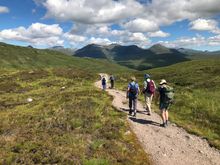
Walking is the best way to lower your carbon footprint and engage with a destination in a slow, low-tech way — on foot. Whether you're strolling the side streets of a tiny Italian village, hiking the mountain trails of Peru, or exploring the Abel Tasman Coast Track, one of New Zealand's “Great Walks,” you can only experience these on a walking tour, such as those offered by Country Walkers. They let you get up close and personal with the local landscape and culture, while reveling in the sights, sounds, and scents at ground level — without burning any energy but your own. From a heart-pumping trek along a glacier rim to a sedate stroll through country vineyards, what could be more eco-friendly than moving around on your own two feet?
On a Roll: Biking Vacations
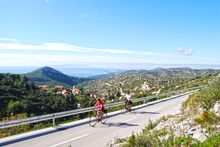
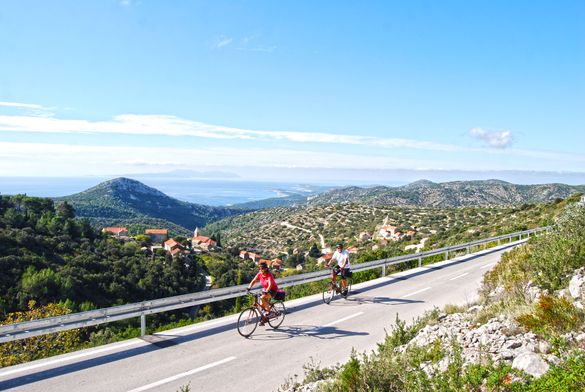
Just as low-combustion as walking, biking makes it easy to be green. With more than 51 million bicycle riders in the U.S., it's not surprising that enthusiasts are increasingly choosing cycling vacations, such as those offered by VBT Bicycling Vacations. They allow bikers to keep their carbon footprint low — and reap the many health benefits of propelling themselves along on two wheels. What's more, E-bikes are available on nearly all VBT itineraries as an added bonus. Among enticing VBT tours are California's Wine Country and the Pacific Coast, where you enjoy private tastings in vineyards set amid charming Spanish Colonial towns; Italy's Lake Como and the Italian Lake District, where you ride along sun-dappled lakes rimmed by alpine peaks; and Vietnam: Hanoi, Hue, Hoi An & Saigon, where you peddle along a quintessential landscape of fishing villages, palm forests, and rice paddies.
On Track: Train Tours
Not up for traveling on your steam? Then try the steam of a train engine. Hop aboard the historic Grand Canyon Railway, which has been serving the park since 1901. The best — and most eco-friendly — way to arrive at the national park's South Rim is by train from Williams, Ariz., a scenic 65-mile 2.5-hour route across the Colorado Plateau to the edge of the canyon.
Due to groundbreaking innovations, this train is now responsible for keeping about 50,000 cars outside of the park each year. You have French fry oil to thank for that. Consider that its two steam engines run on recycled waste vegetable and cooking oil collected from the Grand Canyon's own restaurants. Each round-trip journey yields a 25,000-pound reduction of C02 emissions compared to engines running on ultra-low sulfur diesel. What's more, the railway harvests rainwater and snowmelt to operate its steam locomotives, uses mostly biodegradable engine lubricants, and has almost entirely reduced hazardous waste by eliminating heavy solvents and other chemicals traditionally used for cleaning rail cars. So ride the rails for an unforgettable journey and help preserve the park in the process.
Saddle Up: Mule Treks
Once you arrive in Grand Canyon National Park, it's time to saddle up. This time on the canyon's equine of choice: the mule. Short of hiking down into the famous canyon or along its rim, the best low-impact alternative is by muleback. The Grand Canyon National Park Lodges offer an experience of a lifetime via guided rides on slow-moving mules, which combine the sure-footedness of a burro with the larger size and strength of a horse. Join the more than 600,000 people who have taken Grand Canyon mule rides since they were first offered in 1887. What a fun way to tread lightly while admiring this magnificent canyon, one of the Seven Wonders of the World.
Under the Stars: Camping Vacations
Choose the lowest-tech accommodations possible at another iconic national park, Yellowstone. Pitch a tent in the backcountry at one of four campgrounds in the park to immerse yourself in its exceptional natural beauty while remaining mostly off the grid. Ditch the RV and sleep under the stars at one of these:
- Madison Campground, known for great fishing and convenient to Old Faithful and the Upper, Midway and Lower Geyser Basins
- Grant Village Campground, located on the southwest shore of Yellowstone Lake
- Canyon Campground, centrally located in a beautiful wooded setting
- Bridge Bay Campground, near Bridge Bay Marina on Yellowstone Lake
Ahoy, Matey: Sailing Vacations
Set sail on one of Windstar's three classic sailing yachts — Wind Surf, Wind Star, and Wind Spirit — as you glide into small ports and intimate harbors with their tall sails billowing. Take advantage of nature's own renewable wind power. While the ships aren't powered by the sails alone, when the sails are used along with the engines, fuel consumption is significantly reduced vs. relying on the engines exclusively. And with just 148 or 342 guests each, these vessels already have a lower environmental impact than other larger cruise ships.
Low-Impact Lodging: Eco-Resort Vacations
Check into the beautiful Oasis at Death Valley and feel good about helping the planet. This eco-resort in the middle of the 3.4-million-acre Death Valley National Park is a leader in sustainable practices. They include the hospitality industry's largest solar photovoltaic system; high-efficiency, double-paned, gas-filled windows and doors; and light pollution reduction with “night-sky friendly” lighting in this Gold Tier Dark Sky National Park. Because the park averages less than two inches of rainfall each year, water from the resort's own natural springs is carefully recycled to feed two pools, water the golf course and gardens (planted with native drought-tolerant species), and eventually returned to nature's watershed. Even the golf course plays an ecologically sound role by using biodiesel from waste vegetable oil to fuel the lawn mowers, using natural dye on the dormant Bermuda grass in winter to reduce watering, and reducing pesticide usage by 84 percent.