 29 Apr 2021

Photo
29th April, 2021
How to Powwow in Canada - Virtual or not
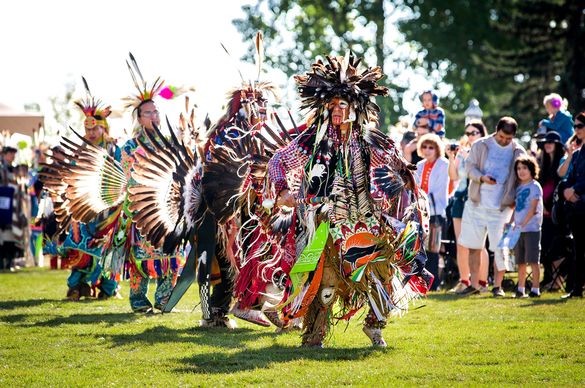
Summer in Canada is normally powwow season – a time for Indigenous communities to gather and honour their ancestors' traditions. According to Nahnda Garlow, a writer, powwow dancer and regalia artist from the Onondaga Nation Beaver Clan Dehatgahtos family at Six Nations of the Grand River, Ontario, “dancing is a ceremonial responsibility, a living emblem of thanks and demonstration of national dignity.”
What's in a name: An Anglicized version of the Algonquian term “pau-wau” – referring to a gathering of spiritual leaders or medicine men – powwow is held between one and four days and is usually open to Indigenous and non- Indigenous communities alike. Here, guests indulge in traditional food, watch or participate in lively dancing and songs, and practice spiritual healing and reconnection with the Earth.
From secret to virtual: Though the 1876 Indian Act once banned the practice, Indigenous peoples across Canada continued to host powwows in secret and actively petitioned for the right to practice traditional ceremonies openly; that section of the Act was finally amended in 1951. Many powwows are taking place virtually this year, so it's the perfect time to indulge your curiosity about this colourful cultural tradition.
Protocol matters: It's important to remain respectful of Indigenous customs by understanding the dos and don'ts of powwows before participating. In addition to being on time and dressing modestly, visitors should ask permission before taking photos and refrain from bringing drugs or alcohol – however, offering tobacco to an elder or dancer before asking a question is a sign of enormous respect. Pay attention to cues from the Master of Ceremonies, and don't be afraid to ask questions. And feel free to bring your children – powwows are a great place to introduce young people to Indigenous culture.
Celebrations of nations: Powwows are held on reserves and in urban centres across Canada, each differing according to the customs and culture of the host nation. Some are competitive: for example, in Winnipeg, Manitoba, last year's Manito Ahbee Festival kicked off with a virtual powwow featuring clips of dancers performing outdoors in their homeland. Judges were assigned to a number of categories, with the winners announced online. In Calgary, Alberta, the Calgary Stampede powwow (currently scheduled for July 11-13) draws visitors worldwide to watch competitors from the Elbow River Camp, home to the Siksika, Piikani, Kainai, Tsuut'ina and Stoney Nakoda First Nations. In Wikwemikong, Ontario, the Wiikwemkoong Annual Cultural Festival (currently scheduled for July 31 – August 2) is the largest and longest-running powwow in northeastern North America. The event features arts and crafts, a dazzling dance competition, traditional cuisine, and engaging cultural experiences that reflect the history and traditions of the Confederacy of the Three Fires, a longstanding Anishinaabe alliance of the Ojibwe, Odawa and Potawatomi nations.
Community ties: Traditional powwows are generally small community celebrations, much like family picnics, with dancing, drumming, storytelling and always plenty of food. South of Winnipeg, Manitoba, the New Directions' Opikihiwawin Traditional Powwow, held annually in September, celebrates the last days of the season with drumming and dancing by performers dressed in resplendent regalia, with options for visitors to camp overnight. Along Bras d'Or Lake on Eastern Cape Breton Island, Nova Scotia, the Eskasoni Powwow (currently scheduled for June 2021) features hundreds of dancers adorned in traditional regalia. The powwow is organized by the Mi'kmaq people of Eskasoni, whose ancestors are famed for the historical petroglyphs seen across the East Coast. Also in Eastern Canada, in Fredericton, New Brunswick, the Sitansisk (St. Mary's) First Nation powwow (2021 dates to
be determined) welcomes visitors to listen to the voices of the ancestors of the Wolastoqiyik nation through performances, competitions and ceremonies. In Ottawa, Ontario, the Summer Solstice Indigenous Festival introduced a virtual edition in 2020 that featured a socially distanced powwow, in partnership with the Social Distance Powwow Facebook group, encouraging performers to share their creator-given talents online. And in Wendake, Quebec, the Wendake International Powwow (scheduled for June 25-27) celebrates the culture of the Huron-Wendat nation through dance and drum competitions, cuisine, arts and crafts, and children's activities.
Discover the full list of this years activities complied by the Indigenous Tourism Association of Canada so you can keep track of them virtually : https://canadianpowwows.ca/
Readers looking for more information should go to www.explore-canada.co.uk
Photo Credits :
1) Heritage Park, Alberta, Credit Government of Alberta
2) Manito Ahbee Festival, Credit Travel Manitoba
For more media information please contact Ms. Nim Singh, Media and PR Manager, Destination Canada, care of singh.nim@destinationcanada.com (not for publication)