 14 Oct 2020

More Than 1,800 Hong Kong Businesses Plan to Adapt New Anti-Epidemic Measures
HONG KONG / LOS ANGELES – The Hong Kong Tourism Board (HKTB) announced today the launch of a standardized COVID-19 hygiene protocol in partnership with the Hong Kong Quality Assurance Agency (HKQAA), one of the leading conformity assessment bodies in the territory, providing unified guidelines on hygiene and anti-epidemic measures for tourism-related industries.
At more than 1,800 businesses and outlets that have expressed interest in adapting the new protocol, customers will easily be able to recognize and understand the measures in place across tourism-related sectors and bolster visitors' confidence in traveling to Hong Kong upon the resumption of inbound travel. To help relieve the finance burden, the HKTB also will fully sponsor application fee for qualified businesses.
Hong Kong has led the way in introducing anti-virus measures since the beginning of the COVID-19 outbreak, with citizens and businesses working together to adopt some of the world's most stringent hygiene measures. Businesses in the tourism sector have been particularly active in implementing hygiene measures supported by advanced cleaning technologies into their daily operations.
“The COVID-19 pandemic has brought a new normal to the tourism landscape, and public health and safety have become a priority for visitors,” said Dr. YK Pang, Chairman of the HKTB. “Many international travel and tourism organizations have already put in place hygiene and anti-epidemic guidelines, and standardising hygiene measures for each sector can spread to visitors the message that Hong Kong values its commitment to hygiene and safety.”
The protocol will cover shopping malls, hotels, tourism attractions, restaurants, retail stores, coach companies, travel agencies, MICE (Meeting, Incentive, Convention and Exhibition) venues and more. Participating businesses and outlets are required to comply with a series of hygiene and anti-epidemic measures (see Appendix). After passing the assessment, details of the businesses and outlets will be uploaded to a dedicated website of the HKQAA. The businesses and outlets can display a designated logo for recognition to show their commitment to the protocol. The HKQAA will conduct random visits for continued inspections.
“During the development of the standardised protocol, the HKQAA referred to the guidelines by the Center for Health Protection and the Food and Environmental Hygiene Department,” said Ir C. S. Ho, Chairman of the HKQAA. “We aim to promote best practices for hygiene and anti-pandemic measures across tourism-related sectors and acknowledge their efforts in combating the pandemic through professional and impartial third-party verification, thus restoring public confidence in out-of-home consumption and travel.”
The HKTB is currently working with the Hong Kong SAR Government and the tourism industry to prepare for the resumption of travel to Hong Kong and aims to welcome visitors back with an assortment of exciting experiences and attractive offers.
# # #
Images
| Image Captions: | |
|
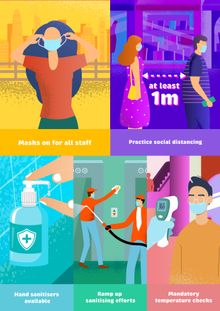
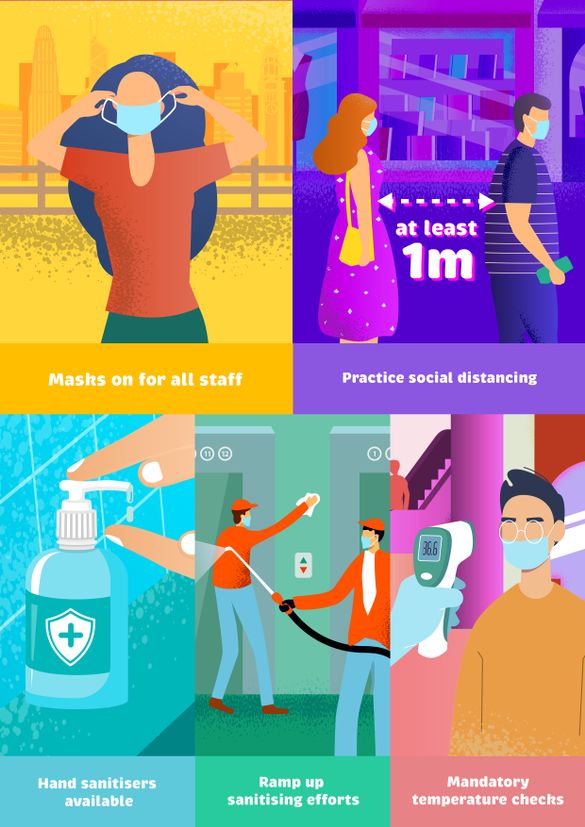
Hong Kong has led the way in raising levels of hygiene and safety since the COVID-19 outbreak first began with the public sector, citizens, and businesses working tirelessly together to promote social distancing, mandatory face masks, regular hand sanitizing, and temperature checks. |
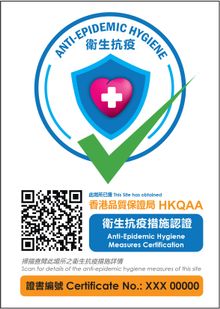
After passing the assessment, the businesses and outlets can display a designated logo at their premises to show their commitment to the hygiene and anti-epidemic protocol. |
Media Contact:
Bryan Hansen | PR Manager
Hong Kong Tourism Board, USA
323-938-7265 | bryan.hansen@hktb.com
Appendix
Setting a standardized hygiene protocol for tourism-related sectors
Objectives
- While the tourism industry and related sectors have already taken various measures to improve hygiene and anti-epidemic standards, a standardized protocol can help the public easily recognize businesses with such measures in place and spread the message to visitors that all sectors in Hong Kong are committed to maintaining a high level of hygiene and safety.
Development of measures
- The Hong Kong Quality Assurance Agency (HKQAA) has taken reference from guidelines established by the Centre for Health Protection of the Department of Health and Food and Environmental Hygiene Department. The measures were developed according to each sector's operational procedures after consulting the trade.
Requirements
- Participating organizations are assessed on a site-based approach.
- Participating organizations are required to appoint a person in charge of implementing and monitoring the execution of the designated hygiene measures.
- When an organization submits an application, the HKQAA will conduct an unannounced on-site assessment within 30 days to verify the implementation of the measures committed to.
- To ensure transparency and allow public monitoring, all details submitted by the qualified organizations will be uploaded to a designated website. The initiative is effective for one year.
- The HKQAA will conduct random spot checks to determine whether the participating organization has properly implemented the hygiene measures committed to.
Further details
- The initiative will be launched in two phases. Opening for applications of 8 October, the first phase covers tourism-related sectors including hotels, shopping malls, tourist attractions, inbound tour operators, and retailers and eateries under the Quality Tourism Services (QTS) Scheme. The next phase will be extended to cross-boundary coach companies, tour coach companies, meeting, incentive trips, convention and exhibition (MICE) venues and other retailers and eateries.
- To help businesses in the trades at this difficult time, the HKTB will fully sponsor the application fees for qualified businesses.
List of hygiene and anti-epidemic measures
Restaurants
|
1. |
All staff must have their temperature checked and must wear a surgical mask. |
|
2. |
Provide patrons with hand hygiene amenities, such as 60%–80% alcohol-based hand sanitiser or disposable alcohol wipes. |
|
3. |
Display visible notices, and make announcements or add markings at queuing or waiting areas to remind patrons and staff to maintain good personal hygiene and physical distancing. |
|
4. |
Arrange tables for use by patrons in a way to ensure there is a distance of at least 1.5 meters or some form of partition that can serve as an effective buffer between tables. The height of the partitions should be at least above head level of patrons when seated, and the partitions should preferably be enclosed on three sides, leaving only the side on which a patron is seated open. |
|
5. |
Ensure good indoor ventilation of up to six air changes per hour, non-recirculating, if feasible; or use air filtration and disinfection equipment. |
|
6. |
Clean and disinfect surfaces that come into contact with food, such as tableware, as well as frequent touch points, such as door handles, table tops and food trays. In particular, table top areas (including the partitions) should be cleansed and disinfected before the following batch of patrons are seated at the same facilities. |
|
7. |
Frequently clean and disinfect areas such as kitchens, food rooms, scullery rooms and the seating area by applying 1:99 diluted household bleach or equivalent disinfectant or higher standard to keep them clean and properly maintained. |
|
8. |
Staff tasked with setting tables and serving food and drinks must be separate from staff assigned to collect used utensils and clean tables. If this is not practicable, the staff concerned must wash their hands, use hand sanitizers or change gloves before handling food or drinks again. |
|
9. |
Encourage patrons to use contactless payments, such as credit cards; or staff handling cash must wash their hands, use hand sanitizers or change gloves before switching to another task (e.g. setting tables, serving food and drinks, or collecting used utensils and cleaning tables). |
|
10. |
Keep the toilets clean and dry. Ensure the flushing system and hand-drying machines (if applicable) are functioning properly. Ensure the water traps are filled with water (including U-shaped water traps, bottle traps and anti-syphon traps), and provide liquid soap and disposable paper towels for hand washing and drying. Clearly display handwashing signs next to the basins (applicable only to restaurants with toilets). |
Shopping malls
|
1. |
All staff must have their temperature checked and must wear a surgical mask. |
|
2. |
Display clearly visible notices, make announcements or add markings at queuing or waiting areas to remind patrons and staff to maintain good personal hygiene and physical distancing. |
|
3. |
Provide hand hygiene amenities, such as 60%–80% alcohol-based hand sanitizer, in public areas of the mall. |
|
4. |
Regularly clean and disinfect frequently touched surfaces, such as furniture, commonly shared items and floors, with 1:99 diluted household bleach or equivalent disinfectant or higher standard, and then rinse with water and wipe dry. Disinfect metallic surfaces with 70% alcohol. |
|
5. |
Clean and wipe frequently accessed areas, such as lifts, escalators, lobby entrances, waiting areas, corridors, security guard kiosks, information counters and lounges, at least twice a day and when visibly soiled. |
|
6. |
Clean and wipe frequently touched surfaces, such as buttons, handrails, handles and chairs, at least twice a day and when visibly soiled. |
|
7. |
Thoroughly clean up rubbish and waste stored in the refuse room every day. Clean and wipe the refuse room, rubbish bins and related facilities at least twice a day. |
|
8. |
Clean the exhaust fans or ventilation systems in the lifts regularly and keep them in good condition. |
|
9. |
Ensure the air-conditioning system is functioning well, with sufficient fresh air supply. Clean the air filters and ducting regularly. |
|
10. |
Keep the toilets clean and dry. Ensure the flushing system and hand-drying machines (if applicable) are functioning properly. Ensure the water traps are filled with water (including U-shaped water traps, bottle traps and anti-syphon traps), and provide liquid soap and disposable paper towels for hand washing and drying. |
Retail
|
1. |
All staff must have their temperature checked and must wear a surgical mask. |
|
2. |
All patrons must have their temperature checked at entrance and must wear a surgical mask. Those with fever should be denied entry. |
|
3. |
Provide hand hygiene amenities, such as 60%–80% alcohol-based hand sanitizer, in public areas. |
|
4. |
Regularly clean and disinfect frequently touched surfaces, such as furniture, commonly shared items and floors, with 1:99 diluted household bleach or equivalent disinfectant or higher standard, and then rinse with water and wipe dry. Disinfect metallic surfaces with 70% alcohol. |
|
5. |
Clean and wipe frequently touched surfaces, such as handrails and door handles, at least twice a day and when visibly soiled. |
|
6. |
Ensure the air-conditioning system is functioning well, with sufficient fresh air supply. Clean the air filters and ducting regularly. |
|
7. |
Display clearly visible notices or make announcements to remind patrons to maintain good personal hygiene and physical distancing. |
|
8. |
Ensure staff have sufficient knowledge of epidemic prevention by providing appropriate training or information. |
|
9. |
Encourage patrons to use contactless payments, such as credit cards; or staff handling cash must wash their hands, use hand sanitizers or change gloves before switching to another task. |
|
10. |
Clean and disinfect products made available for customers to try with 1:99 diluted household bleach or equivalent disinfectant or higher standard (if applicable). |
Hotels
|
1. |
All staff must wear surgical masks and maintain good personal hygiene, and must have been trained in dealing with guests with symptoms of respiratory tract infection. |
|
2. |
Provide hand hygiene amenities, such as 60%–80% alcohol-based hand sanitizer in common areas and prepare extra surgical masks for guests. |
|
3. |
Remind guests to wear surgical masks in the common areas of the hotel. |
|
4. |
Clean and disinfect commonly touched surfaces, such as lift buttons, at least every two hours during in daytime. |
|
5. |
Clean and disinfect the common areas, such as the hotel lobby and common toilets, with 1:99 diluted household bleach or equivalent disinfectant or higher standard at least twice a day. |
|
6. |
Ensure the rooms are well ventilated, and change or clean the ventilation system filters regularly. |
|
7. |
Clean the carpets, curtains and furnishings regularly. |
|
8. |
Ensure the drainage systems (e.g. U-shaped water traps, bottle traps and anti-syphon traps) are filled with water. |
|
9. |
Keep record of staff rosters and guests who have stayed in the hotel, with relevant information, such as guests' period of stay. |
|
10. |
Make any arrangements deemed necessary for guests to seek medical care to help prevent the spread of infection. |
Tourist attractions
|
1. |
Control capacity. |
|
2. |
Staff must wear surgical masks and maintain good personal hygiene, and must have been trained in dealing with visitors with symptoms of respiratory tract infection. |
|
3. |
All visitors must wear surgical masks. |
|
4. |
All visitors must have their temperature checked. Those with fever should be denied entry. |
|
5. |
Display clearly visible posters, make announcements or add markings at queuing or waiting areas to remind visitors to maintain physical distancing. |
|
6. |
Provide hand hygiene amenities, such as 60%–80% alcohol-based hand sanitizer, at the entrances and exits of public areas. |
|
7. |
Provide a designated area equipped with a thermometer for handling sick visitors. |
|
8. |
Clean and disinfect frequently touched surfaces, such as furniture, commonly shared items, and floors at least once a day using an appropriate disinfectant. Disinfect non-metallic surfaces with 1:99 diluted household bleach or equivalent/stronger disinfectant, and then rinse with water and wipe dry. Disinfect metallic surfaces with 70% alcohol. |
|
9. |
Display notices or make announcements to remind visitors to perform proper hand hygiene after touching commonly shared items or amusement rides (if applicable). |
|
10. |
Keep toilets clean and dry. Ensure the flushing system and hand-drying machines (if applicable) are functioning properly. Ensure the water traps are filled with water (including U-shaped water traps, bottle traps and anti-syphon traps), and provide liquid soap and disposable paper towels for hand washing and drying (if applicable). |
Inbound tour operators
|
1. |
Frontline staff, such as tour guides, drivers and tour leaders, must check and record their body temperature before starting work. Staff must not continue to work if they are feeling unwell. |
|
2. |
Frontline staff, such as tour guides, drivers and tour leaders, must wear surgical masks during the tours (except during meals). |
|
3. |
All visitors meeting at rally points, such as the airport, hotels and transportation boarding points must have their temperature taken before the start of the trip. No one who feels unwell or has fever should be allowed to join the group. |
|
4. |
Prepare surgical masks for visitors at each contact point (tour coach, airport, etc.). |
|
5. |
Prepare 60–80% alcohol-based hand sanitizer or disposable alcohol wipes for visitors to use at every stop to be visited during the tour. |
|
6. |
Disinfect all used equipment, such as microphones and earphones, after completing the daily itinerary. |
|
7. |
Encourage visitors to use electronic receipts/tickets during the tour. |
|
8. |
Select suppliers (coach companies, restaurants, hotels, etc.) that have adopted adequate safety and epidemic-prevention measures. |
|
9. |
All visitors are required to wear surgical masks at all times during the tour (except during meals). |
|
10. |
Keep a list of tour members with their contact information. |