15 Feb 2018
Tags: Oman, History, Culture, ancient history, Forts and Castles, muscat, salalah, sur

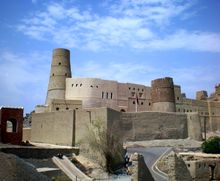
The majestic forts, castles, ancient gates and walls have long told a story of its heritage but the recent emergence of numerous archaeological sites shows the evolution of a nation that spans over five thousand years.
Home to seven sites featured on UNESCO's World Heritage List, there is no shortage of tales drawn from ancient history, myth and legend.
Here are four ways to immerse yourself in the real essence of Arabia and follow in the path of legends of history from explorers such as Sinbad the Sailor and Marco Polo to the Queen of Sheba.
- Follow the Frankincense Trail
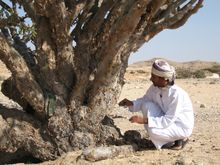
Follow the scent of Frankincense as it wafts through the air from the rooftops of Muscat to the alleyways of the Nizwa souk. This highly prized commodity- once more valuable than gold- is harvested in the south in Oman's Dhofar region.
Located on the southern misty coast of Oman, Salalah is the heart of the region. A city steeped in the ancient myths and antiquities that surrounded the frankincense trade, Salalah is fringed with pristine beaches, shady palm trees and sun-kissed waters. During the Khareef season, Salalah becomes a popular Omani summer retreat.
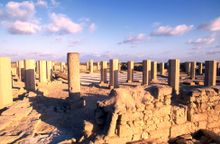
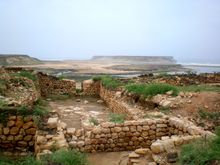
Dating back to 3,000 BC, the ruins of Sumhuran are alleged to have sheltered the summer palace of the Queen of Sheeba. Sumhuran – now a UNESCO World Heritage Site – was also once the commercial centre for storing frankincense.
At the centre of the ancient trade was the Lost City of Ubar, (170 kilometres north of Salalah) Not only was Ubar believed to have been the commercial hub for trading Arabian horses, the city was also used for storing and shipping the prized gum resin to the Greeks, Romans and Persians.
- Scale Imposing Forts and Fairytale Castles
Back in the North, the dizzying heights of restored Omani castles and forts - built by some of the finest architects and engineers of their time are a sight to behold.
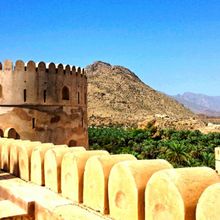
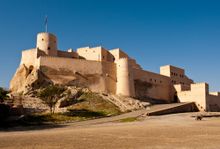
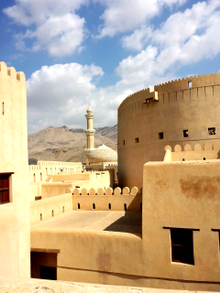
Nizwa was Oman's capital during the 6th & 7th centuries A.D and its fort is one of the most impressive and well-known in the country. Nakhal Fort is also stunning. Perched atop a craggy plateau overlooking a green valley it history dates back to the pre-Islamic era. Walk along the stone walls, take a peek at the old wali's (ruler) living quarters, or climb the tallest tower for spectacular views in every direction. Just 100 km south west of Muscat, Nakhal Fort can be visited on a day trip or en route to Oman's majestic mountains.
Only 20 minutes from Nizwa, the small oasis town of Jabrin is famous for its magnificent castle, built in 1670 by Imam Bil'arab bin Sultan, who lies buried in the crypt. The stately turrets, secret passageways, painted ceilings and carved wooden furniture are straight out of The Arabian Nights.
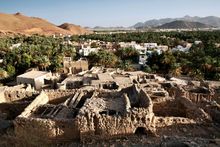
Also close to Nizwa nestled at the base of the magnificent Hajar Mountains are the ruins of Tanuf. Abandoned 60 years ago, these beautiful stone ruins are dramatic and haunting - perfect for a day of exploration.
- Meander through ancient villages
In between the forts and castles take the time to meander through one of the tiny hamlets and villages that dot the countryside around precious water sources that sustain them. Some cling to hillsides, others thrive in valleys and on plains. Wander through the cool, shaded walkways and winding alleys that lead visitors along paths the locals have trodden for centuries.
The idyllic and ancient village of Misfah Al Abreeyan emerges from an oasis of green against a striking mountainous backdrop. Overlooking a winding gorge, this unspoiled village has remained largely unchanged for centuries. Explore its narrow lanes, listen to the sound of cool water rushing through the 'falaj' channels, and relax in the shade of lush date palms.
Settlements all over Oman have long used the networks of narrow stone channels, called falaj, to irrigate fields and deliver cool drinking water. These ingenious, UNESCO world Heritage listed systems use gravity to divert mountain streams and underground springs to the villages. The falaj systems are democratically maintained and date back thousands of years.
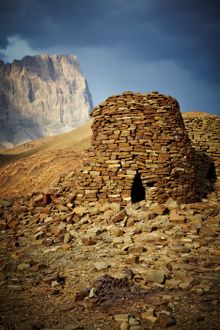
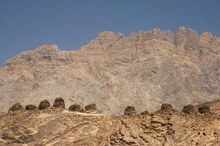
The beehive tombs at Bat are the crown jewel of the world's best preserved proto-historic site dating back to the third millennium BC. Play archeologist as you wander among these Bronze Age towers and tombs, and catch a fascinating glimpse into an ancient civilization.
- Sail the Seas
No trip to Oman is complete without a cruise in a Dhow. Dhows are as much a part of the country as Frankincense, or the sand on its beaches and these ships were instrumental in establishing Oman's maritime dominance in the ancient world.
Three-hundred kilometres south of Muscat sits the seaside town of Sur where today the stone towers keep watch over the dhows sailing in the crystal-clear bay but this was once the centre of Oman's seafaring heritage.
This extends back centuries to when Omani sailors established major sea routes to cities of the ancient world with the earliest recording of an Omani dhow reaching China for trade in the 8th century. Today you can visit one of the dhow yards still making these vessels which are still used all over the country.