 01 Jun 2015

As more than 1,300 trade buyers and nearly 500 international and domestic media descend upon Orlando for IPW 2015, Florida showcases the natural side of the Sunshine State: the River of Grass spanning the Florida peninsula from coast to coast, the only living coral reef in the continental United States, and the nation's southernmost islands, among the state's many other natural wonders.
Florida invites IPW attendees and future international visitors to explore and celebrate natural Florida in conjunction with the 100th anniversary of the U.S. National Parks Service in 2016. America's National Parks are legend, drawing visitors from around the world. As tropical counterpoints to the nation's grand mountains, canyons and glaciers, Florida's nationally designated parks, preserves and seashores attract nearly 11 million visitors a year, indicating that for Florida's 98.9 million visitors in 2014, the state's natural attractions were an important part of visitors' travel experiences.
“Visitors to our world class cities enjoy fine dining, shopping and nightlife. But just beyond the tropic cityscape, Florida's National and State Parks include beaches, waterways and thrilling wildlife,” said Paul Phipps, chief marketing officer for VISIT FLORIDA. “For example, minutes from Miami Beach, the scenic and wild canvas of the Everglades can be experienced aboard an airboat adventure. We encourage everyone to take advantage of how accessible our natural wonders are throughout the state.”
Florida's National Parks
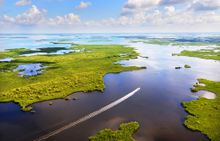
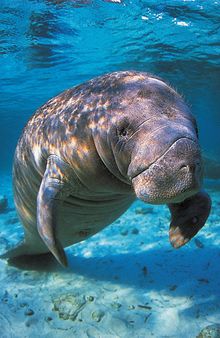
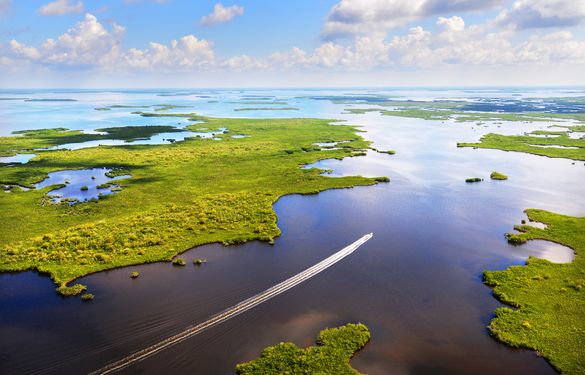
The Everglades: Out of the three National Parks in Florida,the environmental crown jewel of Florida is Everglades National Park, unique to the planet with millions of acres of tropical, watery grasslands, mangroves and ecosystems that nurture myriad species of wildlife. Here, visitors may see endangered species that thrive in the wilds of the Everglades: manatees, sea turtles, Florida panthers, long-legged birds such as the blue heron, ghost orchids, and thousands of other wild plants and animals. With an estimated 1.25 million alligators in Florida, many of them can be spotted in EvergladesNational Park.
Coral Reefs: In waters just offshore are the only living coral reefs in the continental United States. In otherworldly shapes and colors, Florida corals are home to countless species of sea life, protected within Biscayne National Park.
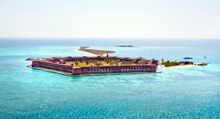
Islands: To the south is Dry Tortugas National Park, within the famous chain of islands called the Florida Keys. Also on site, visitors can take a step back in history at FortJefferson, built between 1846 and 1875 to protect shipping along the Straits of Florida and the Gulf of Mexico, among other strategic needs.
Seashores: Lesser known yet magnificent are Canaveral National Seashore, which includes 25 miles of Florida's Atlantic coastline, and Gulf Islands National Seashore, the longest tract of protected seashore in the nation. These two seashores offer miles of pristine sand, sea oats and sea grapes with coastal views that stretch to the horizon. Dolphins and manatees thrive in the waters here, and sea turtles return year after year to nest on the shores.
Florida's Other Nationally Designated Recreational Sites:
- Big Cypress National Wildlife Refuge, in and around CollierCounty in southwest Florida, is one location where the roaming Florida panther can be spotted.
- Timucuan National Preserve, in northeast Florida, once home to the native Timucuan people and a treasure of natural and archaeological history.
- Castillo de San Marcos National Monument, a Spanish fort in St. Augustine, on Florida's northeast coast, which is the oldest European-settled city in the nation, founded a half-century before Jamestown and Plymouth.
- De Soto National Memorial, in Bradenton on Florida's central GulfCoast, commemorating Spanish explorer Hernando De Soto's 4,000-mile expedition in Florida, which began in TampaBay in 1539.
- J.N. “Ding” Darling National Wildlife Refuge, near Sanibel Island, is renowned for birding and other wildlife-watching
The National Park Service invites visitors to these and other parks to share their experiences using #FindYourPark.
Florida's State Parks
Complementing the National Parks, 171 Florida State Parks received more than 27 million visitors in 2014. Maintained by the Florida Department of Environmental Protection and the Florida Park Service, Florida's State Parks include nearly 800,000 acres of land, 100 miles of Florida's 825 miles of beaches, and more than 2,000 miles of hiking, biking and equestrian trails.
Highlights include Florida Caverns State Park, featuring natural limestone caverns; John Pennekamp State Park, the nation's first undersea park; Crystal River Preserve State Park, where visitors can observe manatees; and Wakulla Springs State Park, home of one the nation's largest freshwater springs.
“The department is eager to share its State Parks and natural treasures,” said Donald Forgione, director of the Florida Park Service. “We are committed to helping our citizens and visitors discover and explore our natural resources here in the SunshineState.”
Accessible National and State Parks
Florida provides visitors with comforts and amenities within manageable miles of its wilderness areas. These include gateway destinations, Five Star resorts and world-renowned theme parks.
- An hour's drive from the glitz and glamor of Miami Beach, visitors can take an airboat tour in EvergladesNational Park.
- Only a two hour car ride from Pensacola, home to the dare devil stunts of the Blue Angels, FloridaCavernsState Park is an easy afternoon trip in Northwest Florida.
- Just under three hours from Tampa's YborCity, J.N. “Ding” Darling National Wildlife Refuge is a drivable distance for serious birding.
- Two hours south of Miami's art deco architecture, visitors can reach JohnPennekampState Park for an underwater adventure.
- Attracting visitors to theme parks and attractions, Orlando provides a central home base for visitors to explore National and State Parks in every direction throughout the SunshineState.
National Geographic, the world's authority on natural wonders, in 2014 documented 50 natural wonders in Florida by land and by sea, creating an online hub that set a record for viewership. Presently, Nat Geo writers and photographers are on assignment throughout the SunshineState to record the wild splendor of Florida's National Parks and its neighboring State Parks, which vastly extend the reach of Florida's wilderness. The new content will debut on NationalGeographic.com in October.
To learn more, visit VISITFLORIDA.com/trails, National Parks Service: Florida, FloridaStateParks.org, and NationalGeographic.com/Travel/Florida.