 17 Mar 2014

Florida Keys & Key West Facts
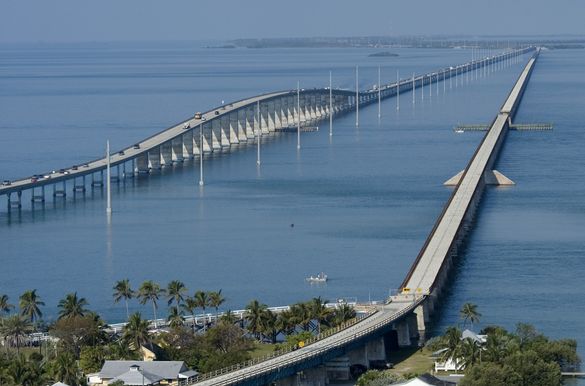
- A 125-mile-long chain of islands that begins just south of Miami, the Florida Keys are connected by the Florida Keys Overseas Highway's 42 bridges over water — one almost seven miles long — over the Atlantic Ocean, Florida Bay and the Gulf of Mexico.
- In 2009, the famed highway was designated an All-American Road, the highest recognition possible under the National Scenic Byways program established by the U.S. Congress.
- The Keys have a subtropical climate with warm, balmy temperatures year-round, and even January and February are characterized by high temps in the 70s and clear skies.
- The Florida Keys are divided into five regions: Key Largo, Islamorada, Marathon, Big Pine and the Lower Keys, and Key West.
- Green mile markers along the Overseas Highway, descending in order from 126 near Florida City to 0 in Key West, often are used as address locators between Florida City and Key West.
- Paralleling the Florida Keys is continental America's only contiguous living coral barrier reef.
- The coastal waters of the entire island chain, including its shallow water flats, mangrove islets and coral reefs, have been designated the Florida Keys National Marine Sanctuary. The Sanctuary encompasses approximately 2,900 square miles.
- Key Largo is known as the Dive Capital of the World and is home to John Pennekamp Coral Reef State Park, America's first underwater preserve and predecessor to the sanctuary.
- Islamorada is known as the Sport-Fishing Capital of the World, where backcountry sport fishing and saltwater fly-fishing were pioneered. According to the International Game Fish Association, more saltwater world records have been established in the Keys than any other location on the globe.
- Marathon is famous for the Seven Mile Bridge (actually 6.79 miles long), opportunities to interact with dolphins and the Turtle Hospital, America's only state-licensed veterinary center dedicated to treating sea turtles.
- Big Pine and the Lower Keys feature a national refuge for miniature Key deer, where the species has come back from near-extinction to a thriving population. It also is home to the annual Lower Keys Underwater Music Festival, held each July at Looe Key Reef.
- Key West, the southernmost populated island in the Florida Keys, lies about 150 miles from Miami but only 90 miles from Havana, Cuba — and the 2-by-4-mile island features the southernmost point in the continental United States.
- Key West has been home to such literary greats as Ernest Hemingway and Tennessee Williams, who wrote some of their best-known works while living on the island.
For more Florida Keys & Key West travel information, including electronic brochures and videos, visit the Keys website at www.fla-keys.com. Keys social media sites include facebook.com/floridakeysandkeywest, twitter.com/thefloridakeys and youtube.com/floridakeystv. For personal service, call toll-free in the U.S. and Canada, 1-800-FLA-KEYS (800-352-5397).
###