20 Apr 2021

20th April,2021
Earth Day News From Across Canada
Protecting wildlife
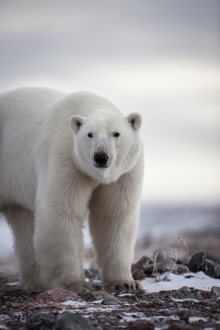
Recent surveys from two of the world's 19 polar bear subpopulations show polar bears in some parts of Canada are getting fatter and increasing their numbers. Thanks to ongoing recovery efforts, polar bears in the M'Clintock Channel (716 bears) and Gulf of Boothia (1,500 bears) in Nunavut are responding well to changes in Arctic sea ice. These boosts are due, in part, to good adaptive management by governments and local Inuit communities. However, with Arctic ice predicted to continue disappearing over the coming decades – including potential ice-free summers as early as 2030 – the impact on the Arctic marine ecosystem and polar bears will be monumental.
Also in the north, in the Northwest Territories, a new government plan was introduced to address the dramatic decline of barren-ground caribou (also known as reindeer). For centuries, these animals have provided food, clothing and cultural identity to Indigenous peoples; their droppings also add critical nitrogen to tundra soil and water. Much like humans, the caribou are suffering the effects of climate change, which has altered their habitat and prevented them from accessing food. For now, visitors to the Northwest Territories can view the majestic caribou on an excursion with Tundra North Tours, an Inuit company that showcases the region's wildlife, northern lights and traditional culture on a series of full- and multi-day packages.
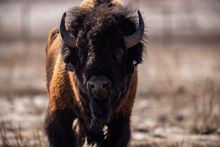
In Saskatchewan, bison have been reintroduced to Wanuskewin Heritage Park, a gathering place of Indigenous peoples for more than six centuries. The park is undergoing a $40-million revitalization with the goal of achieving UNESCO World Heritage Site designation; the new herd of bison is a key component, with conservation efforts successfully re-populating bison numbers across the continent, including several of Canada's national parks. For now, visitors can take a guided bison tour at Wanuskewin, along with plant and archaeology walks that showcase the rich biodiversity of the region.
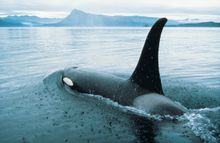
With the goal of developing a warning system to prevent ships from fatally striking endangered orcas, researchers from Simon Fraser University (Vancouver, BC), Dalhousie University (Halifax, Nova Scotia) and Carleton University (Ottawa, Ontario) are “teaching” a computer to recognize the sound of killer whales. Marine biologists will identify the sounds of whale species and differentiate them from other noises such as waves and boats; artificial intelligence (AI) helps detect orcas through patterns in the data. The AI will “hear” whale calls and send real-time alerts to ships hours before the orcas are in their path, so they can slow down or change course. The project received $568,000 in funding from Fisheries and Oceans Canada.
Responsible tourism
Sustainable and regenerative winemaking Sustainable winemaking aims to protects the environment, supports social responsibility, and maintains economic feasibility. Canadian wines are dependent on natural resources for their solar energy, climate, water and soils, making sustainability an imperative. Across the country, vintners have turned towards winemaking that not only protects the environment but also regenerates it (by restoring soil health and sequestering carbon below and above ground). Organic wines (produced from certified organic grapes) are often seen on restaurant menus or poured at winery tasting rooms and bistros.
The Canadian wine industry is an important economic driver, contributing $9 billion to the economy and generating more than $1.5 billion in tourism revenue and employment. While wine is produced in most provinces and territories, BC and Ontario hold the lion's share: There are 228 wineries in BC and 183 in Ontario, with Ontario producing roughly 70 percent of Canada's total wine volume.
Distinguishing Canadian wine is an impressive range of varietals nurtured by geographic diversity, ranging from the warm, dry climate of BC's desert-like Okanagan Valley to the ocean surroundings of Nova Scotia, where vines grow in the remains of ancient seabeds. Canada also produces more icewines than the rest of the world combined, thanks to a cool climate that enables grapes to freeze on the vine naturally.
From LEED-certified tasting rooms and cellars to biodynamic viticulture (viewing the vineyard as a living entity), Canadian winemakers are committed to maintaining the integrity of the land while making luscious, attention-grabbing wines:
- In the countryside of Ottawa, Ontario, KIN Vineyards benefits from hot summer sun and soil made of clay loam over limestone, enabling the production of Burgundian wine with Napa Valley stylings. The vineyard donates to arts initiatives and environmental projects. In addition, a 30-kW solar power system on the roof offsets more than 11 tonnes of greenhouse gases per year.
- Monte Creek Ranch Winery, in the Thompson Valley, BC has earned a slew of eco certifications, with every aspect of the farm scrutinized to improve sustainability. Practices include honey sourced from resident bees; tractors that mobilize chickens to find fresh vegetation while leaving soil-friendly nitrogen and phosphorus-rich manure; and replacing plastic bags with paper alternatives.
- Piquette – made from leftover grape skins, seeds and stems – is low in alcohol (7 percent) and very sustainable, since it uses scraps from traditional winemaking. Benjamin Bridge, in Annapolis Valley, Nova Scotia is an excellent spot to try piquette (sold in eco-friendly cans).
- The Yukon's first commercial winery, Yukon Wines, produces eco-conscious wines starring antioxidant-rich haskaps (also known as honeysuckle or honeyberry). The company practices sustainable farming, with one of its two farms certified organic and both pesticide-free, and clean energy practices incorporated. It also hires emerging Yukon artists to design its labels.
Canada's biosphere reserves
Canada is home to 18 UNESCO-designated biosphere reserves, situated across the Atlantic and Pacific coasts in eight provinces and the Northwest Territories – all with varying geography, climate and culture diversity that demonstrate the country's vast personality.
The first reserve – Mont St. Hilaire in Quebec – was established in 1978, with the most recent – Tsa Tué BR in the Northwest Territories – designated in 2016. All 18 are special places that model solutions for a sustainable future, celebrate cultural and biological diversity, and empower people to engage with nature intimately and holistically. At biospheres across the country, experiential adventures and immersive accommodations offer visitors a tantalizing taste of the region:
- One of the most thrilling experiences in the magical Fundy Biosphere Reserve is witnessing the temperamental tides in the Bay of Fundy. From the park, visitors can see the dramatic effects of the tides on the shoreline and local weather, with the difference between high and low tide as much as 12 metres. When the massive tides recede, they leave behind a vast intertidal zone – endless mudflats where a wide variety of sea creatures make their home. Here, visitors can pull on rubber boots and pick their way through fields of mud, sand and seaweed to discover barnacles, rock crabs, dog whelk sea snails, limpets, periwinkles and other crustaceans – some of the hardiest sea creatures on earth. Current projects here include gathering and analyzing data on how the climate has evolved, and exploring how changes will impact Atlantic Canada as it continues to change.
- Trout Point Lodge is a quintessential luxury wilderness lodge in the Tobeatic Wilderness Area, situated in the heart of UNESCO Southwest Nova Biosphere Reserve. Canada's only member of Small Luxury Hotels of the World, the lodge is also the world's first certified Starlight Hotel by the UNESCO partner Starlight Foundation. Guests come here for guided stargazing and ecotourism vacations in a secluded location, where sustainable tourism practices are championed and implemented in meaningful policies and practices. Programs include an immersive forest bathing experience in the Acadian Forest, where guests stimulate their senses with a slow, mindful walk in the woods; and nightly stargazing excursions led by the staff astronomer, as well as astrophotography workshops and solar gazing during the day.
- The glamourous tent camps from the film Out of Africa inspired the design of Clayoquot Wilderness Resort, a Canadian Signature Experience situated in the Clayoquot Sound Biosphere Reserve in BC. Accessible by floatplane (45 mins from Vancouver) or 30-minute water taxi from Tofino, the resort has become one of the most sought-after wilderness retreats in the world, epitomizing the glamping experience in North America. It features 25 canvas prospector-style tents, each richly appointed with luxurious comforts like cast-iron stoves, ensuite bathrooms with heated floors, private outdoor showers, antique furnishings and luxurious linens. Featured activities include fishing, whale watching, horseback riding, hiking and kayaking, as well as opportunities to meet local Indigenous communities whose stories of the ancient rainforest have inspired one of the strongest conservation movements in Canada. In the surrounding reserve, the Clayoquot Biosphere Trust has implemented several sustainability and cultural initiatives, including Eat West Coast, a regional food security initiative that helps communities and organizations develop effective, community-based responses to food-access challenges and increase understanding of healthy, affordable food choices.
- The Beaver Hills Biosphere in Alberta is home to boreal forest and parkland, wildlife, lakes and streams, and several federal and provincial protected areas. One of these is Elk Island National Park, part of the Beaver Hills Dark Sky Preserve – one of the best places in the country to stargaze. Visitors can escape to this protected land and learn about the constellations while cozying up to a campfire, with winter bringing guided Snowshoe and Stargaze events. Indeed, sustainable- and nature-based tourism is a hallmark of the Beaver Hills Biosphere, with several opportunities to engage in Indigenous tourism, agri-tourism and adventure tourism.
Destination management
A new innovation hub in Victoria, BC is poised to elevate the region into a global leader of the $3 trillion blue economy. The City of Victoria, Association of BC Marine Industries and South Island Prosperity Partnership released a business-case report that lays the groundwork for development of an ocean economic ecosystem on Southern Vancouver Island, with work beginning in early 2021. Initiatives include establishing the region as a centre of excellence within Canada's Ocean Supercluster; connecting 50 existing Canadian companies with growth in high-tech ocean opportunities and developing 50 new startups in the ocean economy across Pacific Canada; developing 1,000 new jobs in the region; and creating a nation-wide venture fund with $250 million under management to support the ocean tech economy.
Toronto, Ontario-based architectural firm Partisans shared plans to transform Innisfil, a rural farming town, into a smart city of the future called Orbit. The envisioned community will marry rural lifestyles with the benefits of urban living, with innovative technology such as a network of fibre-optic cables that integrates streets and infrastructure with the internet and motion detector sensors; driverless cars; drone ports for last-mile delivery; and green rooftops citywide. Innisfil has a history of adapting to new technologies – in fact, it was one of the first areas to pilot Uber ride-sharing.
The Thompson Okanagan, BC is the first biosphere destination in the Americas, a certification that recognizes the quality, environmental sustainability and social responsibility of the region as a tourism destination. Recently, the Thompson Okanagan Tourism Association (TOTA) became a founding signatory with the Future of Tourism Coalition, an international coalition set on shaping the future of tourism by cultivating healthy, inclusive communities and environmental stewardship. Whether scaling the highest peak in the Canadian Rockies, wine tasting in Canada's only desert, or cross-country skiing along snowy winter trails, visitors are spoilt for choice when it comes to exploring the region's natural landscape.
Prince Edward Island's ambitions to become the first in Canada to reach net-zero emissions by 2040 have inspired sustainability efforts, including a first-of-its-kind climate research centre designed by Baird Sampson Neuert Architects and SableARC Studios. The net-zero energy-use Canadian Centre for Climate Change and Adaptation, part of the University of Prince Edward Island, will debut in 2021. Students attending the school can graduate with a Bachelor of Science in Applied Climate Change and Adaptation – the only degree of its kind in the world. The facility will also serve as a living laboratory for wetlands, forests and coastal habitats directly affected by climate change.
An Indigenous-owned solar farm in northeast Alberta – the largest project of its kind in Canada – brings increased energy independence to Fort Chipewyan, a community long reliant on diesel fuel. Opened in November 2020, the farm features 5,760 panels that will supply the community with roughly 25 percent of its energy needs. Previously, residents drew from a diesel power station; the farm will replace 800,000 litres of diesel per year, equivalent to some 2,376 tonnes of carbon emissions. The project is owned by Three Nations Energy, a joint venture of the Mikisew Cree First Nation, Athabasca Chipewyan First Nation, and the Fort Chipewyan Métis Association.
Inukjuak, Nunavut, is embarking on a four-year initiative to improve the community's well being through a greenhouse and social art program that promotes healthy habits around water and nutrition. The Pirursiivik Project (meaning “a place to grow”) represents a $2.7-million community investment from RBC Foundation and One Drop Foundation. In October, a project milestone arrived in the form of a hydroponic container farm adopted for the Arctic, which uses water instead of soil to grow produce. The innovative multifunctional infrastructure is the first of its kind in the North and will set a precedent for future greenhouse initiatives in Nunavik and across the Arctic.
Readers wanting more information should go to www.explore-canada.co.uk
Protecting wildlife
Recent surveys from two of the world's 19 polar bear subpopulations show polar bears in some parts of Canada are getting fatter and increasing their numbers. Thanks to ongoing recovery efforts, polar bears in the M'Clintock Channel (716 bears) and Gulf of Boothia (1,500 bears) in Nunavut are responding well to changes in Arctic sea ice. These boosts are due, in part, to good adaptive management by governments and local Inuit communities. However, with Arctic ice predicted to continue disappearing over the coming decades – including potential ice-free summers as early as 2030 – the impact on the Arctic marine ecosystem and polar bears will be monumental.
Also in the north, in the Northwest Territories, a new government plan was introduced to address the dramatic decline of barren-ground caribou (also known as reindeer). For centuries, these animals have provided food, clothing and cultural identity to Indigenous peoples; their droppings also add critical nitrogen to tundra soil and water. Much like humans, the caribou are suffering the effects of climate change, which has altered their habitat and prevented them from accessing food. For now, visitors to the Northwest Territories can view the majestic caribou on an excursion with Tundra North Tours, an Inuit company that showcases the region's wildlife, northern lights and traditional culture on a series of full- and multi-day packages.
In Saskatchewan, bison have been reintroduced to Wanuskewin Heritage Park, a gathering place of Indigenous peoples for more than six centuries. The park is undergoing a $40-million revitalization with the goal of achieving UNESCO World Heritage Site designation; the new herd of bison is a key component, with conservation efforts successfully re-populating bison numbers across the continent, including several of Canada's national parks. For now, visitors can take a guided bison tour at Wanuskewin, along with plant and archaeology walks that showcase the rich biodiversity of the region.
With the goal of developing a warning system to prevent ships from fatally striking endangered orcas, researchers from Simon Fraser University (Vancouver, BC), Dalhousie University (Halifax, Nova Scotia) and Carleton University (Ottawa, Ontario) are “teaching” a computer to recognize the sound of killer whales. Marine biologists will identify the sounds of whale species and differentiate them from other noises such as waves and boats; artificial intelligence (AI) helps detect orcas through patterns in the data. The AI will “hear” whale calls and send real-time alerts to ships hours before the orcas are in their path, so they can slow down or change course. The project received $568,000 in funding from Fisheries and Oceans Canada.
Responsible tourism
Sustainable and regenerative winemaking Sustainable winemaking aims to protects the environment, supports social responsibility, and maintains economic feasibility. Canadian wines are dependent on natural resources for their solar energy, climate, water and soils, making sustainability an imperative. Across the country, vintners have turned towards winemaking that not only protects the environment but also regenerates it (by restoring soil health and sequestering carbon below and above ground). Organic wines (produced from certified organic grapes) are often seen on restaurant menus or poured at winery tasting rooms and bistros.
The Canadian wine industry is an important economic driver, contributing $9 billion to the economy and generating more than $1.5 billion in tourism revenue and employment. While wine is produced in most provinces and territories, BC and Ontario hold the lion's share: There are 228 wineries in BC and 183 in Ontario, with Ontario producing roughly 70 percent of Canada's total wine volume.
Distinguishing Canadian wine is an impressive range of varietals nurtured by geographic diversity, ranging from the warm, dry climate of BC's desert-like Okanagan Valley to the ocean surroundings of Nova Scotia, where vines grow in the remains of ancient seabeds. Canada also produces more icewines than the rest of the world combined, thanks to a cool climate that enables grapes to freeze on the vine naturally.
From LEED-certified tasting rooms and cellars to biodynamic viticulture (viewing the vineyard as a living entity), Canadian winemakers are committed to maintaining the integrity of the land while making luscious, attention-grabbing wines:
- In the countryside of Ottawa, Ontario, KIN Vineyards benefits from hot summer sun and soil made of clay loam over limestone, enabling the production of Burgundian wine with Napa Valley stylings. The vineyard donates to arts initiatives and environmental projects. In addition, a 30-kW solar power system on the roof offsets more than 11 tonnes of greenhouse gases per year.
- Monte Creek Ranch Winery, in the Thompson Valley, BC has earned a slew of eco certifications, with every aspect of the farm scrutinized to improve sustainability. Practices include honey sourced from resident bees; tractors that mobilize chickens to find fresh vegetation while leaving soil-friendly nitrogen and phosphorus-rich manure; and replacing plastic bags with paper alternatives.
- Piquette – made from leftover grape skins, seeds and stems – is low in alcohol (7 percent) and very sustainable, since it uses scraps from traditional winemaking. Benjamin Bridge, in Annapolis Valley, Nova Scotia is an excellent spot to try piquette (sold in eco-friendly cans).
- The Yukon's first commercial winery, Yukon Wines, produces eco-conscious wines starring antioxidant-rich haskaps (also known as honeysuckle or honeyberry). The company practices sustainable farming, with one of its two farms certified organic and both pesticide-free, and clean energy practices incorporated. It also hires emerging Yukon artists to design its labels.
Canada's biosphere reserves Canada is home to 18 UNESCO-designated biosphere reserves, situated across the Atlantic and Pacific coasts in eight provinces and the Northwest Territories – all with varying geography, climate and culture diversity that demonstrate the country's vast personality.
The first reserve – Mont St. Hilaire in Quebec – was established in 1978, with the most recent – Tsa Tué BR in the Northwest Territories – designated in 2016. All 18 are special places that model solutions for a sustainable future, celebrate cultural and biological diversity, and empower people to engage with nature intimately and holistically. At biospheres across the country, experiential adventures and immersive accommodations offer visitors a tantalizing taste of the region:
- One of the most thrilling experiences in the magical Fundy Biosphere Reserve is witnessing the temperamental tides in the Bay of Fundy. From the park, visitors can see the dramatic effects of the tides on the shoreline and local weather, with the difference between high and low tide as much as 12 metres. When the massive tides recede, they leave behind a vast intertidal zone – endless mudflats where a wide variety of sea creatures make their home. Here, visitors can pull on rubber boots and pick their way through fields of mud, sand and seaweed to discover barnacles, rock crabs, dog whelk sea snails, limpets, periwinkles and other crustaceans – some of the hardiest sea creatures on earth. Current projects here include gathering and analyzing data on how the climate has evolved, and exploring how changes will impact Atlantic Canada as it continues to change.
- Trout Point Lodge is a quintessential luxury wilderness lodge in the Tobeatic Wilderness Area, situated in the heart of UNESCO Southwest Nova Biosphere Reserve. Canada's only member of Small Luxury Hotels of the World, the lodge is also the world's first certified Starlight Hotel by the UNESCO partner Starlight Foundation. Guests come here for guided stargazing and ecotourism vacations in a secluded location, where sustainable tourism practices are championed and implemented in meaningful policies and practices. Programs include an immersive forest bathing experience in the Acadian Forest, where guests stimulate their senses with a slow, mindful walk in the woods; and nightly stargazing excursions led by the staff astronomer, as well as astrophotography workshops and solar gazing during the day.
- The glamourous tent camps from the film Out of Africa inspired the design of Clayoquot Wilderness Resort, a Canadian Signature Experience situated in the Clayoquot Sound Biosphere Reserve in BC. Accessible by floatplane (45 mins from Vancouver) or 30-minute water taxi from Tofino, the resort has become one of the most sought-after wilderness retreats in the world, epitomizing the glamping experience in North America. It features 25 canvas prospector-style tents, each richly appointed with luxurious comforts like cast-iron stoves, ensuite bathrooms with heated floors, private outdoor showers, antique furnishings and luxurious linens. Featured activities include fishing, whale watching, horseback riding, hiking and kayaking, as well as opportunities to meet local Indigenous communities whose stories of the ancient rainforest have inspired one of the strongest conservation movements in Canada. In the surrounding reserve, the Clayoquot Biosphere Trust has implemented several sustainability and cultural initiatives, including Eat West Coast, a regional food security initiative that helps communities and organizations develop effective, community-based responses to food-access challenges and increase understanding of healthy, affordable food choices.
- The Beaver Hills Biosphere in Alberta is home to boreal forest and parkland, wildlife, lakes and streams, and several federal and provincial protected areas. One of these is Elk Island National Park, part of the Beaver Hills Dark Sky Preserve – one of the best places in the country to stargaze. Visitors can escape to this protected land and learn about the constellations while cozying up to a campfire, with winter bringing guided Snowshoe and Stargaze events. Indeed, sustainable- and nature-based tourism is a hallmark of the Beaver Hills Biosphere, with several opportunities to engage in Indigenous tourism, agri-tourism and adventure tourism.
Destination management
A new innovation hub in Victoria, BC is poised to elevate the region into a global leader of the $3 trillion blue economy. The City of Victoria, Association of BC Marine Industries and South Island Prosperity Partnership released a business-case report that lays the groundwork for development of an ocean economic ecosystem on Southern Vancouver Island, with work beginning in early 2021. Initiatives include establishing the region as a centre of excellence within Canada's Ocean Supercluster; connecting 50 existing Canadian companies with growth in high-tech ocean opportunities and developing 50 new startups in the ocean economy across Pacific Canada; developing 1,000 new jobs in the region; and creating a nation-wide venture fund with $250 million under management to support the ocean tech economy.
Toronto, Ontario-based architectural firm Partisans shared plans to transform Innisfil, a rural farming town, into a smart city of the future called Orbit. The envisioned community will marry rural lifestyles with the benefits of urban living, with innovative technology such as a network of fibre-optic cables that integrates streets and infrastructure with the internet and motion detector sensors; driverless cars; drone ports for last-mile delivery; and green rooftops citywide. Innisfil has a history of adapting to new technologies – in fact, it was one of the first areas to pilot Uber ride-sharing.
The Thompson Okanagan, BC is the first biosphere destination in the Americas, a certification that recognizes the quality, environmental sustainability and social responsibility of the region as a tourism destination. Recently, the Thompson Okanagan Tourism Association (TOTA) became a founding signatory with the Future of Tourism Coalition, an international coalition set on shaping the future of tourism by cultivating healthy, inclusive communities and environmental stewardship. Whether scaling the highest peak in the Canadian Rockies, wine tasting in Canada's only desert, or cross-country skiing along snowy winter trails, visitors are spoilt for choice when it comes to exploring the region's natural landscape.
Prince Edward Island's ambitions to become the first in Canada to reach net-zero emissions by 2040 have inspired sustainability efforts, including a first-of-its-kind climate research centre designed by Baird Sampson Neuert Architects and SableARC Studios. The net-zero energy-use Canadian Centre for Climate Change and Adaptation, part of the University of Prince Edward Island, will debut in 2021. Students attending the school can graduate with a Bachelor of Science in Applied Climate Change and Adaptation – the only degree of its kind in the world. The facility will also serve as a living laboratory for wetlands, forests and coastal habitats directly affected by climate change.
An Indigenous-owned solar farm in northeast Alberta – the largest project of its kind in Canada – brings increased energy independence to Fort Chipewyan, a community long reliant on diesel fuel. Opened in November 2020, the farm features 5,760 panels that will supply the community with roughly 25 percent of its energy needs. Previously, residents drew from a diesel power station; the farm will replace 800,000 litres of diesel per year, equivalent to some 2,376 tonnes of carbon emissions. The project is owned by Three Nations Energy, a joint venture of the Mikisew Cree First Nation, Athabasca Chipewyan First Nation, and the Fort Chipewyan Métis Association.
Inukjuak, Nunavut, is embarking on a four-year initiative to improve the community's well being through a greenhouse and social art program that promotes healthy habits around water and nutrition. The Pirursiivik Project (meaning “a place to grow”) represents a $2.7-million community investment from RBC Foundation and One Drop Foundation. In October, a project milestone arrived in the form of a hydroponic container farm adopted for the Arctic, which uses water instead of soil to grow produce. The innovative multifunctional infrastructure is the first of its kind in the North and will set a precedent for future greenhouse initiatives in Nunavik and across the Arctic.
Readers wanting more information on Canada should go to www.explore-canada.co.uk
Images, video and story ideas are accessible through www.destinationcanada.com/media
For more media information please contact Ms. Nim Singh, Media and PR Manager, Destination Canada on singh.nim@destinationcanada.com(Not for publication)