 22 May 2023

What to look out for in New Zealand's night sky?
New Zealand offers unparalleled views of the centre of the Galaxy – meaning more stars are visible from here than in the Northern Hemisphere. Here are some of our favourite sights of New Zealand's dark sky:
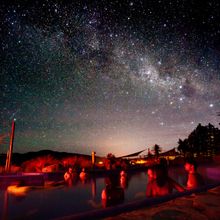
- The Milky Way at sunset
- The Magellanic Clouds, our neighbouring dwarf galaxies
- Open clusters such as:
- The iconic Jewel Box and Gem cluster
- The beautiful Wishing Well – an open cluster where stars look like a net of light
- The fabulous hypergiant Eta Carinae – a dying star with dark lines crossing the nebula surrounding it
- The Magellanic Clouds
- The Pleiades (known here as Matariki)
Where are the best places for visitors to stargaze in New Zealand?
Venture away from the city lights and visit the Dark Sky reserves and sanctuaries for the best views.
- Dark Sky Reserves:
- The Aoraki Mackenzie – the world's largest Dark Sky Reserve
- Wairarapa - New Zealand's newest Dark Sky Reserve
- Dark Sky Sanctuaries
- Great Barrier Island (Aotea)
- Stewart Island (Rakiura)
- Wai-Iti Dark Sky Park
What are the best after dark experiences for visitors in New Zealand?
There are several stargazing tours offering visitors the opportunity to observe the spectacular southern night sky. Here are some of the most unforgettable stargazing experiences:
- Canoe and camp under the stars with Owhango Adventures
- Sleep under the stars in luxurious PurePods
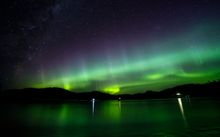
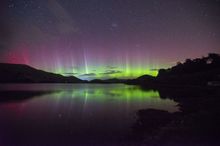
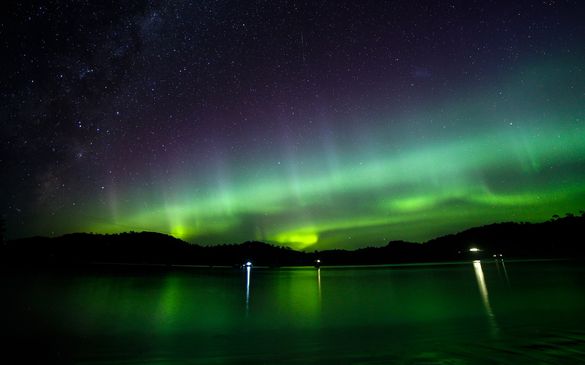
- Marvel at the Aurora Australis with a Southern Lights by Flights tour
- Wonder at the sparkling sky on a Great Walk – any of the nine Great Walks are sure to offer incredible starry vistas, whether you embark on the Rakiura Track on Stewart Island, or the Abel Tasman Track in Nelson/Tasman.
- Experience Doubtful Sound by overnight cruise with RealNZ
- Book an overnight experience aboard a luxury boat with Abel Tasman Sailing Adventures
Astrophotography tips from Astronomy Educator and Astrophotographer Josh Aoraki
1. Learn the basics of your camera
The most important tip for astrophotography is understanding the camera and gear you have and the settings it needs to capture the beauty at night.
- Use a DSLR camera or a smartphone with nighttime capabilities
- Have a tripod on hand for long exposure shots which will require your camera to have the lens open for 20 seconds at minimum.
- Start snapping away – trial and error is the best way to figure out the ideal settings for night photography. Resources such as tutorials and articles will help but there's nothing like getting out there and giving it a go!
2. Understand the night sky and what you want to photograph
Knowing exactly what you want to photograph is important – our skies vary throughout the year and no two nights are the same.
- The winter skies are best to capture the Milky Way galaxy as it rises directly over New Zealand, meaning more stars to see.
- The summer skies are perfect for shots of some classic constellations like Orion, which are a favourite for astrophotographers.
- Understanding where certain stars rise and set will help you compose your images
3. Use apps to find the best skies
-
Star apps can help you understand the sky and plan photos. They give you the ability to view the sky at a certain date and time. Most are free, our favourites are Sky Guide, StarWalk, and Star Chart.