 14 Jun 2021

If you've somehow missed the memo (memo, NOT Nemo; we found him, remember?), newsflash: the Great Barrier Reef is precious with a capital 'P'.
As the world's third-largest heritage-listed area, it was the very first reef to be awarded that honour in 1981-which brings us to another important 'P' word: protected. Over 99% of the Great Barrier Reef World Heritage Area is protected as part of the Great Barrier Reef Marine Park Authority (GBRMPA), and approximately half of the islands also fall under National Park status.
A precious resource can never be too protected and there are plenty of organisations and certifiers, both in Australia and globally, that have the reef's back when it comes to conservation. Not to mention the plethora of passionate people, businesses and operators living and working throughout all five of the Great Barrier Reef's precincts (aka Queensland's lucky country), preserving this stunning natural wonder and acting as custodians to minimise human impact.
We know it can all be a tad overwhelming, this whole eco-warrior bit, so here are 10 of the best sustainable and eco-friendly experiences on the Great Barrier Reef to keep the reef kickin' it boss-style long after you've had your fun with it.
Cairns and Port Douglas: Thala Beach Nature Reserve
Wind back the clock to 1970 and the site in which Thala Beach Nature Reserve sits today looked very different to what it does now. When Rob and Oonagh Prettejohn purchased the 145-acre peninsula property 50 years ago the land had only 45 acres of original native forest with most of the land cleared and left as degraded sugar cane plantation.
Fast forward almost 30 years, and after decades of hard work planting thousands of indigenous plants to regenerate and rehabilitate the area, the property began to return to its healthy natural state as the main lodge opened to guests. Bordered by the Coral Sea on one side, and World Heritage-listed forest on the other, all of Thala's bungalows are built out of natural sustainable materials in a low impact style that does not impact on the natural surroundings but rather compliments the landscape.
Through the pioneering efforts of Rob and Oonagh to re-establish the native forests on the land that was once cleared and devastated by extractive farming, wildlife populations have experienced significant growth and returned to the coastal habitat. Now approximately 120 butterfly species and almost 200 bird species have been spotted at Thala, up from the 49 species that Rob and Oonagh counted when they first arrived. On-site rangers also estimate that there are at least 50 agile wallabies inhabiting the forest, among a variety of other native Australian wildlife. By working with local producers and the Kuku Yalanji indigenous people, Thala has created an all-encompassing experience for guests to develop an in-depth understanding of the importance of this land and regeneration initiatives to the surrounding community and wider ecosystem.
Thala's passion and commitment towards suitability and native regeneration is still as strong as ever with the resort holding an Advanced Ecotourism Certification, membership with National Geographic's Unique Lodges of the World and achieving Green Travel Leader status with Ecotourism Australia, among many other credentials. Today, Thala Beach Nature Reserve stands as an industry leader in conservation, regeneration and sustainable practice. http://www.thalabeach.com.au
Cairns and Port Douglas: Quicksilver Group
The Quicksilver Group has been championing reef protection and sustainability since day one. The reef cruise operator, with reef experiences based in Cairns and Port Douglas, also manages the totally self-sufficient Green Island Resort, and have implemented a raft of environmental and conservation initiatives including the abolishment of single-use plastics, powering one-quarter of all Green Island's usage by solar energy and turning food waste into organic fertiliser.
In an industry first, the company partnered with Oz Harvest in 2018 to pilot the first food rescue program in the region, leading the way in food waste reduction and supporting those in need. The program sees leftover quality food from the day tours donated straight to Cairns charities, thereby reducing the amount of perfectly good food going to landfill and giving back to the local community.
In the water, the Quicksilver Group has pioneered many initiatives for the protection and conservation of the Great Barrier Reef. A team of Quicksilver divers are specifically trained in the management and eradication of the harmful Crown of Thorns Starfish and conduct extensive reef health monitoring programs. Quicksilver Group also work collaboratively with scientific partners and have three separate coral research and nurturing programs underway, each using different techniques, at three key reef sites – Quicksilver Cruises Agincourt Reef 3, Great Adventures Moore Reef and Great Adventures Green Island.
The business even has its very own Reef Biosearch environmental division, employing a large team of professional university-qualified marine biologists, with their logbooks of environmental data stretching back to 1986! http://www.quicksilver-cruises.com
Cairns and Port Douglas: Passions of Paradise
Passion by name, passion by nature. Over the three decades, since he first started taking tours out to the Great Barrier Reef, Passions of Paradise Managing Director and Founder Alan Wallish has witnessed the reef grow and change, alongside his own passion and involvement in helping to protect the World-Heritage listed wonder.
Not only does Passions of Paradise take curious and eco-minded travellers to some of the best reef sites off Cairns, Mr Wallish and his team also work together with scientists to help plant and grow fragments of coral on the reef as part of the Coral Nurturing Program – having now planted over 20,000 coral fragments as part of the project.
Further cementing their commitment to reef sustainability, Passions of Paradise work hard to offset carbon emissions by planting trees in the World Heritage Wet Tropics Rainforest, help researchers monitor the reef's health by conducting surveys as part of the Eye on the Reef program and donate a percentage of proceeds from each dive certification towards Project AWARE for marine conservation. Talk about passion! https://passions.com.au/
Townsville: Museum of Underwater Art
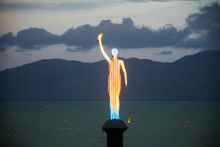
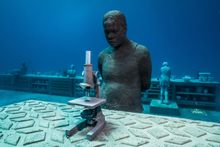
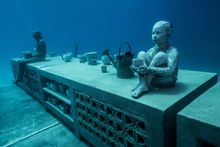
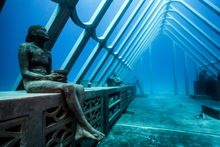
In August 2020 we witness the opening of Australia's first underwater museum – the Museum of Underwater Art. Located on the Great Barrier Reef off the coast of Townsville, the Museum of Underwater Art (MOUA) is a series of installations that offer a platform to share stories of art, science, Reef conservation and First Nations culture.
The first installation on John Brewer Reef, known as the Coral Greenhouse, is the go-to site for snorkelers and divers with an interest in reef conservation and a thirst for inspiration. Using neutral marine-grade cement the installation will see thousands of coral grow on and around the sculptures over the next few years, while also attracting other marine life to the underwater garden, creating a vibrant showcase of the reef's diverse ecosystem.
Keep an eye on the MOUA website for any upcoming citizen science programs that may be released where you can get involved and be hands-on in future-proofing the reef through coral planting initiatives at the Coral Greenhouse site. https://www.moua.com.au/
Whitsundays and Mackay: Cruise Whitsundays
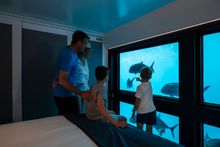
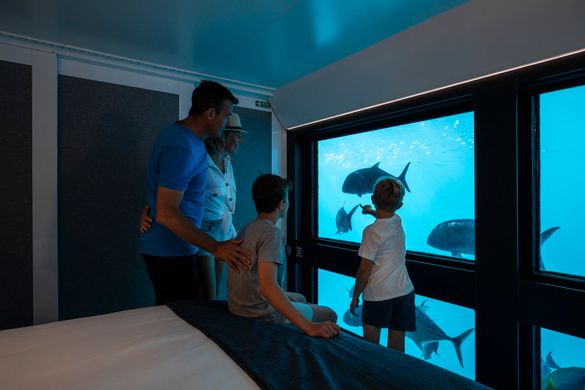
Whether it's a pleasant jaunt over to one of the Whitsundays idyllic islands, a day tour out to Whitehaven Beach or the Outer Reef, or a night sleeping at Australia's first underwater accommodation Reef Suites when you travel with Cruise Whitsundays your cruising with a team dedicated to preserving the future of the Great Barrier Reef.
With both a full-time Master Reef Guide and Marine Biologist based at the reef, Cruise Whitsundays is not only passionate about educating visitors about reef protection, but they actively conduct reef surveys as part of the 'Eye on the Reef' and 'Reef Blitz' programs to help monitor and futureproof the reef for generations to come.
As a partner with local not for profit organisation Eco Barge Clean Seas, the Cruise Whitsundays team help raise awareness of the Whitsunday Marine Debris Removal Program and Whitsunday Turtle Rescue Centre. Plus, they have also implemented Drupella and Crown of Thorns Starfish Control Programs at the Reefworld site to prevent outbreaks that could damage the reef. As you can see these guys are anything but cruisy when it comes to reef conservation. https://cruisewhitsundays.com/
Whitsundays and Mackay: Eco Barge Clean Seas
One day as Eco Barge Clean Seas Founder Libby Edge walked along a remote beach in her backyard of the Whitsundays she was confronted with what should have been absolute paradise, that was instead littered with harmful marine debris threatening the region's precious marine life. It was at that moment that Libby knew something had to change and so with the use of an 8.2-meter barge and an army of like-minded souls Eco Barge Clean Seas was born.
This not-for-profit environmental guardian works with the community through its volunteer program to help remove marine debris from the pristine waters of Mackay, Airlie Beach and The Whitsunday Islands, protecting the precious underwater ecosystem and all the animals that call it home.
Since 2009, Eco Barge's members and volunteers have so far removed an enormous 207,000 kilograms of marine debris from the Whitsunday Islands and beyond – ultimately saving the lives of thousands of marine animals. When you step into Eco HQ not only will you discover a group of dedicated volunteers sorting plastic and marine debris, but you will also find a turtle rehabilitation centre where Libby and her team work tirelessly to care for injured and sick turtles before returning them to the ocean.
You can get involved by becoming a hands-on volunteer or support the effort through sponsoring or donating to the cause. http://ecobargecleanseas.org.au
Southern Great Barrier Reef: Lady Elliot Island Eco Resort
Lady Elliot Island Eco Resort has been on #teamGBRforever for over 15 years (under the stewardship of owner, Peter Gash) and is still leading the way in remote island resort sustainability and eco-tourism.
As a result of mining, all the way back in the 1800s the island was left a degraded landscape, but many generations have worked tirelessly to regenerate the land and that work still continues today. In 2018, Lady Elliot Island became the first 'climate change ark' of the Great Barrier Reef Foundation's Reef Islands Initiative which sees Lady Elliot Island, local businesses, Government and the indigenous community band together to fast track the restoration of the island to its native and natural state. To date, eight hectares of land has been revegetated and 6,000 coral cay native trees, shrubs, vines, groundcovers and grasses have been planted across the island with further work to be undertaken.
Being a remote location, the resort has implemented a special desalination and wastewater treatment system, and in order to generate its own electricity, a large hybrid power station helps reduce the resort's reliance on diesel generators thanks to solar power.
Lady Elliot was the first Great Barrier Reef island to eliminate single-use plastic water bottles way back in 2012 and have since removed all plastic straws from the resort bar and café. Not to mention, the team was instrumental in pushing for both a 'Green Zone' and 'No Anchor Zone' around the island to assist with increasing and maintaining the marine biodiversity that the island is renowned for. Lady Elliot Island is also a partner with the University of Queensland's Project Manta, an initiative to help monitor and investigate the manta ray population along the coast. http://www.ladyelliot.com.au
Southern Great Barrier Reef: Lady Musgrave Experience
Have a direct impact on helping protect the reef when you become a 'marine biologist for a day' with Lady Musgrave Experience. Head out to the Southern Great Barrier Reef to learn all the diverse ecosystem that is the Great Barrier Reef from a real marine biologist before getting hands-on in the water collecting crucial data for the Great Barrier Reef Marine Park Authority which helps guide their reef protection and management work.
In a further commitment to reducing waste and keeping rubbish away from the Great Barrier Reef, Lady Musgrave Experience ensures all cutlery and plates onboard are reusable, including the local catering supply packaging that delivers fresh food to the boat. Onboard you won't find a single straw or plastic cup and guests are all provided with refillable cups to top up their beverages throughout the day. https://ladymusgraveexperience.com.au/