 27 Sep 2022
Tags: Blenheim Palace, Autumn, Autumn colours, Days Out, family travel, leaf peeping

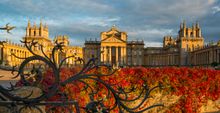
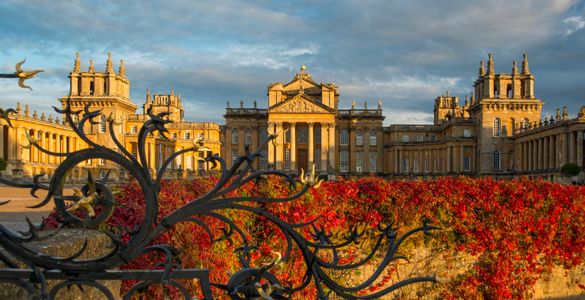
Autumnal colours make Blenheim Palace a must-see destination for nature lovers this season.
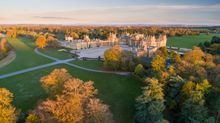
The Oxfordshire UNESCO World Heritage Site is famed for its dazzling natural displays of yellow, orange and ochre leaves across the 2,000 acres of 'Capability' Brown landscaped Parkland.
Visitors can enjoy the natural splendour of the 'finest view in England' in all its autumnal glory and discover a landscape that is full of historical importance.
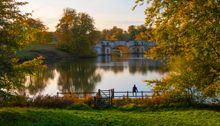
The grounds surround the baroque Palace, the Vanbrugh-designed Grand Bridge over the equally beautiful Great Lake and the unusual Cedar of Lebanon tree, recognisable to fans of Harry Potter and the Order of the Phoenix.
Amongst the autumnal tones, there is a wealth of relics to discover whilst visitors explore the Parkland including the unmissable Column of Victory and Rosamund's Well as well as the site of the ancient Woodstock Palace.
Green fingered visitors to Blenheim Palace with a love of forestry, nature and history can find rare and ancient tree varieties including the copper beech roundels originally planted by Lancelot 'Capability' Brown over two centuries ago.
The leaves on the copper beech roundels change dramatically from a dark purple in the summertime to a striking gold come autumn, contrasting against the neighbouring dark green evergreens in the landscape.
Spot the rare Caucasian Wingnut Tree which has recently produced its most spectacular floral display in living memory. Native from northern Iran to Ukraine the tree was introduced to Britain in the 1780's. Fossil records found in Turkey date the tree species back more than 2.5 million years.
As well as new tree planting schemes to help carbon offset the estate's environmental impact Blenheim Palace is also home to the largest collection of ancient oak trees in Europe - dating back to pre-medieval times. Visitors can marvel at the one of the most dominant landscape features of the parkland as the leaves of the oaks turn a brilliant golden yellow. As these leaves fall to the ground, they reveal tree trunk and bark with all its character.
Visitors should also look out for the yellow hues across the Parkland at this time of year. Leaves of the field maple tree found widely across the Parkland become a sunny coloured gold. Also turning yellow are the pine needles of larch trees found throughout the Parkland, these trees are the only deciduous conifers native to central Europe.
With leaves underfoot there are a number of walking trails visitors can use to explore the estate and look up to marvel at the coloured canopies.
Step inside the Palace and experience the warmth of the cardinal colours and guilt gold frames in the Red Drawing Room before reaching the Long Library and the cozy academia surrounded by leather-bound books.
- For more information and to book tickets online visit blenheimpalace.com