 10 May 2017
Tags: Budj Bim, Victoria, #Victoria, Australia, Indigenous, Indigenous tourism, grampians, Grampians National Park, National Parks, Parks Victoria

The Grampians National Park, known as Gariwerd to the local Aboriginal people, is home to more than 120 ancient Aboriginal rock art sites, with more being re-discovered every year. This is one of the highest concentrations of rock art in eastern Australia with some dating back to 22,000 years ago.
Parks Victoria Area Chief Ranger, David Roberts says Gariwerd is a rich cultural landscape that is significant to descendants of the Jardwadjali and Djab Wurrung people, who maintain a strong connection to this land.
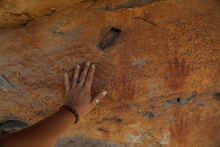
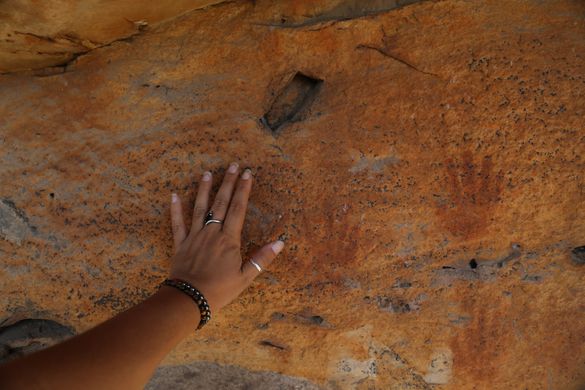
Rock art sites throughout the Grampians National Park feature many different motifs that were drawn using red and white ochre, including emu and kangaroo footprints, human figures, hand stencils and prints.
Although more than 120 rock art places have been recorded within the Grampians National Park, an unknown number remain hidden. Sites are often rediscovered by Traditional Owners, rock-climbers, bushwalkers and local residents who then inform Parks Victoria rangers.
Following the bushfires in the Grampians National Park in 2013 and 2014, ten rock art places were rediscovered after being exposed by the fires.
Parks Victoria works closely with representatives of Jardwadjali and Djab Wurrung Aboriginal peoples, the Office of Aboriginal Affairs Victoria (OAAV) and rock art conservation specialists to help protect and conserve the rock art.
There are five rock art sites open to the public, Bunjils, Gulgurn Manja, Ngamadjidj, Billimina and Manja. For further information on these sites or the unique aboriginal culture of Gariwerd, visitors can call into Brambuk the National Park and Cultural Centre in Halls Gap.
For more information on Victoria's spectacular parks call Parks Victoria on 13 1963 or visit www.parks.vic.gov.au