12 Nov 2020

With a growing reputation as one of the world's great food destinations, no visit to Lisbon is complete without sampling the local cuisine. From traditional delicacies and regional wines to exciting new food districts, the flavours of Lisbon are not to be missed. So, whether it's sampling the morning's catch at a seafood restaurant, soaking up the atmosphere in some of the destination's coolest neighbourhoods, fine dining in one of the acclaimed Michelin star restaurants, exploring the picturesque vineyards or enjoying traditional eats during local celebrations, Lisbon is the perfect place for foodie exploration in 2021.
Here, the Lisbon Tourist Association gives its tips on how best to enjoy the region's cuisine for those looking ahead to their next gastronomic adventure...
The new face of Lisbon's cuisine
Those wanting to explore Lisbon's newest and hippest eateries should head to the waterfront Cais do Sodré district, home to the giant Mercado da Ribeira. Along with the traditional produce market is a vast selection of food stalls and pop-ups from some of Lisbon's leading restaurants offering innovative street-food style cuisine. Around the corner is Rua Nova do Carvalho (known as “Pink Street”), formerly the city's red light district and now a lively nightlife area packed with trendy bars and up-and-coming restaurants.
For a more bohemian vibe, Bairro Alto comes alive by night with locals and visitors alike heading to this hilly neighbourhood to drink and dine in hip bars and restaurants. Another must-visit area is Alcântara, home to the LX Factory, a renovated factory building converted into shops and restaurants and, sitting beneath the breathtaking 25 de Abril Bridge, the Docas de Santo Amaro. This marina is filled with popular bars and restaurants converted from old warehouses and with outdoor terraces overlooking the waterfront.
… and the traditional favourites
It's said there's a recipe for bacalhau (salted cod) for every day of the year, and Portugal's national dish is a highlight of menus across the city. Lisbon's newest attraction, The Interpretive Centre of the History of Cod which opened in August 2020, is a tribute to this symbol of Portuguese gastronomy and visitors can follow the story of bacalhau from the fishermen who left their families for the icy seas off Newfoundland and Greenland in the 15th century to the latest ways of cooking it. For those wanting to create a taste of Lisbon at home, the centre's online 'Codfish Encyclopedia' is packed with traditional recipes and handy cooking tips: www.historiabacalhau.pt/en/codfish-encyclopedia
Salted cod may be king, but grilled sardines are a Lisbon icon, particularly during the city's festivities. Traditionally served with bread, the most popular time to try this dish is during the Santos Populares (Popular Saints) festivals in June, when the streets are filled with their delicious aroma as impromptu BBQs sell grilled sardines to locals and tourists alike to enjoy alongside live music and dance performances.
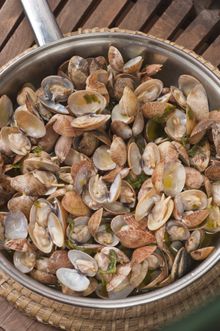
Another regional speciality is fried cuttlefish served with a squeeze of zingy lemon. The charming fishing town of Arrábida in Setúbal, south of the city, is famed for its delicious seafood with the morning catch served fresh each day in local eateries along the coast, the perfect accompaniment to a day on the beach or exploring the nearby Arrábida National Park, said to be one of the most beautiful places in Lisbon!
It's hard to beat a freshly baked pastel de nata. Served warm and dusted with cinnamon it's a Lisbon classic, but there are plenty more treats to try for those with a sweet tooth. Based on a simple recipe of eggs and sugar, convent sweets were developed in the convents of the 15th century and include several popular variations including Nozes de Cascais, made with Port and decorated with walnuts, and Toucinho do Céu de Odivelas, made with ground almonds. Other delicious local pastries include the pillow-shaped Travesseiros de Sintra and lemon and cinnamon-flavoured Torta de Azeitão.
From the grape to the glass ...
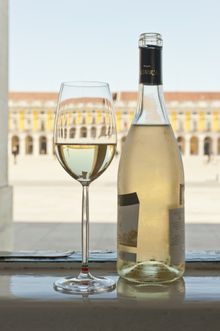
Lisbon is fast becoming one of Portugal's most exciting wine regions producing new blends of traditional grape varieties that impress even the most discerning of connoisseurs. From the sweet Setúbal muscatel to the smooth reds of Palmela and the light and fruity whites of Bucelas, no trip to Lisbon is complete without trying a glass or two. Enthusiasts wanting to learn more about the local production can take a wine tour through many of the capital's picturesque vineyards. Another local taste is Ginjinha, a sweet liqueur made of bitter cherries and, for the true Lisbon experience, best enjoyed in one of the tiny, neighbourhood Ginjinha bars.
For more information on Lisbon's gastronomy, visit: www.visitlisboa.com/en/p/lisbon-flavours
-Ends-
About Turismo de Lisboa
Turismo de Lisboa is a non-profit organisation established through an alliance of public and private bodies operating in the tourist sector. It has around 930 associated members. Since its inception in 1998, the main objective of the association is to improve and increase the promotion of Lisbon as a tourist destination and therefore enhance the quality and competitiveness of the city.
For media information and images, please contact:
Rebecca Pasha
020 3375 4054
Laura Boo
020 3375 4056