 15 May 2014

Eco-tourism and Big 5 wildlife safaris are big business in Africa but it's the people rather than the animals that define the quality of tourists' experience of the continent's unspoilt places and abundant wildlife.
With their deep knowledge of the bush and passion for wildlife conservation, game rangers are the key to unlocking memorable experiences and nurturing a love and understanding for the natural environment.
“This is not just a job – it's what you live and breathe 24/7. It's not something you do if you're not passionate about it,” says Kelly Pote, 27, head ranger at Lalibela, a Big 5 game reserve in the Eastern Cape, South Africa.
Fellow ranger Jason van Loggerenberg echoes her words: “This is a lifestyle, not a job. Lalibela is home – when we go away on our monthly break, coming back to work is like coming home.”
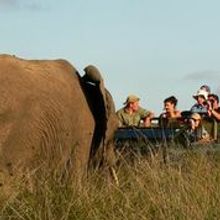
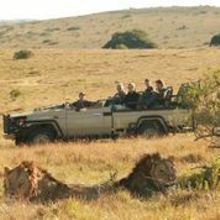
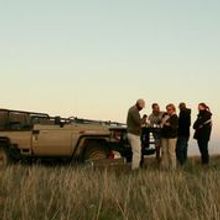
These rangers do far more than chauffeur tourists through the bush looking for lions and elephants. Their qualifications, accredited by the Field Guides Association of Southern Africa (FGASA), involve intense theory and practical examinations, and all say that they never stop studying and learning more.
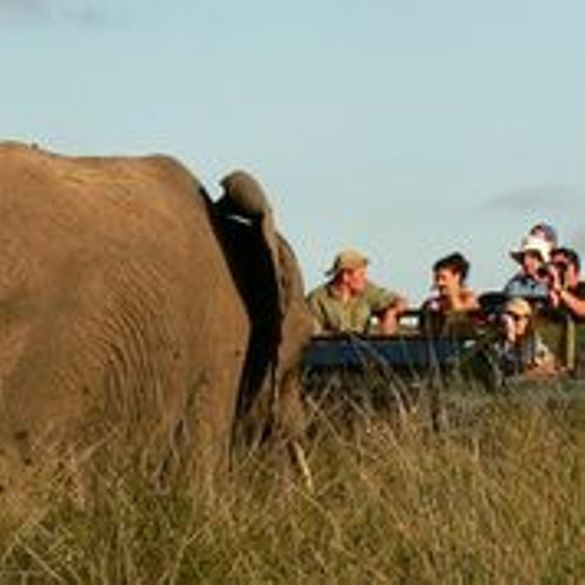
In constant radio contact for Big 5 and other large game sightings, they're able to adapt when the big animals aren't around and share their knowledge of plants, birds, insects and smaller game with adults and children alike.
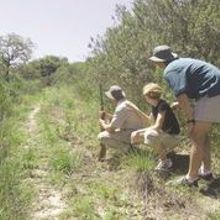
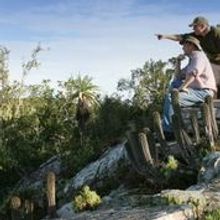
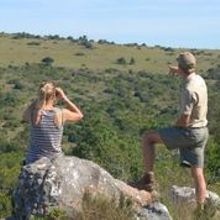
“The rangers know the bush and the terrain so well, they can always find something interesting to see and talk about, and they can adapt to guests' interests, whether it be birding or the local geology,” says Pote.
Her team of eight hand-picked game rangers are hired as much for their knowledge and accredited qualifications as for their character, attitude and people skills, she said. “We have to be able to fight fires – literally, because fire is always a risk in the bush, and figuratively in the sense of dealing with difficult people and situations, so inter-personal skills are vital.
“We don't hire “jeep jockeys” - our rangers do much more than guide guests on game drives. They're deeply knowledgeable about the environment and all aspects of what we do, and they're passionate about conservation. That shines through, and it inspires the guests to want to learn more about the wild and to care about conservation as much as we do,” she said.
With Lalibela offering a dedicated children's safari programme, the rangers' ability to engage youngsters is something that keeps happy families coming back.
“The fact that people want to come to Lalibela again and again is a huge compliment for us, and requests to have the same ranger for their return visit are testimony to the quality of our people,” says Lalibela co-owner Vernon Wait.
Like the American family on a round-the-world trip who spent a week at Lalibela recently and returned a week later for another week because, said dad Jason Powell, “we couldn't leave South Africa without another visit to Lalibela and, hopefully this time, a buffalo sighting to complete the Big 5 experience”.
“Jason (Van Loggerenberg) was just great as our ranger. He engaged with the kids, found interesting things for all of us to see and when we said one morning that we'd really love to see giraffe – there they were in the driveway as we left the lodge, as though he'd ordered them up especially!”
Like the many comments in the Lalibela guest book note, the family particularly enjoyed the reserve's communal dining experience, part of its “relaxed informality” approach which enables guests from around the world and the rangers to interact, talk about the day's sightings, learn more about the environment, and share travelling information.
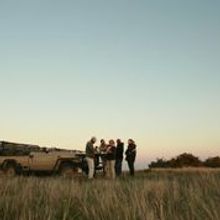
What many guests don't realise is that the rangers' jobs go far beyond the early-morning and late-afternoon game drives. While the guests relax and enjoy the views, the rangers are out inspecting and mending fences, game counting, checking up on ill or injured animals, and patrolling for poachers.
Wildlife management is a key part of the job, says Pote. “We constantly do game counts, trying to maintain a balance between predators and prey, watching for breeding patterns and in the large game, controlling genetics by moving animals out and bringing in fresh blood when needed.”
Van Loggerenberg, 23, said volunteering to help out with these activities was an ideal introduction to game ranging as a career, and what had helped him to make the decision to leave behind traffic and a desk job for a life in the bush.
It's a life where you learn constantly on the job, he says, and learn every day as much from the animals as from the guests.
More about Lalibela Game Reserve:
Lalibela is a Big 5 game reserve on the Eastern Cape coast of South Africa, 90km east of Port Elizabeth, the nearest airport. In addition to the Big 5 (lion, rhino, elephant, leopard & buffalo), the 7 500 ha (about 18 500 acres) reserve is home to other predators such as cheetah, hyena, jackal and lynx, as well as numerous plains animals including giraffe, zebra, warthog, impala, wildebeest, blesbok and various other antelope species. Overlooking indigenous bush and watering holes, accommodation is in a luxury tented camp and cosy safari lodges. The reserve is known for its relaxed informality and warm hospitality, with buffet meals enjoyed at communal tables or under the stars in an outside dining boma.
Blog: lalibelablog.wordpress.com
For all media questions please contact:
Gail Davis : webadmin@lalibela.co.za