 14 Feb 2014

25 years ago the whole world had their eyes on Berlin when the Wall came down on 9 November 1989. The anniversary is being celebrated this year and if you really want to uncover the story of the Peaceful Revolution, you need to cast your eyes further than the German capital and delve into the Cultural Heart of Germany.
Unlocking hidden treasures
The states of Saxony, Saxony-Anhalt and Thuringia, once hidden behind the Iron Wall, not only set things in motion for the reunification but also feature fascinating sights that remember the country's former division and are also a direct result of it. A former military zone in Thuringia is now a stunning National Park and Europe's largest unbroken area of mixed deciduous forest. Hainich National Park's canopy walk, a visitors' favourite, provides unique views across the 'roof' of the forest at a height of up to 44 metres. Another place where nature was allowed to take over and given free rein for over 30 years is the former no man's land along the inner German border: The so-called Green Belt with the longest stretches in Thuringia and Saxony-Anhalt is now a valuable habitat system, open to ramble and roam for visitors and taking in iconic attractions such as the Brocken mountain in the Harz.
Cold War memorials
As another testament to the Cold War, "Point Alpha", a former US Army observation post between Rasdorf in the federal state of Hesse, and Geisa, Thuringia, is now a modern-day memorial site featuring preserved and partially reconstructed border installations. The memorial's permanent exhibition about the ramifications of the Cold War for the region has been updated and is set to reopen in March 2014. Visitors can furthermore explore multimedia displays about the Peaceful Revolution which started in Leipzig with the so-called Monday demonstrations in September 1989.
Peaceful Revolution revisited
The peaceful protests culminated on 9 October 1989 when, after prayers for peace in St Nicholas Church, about 70,000 people gathered with candles in their hands to demonstrate for more freedom in the GDR. The demonstrations became an important milestone on the way to the fall of the Berlin Wall and reunification and are commemorated each year in Leipzig on 9 October with the Festival of Lights. This year, the event featuring large-scale projections and theatrical installations, will mark the start of a long weekend of celebrations in the Saxon city which is now hailed as the new Berlin with a vibrant cultural scene and edgy nightlife. Visitors also get fascinating insights in the history of the GDR with many authentic sites such as the Stasi Museum:
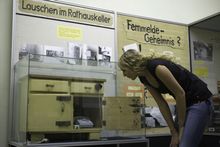
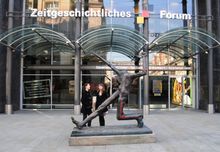
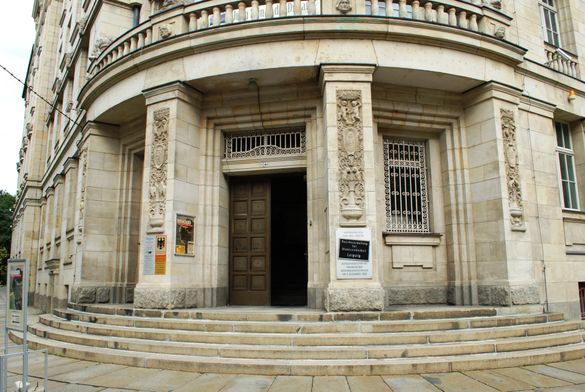
The "Museum in der Runden Ecke" is the only museum worldwide dedicated to the repressions of the GDR State Security Service and featuring the permanent exhibition "Stasi - Power and Banality", a real eye-opener providing information on the history, structure and methods of the GDR secret police. More on the history of division and unification, dictatorship and resistance can be found in The Forum of Contemporary History Leipzig and its interactive exhibition on the subject. As one of the main places of remembrance, Leipzig's St Nicholas Church features a light installation in its churchyard as well as a column symbolising the prayers for peace which stood at the heart of the Peaceful Revolution 25 years ago.
Further information:
Cultural Heart of Germany (Saxony, Saxony-Anhalt, Thuringia) online: www.culturalheart.info
Facebook: www.facebook.com/CulturalHeartofGermany
Twitter: www.twitter.com/CulturalGermany
Press contact:
B Connects. Barbara Geier Content Services
On behalf of Cultural Heart of Germany (Saxony, Saxony-Anhalt, Thuringia)
barbara@bconnects.net, phone 07983 242 195